Hey there! As a supplier of rubber cutting blades, I often get asked a bunch of questions about what these blades can and can't do. One question that pops up quite a bit is, "Can a rubber cutting blade be used for cutting rubber hoses?" Well, let's dive right into this topic and find out.
First off, let's understand what rubber cutting blades are. These blades are specially designed to cut through rubber materials. They come in different shapes, sizes, and materials, each tailored to specific cutting needs. For instance, some are made from high - carbon steel, which offers good durability and sharpness. Others might be made from tungsten carbide, which is super hard and can hold an edge for a long time.
Now, when it comes to rubber hoses, they're a bit different from regular rubber sheets or strips. Rubber hoses are usually tubular in shape and can have different wall thicknesses, depending on their intended use. Some hoses are thin - walled and flexible, while others are thick - walled and more rigid.
So, can a rubber cutting blade cut through rubber hoses? The short answer is yes, but it depends on a few factors.
Blade Type
The type of blade you use matters a lot. For thin - walled rubber hoses, a simple straight - edge blade might do the trick. These blades are easy to use and can make clean cuts through the soft rubber. However, for thick - walled hoses, you might need a more specialized blade.
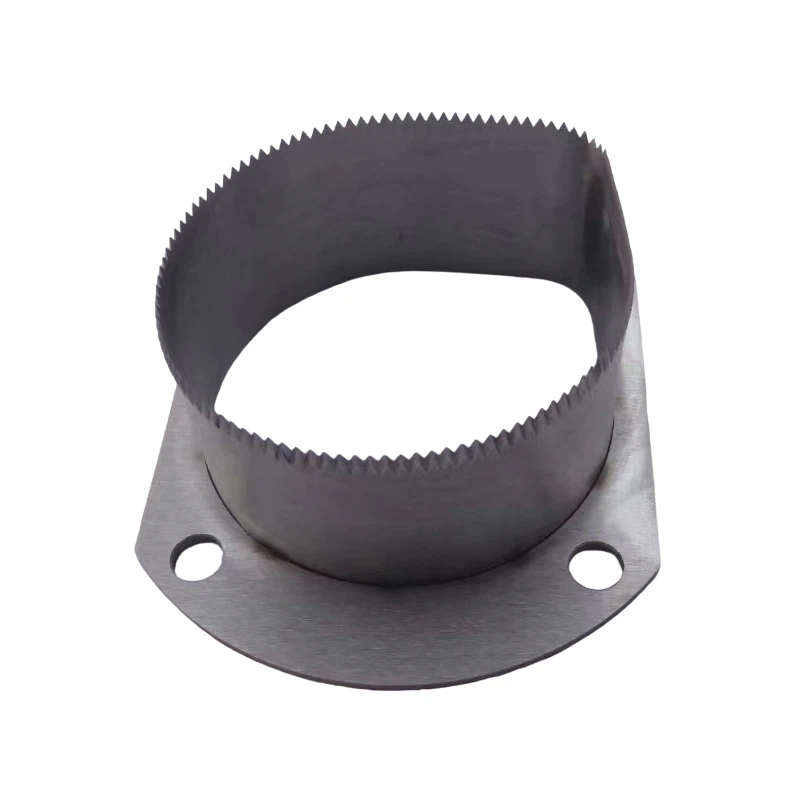
For example, Round Packaging Machinery Blade can be a great option. These blades are designed to handle tougher materials and can cut through thick rubber hoses with relative ease. They have a circular shape that allows for smooth and precise cuts, which is important when dealing with hoses that need to be cut to a specific length.
Another type of blade that can be useful is the Circular Slitter Blades. These blades are often used in industrial settings where high - volume cutting is required. They can cut through multiple layers of rubber at once, making them ideal for cutting long lengths of rubber hoses. If you're looking for a factory - made option, Circular Slitter Blades can offer you a reliable and cost - effective solution.


Hose Material
The material of the rubber hose also plays a crucial role. Different types of rubber have different properties. For example, natural rubber is softer and more flexible, while synthetic rubbers like neoprene or nitrile can be harder and more resistant to heat, oil, and chemicals.
A blade that works well for natural rubber hoses might not work as effectively for synthetic rubber hoses. Synthetic rubbers often require a blade with a higher level of hardness and sharpness. Tungsten carbide blades are a good choice for cutting synthetic rubber hoses because they can maintain their sharpness even when cutting through tough materials.
Cutting Method
The way you cut the hose is also important. If you're using a manual cutting method, you need to make sure you apply even pressure and use a smooth, continuous motion. This will help you get a clean cut without tearing or damaging the hose.
On the other hand, if you're using a machine to cut the hoses, you need to set the machine correctly. The speed, pressure, and blade alignment all need to be adjusted according to the type of hose and blade you're using. For example, if you're using a circular slitter blade in a machine, you need to make sure the blade is rotating at the right speed and that the hose is fed into the machine at a consistent rate.
Advantages of Using Rubber Cutting Blades for Hoses
There are several advantages to using rubber cutting blades for cutting rubber hoses.
- Precision: Rubber cutting blades can make very precise cuts, which is important when you need to cut hoses to a specific length or when you're working on a project that requires high - accuracy cuts.
- Clean Cuts: These blades can make clean cuts without leaving rough edges or frayed ends. This is important because rough edges can cause problems when connecting the hoses to other components.
- Efficiency: Using the right rubber cutting blade can save you time and effort. You can cut through hoses quickly and easily, especially if you're using a machine with a high - quality blade.
Disadvantages and Challenges
However, there are also some disadvantages and challenges to using rubber cutting blades for hoses.
- Blade Wear: Cutting rubber hoses can cause the blade to wear out quickly, especially if you're cutting through thick or tough rubber. You might need to replace the blade regularly to maintain its cutting performance.
- Safety Risks: Working with sharp blades always comes with some safety risks. You need to make sure you're using the blade correctly and following all safety precautions to avoid injuries.
- Cost: High - quality rubber cutting blades can be expensive, especially if you're using specialized blades like tungsten carbide blades. This can add to the overall cost of your project.
Tips for Using Rubber Cutting Blades on Hoses
If you decide to use a rubber cutting blade to cut rubber hoses, here are some tips to help you get the best results:
- Choose the Right Blade: As mentioned earlier, choose a blade that is suitable for the type of hose you're cutting. Consider the hose material, wall thickness, and the volume of cutting you need to do.
- Keep the Blade Sharp: Sharpen the blade regularly to maintain its cutting performance. A dull blade can cause rough cuts and might damage the hose.
- Use Safety Gear: Always wear safety goggles, gloves, and other appropriate safety gear when using the blade. This will help protect you from injuries.
- Test the Blade: Before cutting a large number of hoses, test the blade on a small piece of hose to make sure it's working correctly and giving you the desired results.
In conclusion, a rubber cutting blade can definitely be used for cutting rubber hoses, but you need to choose the right blade, consider the hose material, and use the correct cutting method. If you're in the market for rubber cutting blades, we're here to help. We offer a wide range of high - quality blades that are suitable for cutting rubber hoses and other rubber materials. Whether you need a simple straight - edge blade or a specialized circular slitter blade, we've got you covered.
If you're interested in learning more about our products or want to discuss your specific cutting needs, don't hesitate to get in touch. We're always happy to have a chat and help you find the best solution for your project.
References
- "Rubber Technology Handbook" by Werner Hofmann
- "Industrial Cutting Tools: Selection and Application" by John Doe