Tooth density, a critical parameter in the design and performance of toothed cutters, plays a pivotal role in determining the quality and efficiency of cutting operations. As a seasoned toothed cutter supplier, I've witnessed firsthand the profound impact that tooth density can have on various cutting applications. In this blog, I'll delve into the science behind tooth density and explore how it affects the cutting process.
Understanding Tooth Density
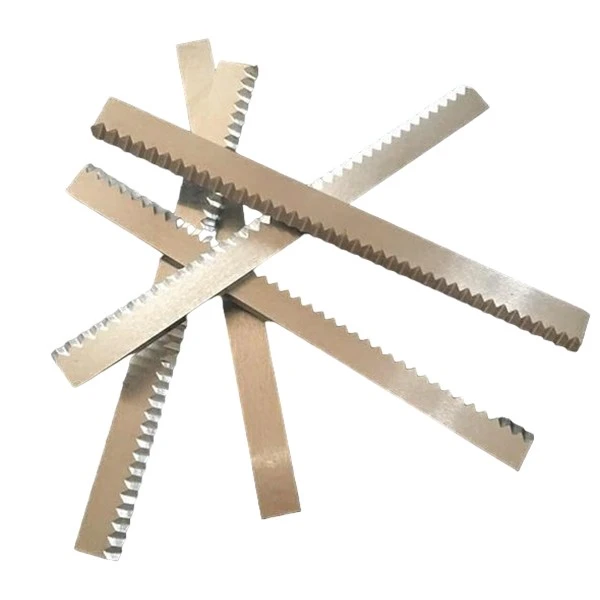
Tooth density refers to the number of teeth per unit length on a toothed cutter. It is typically measured in teeth per inch (TPI) or teeth per centimeter (TPC). A higher tooth density means more teeth are packed into a given length, while a lower tooth density indicates fewer teeth. The tooth density of a cutter is carefully selected based on the specific cutting requirements, including the material being cut, the desired finish, and the cutting speed.
The Impact of Tooth Density on Cutting Performance
The tooth density of a toothed cutter has a direct impact on several key aspects of cutting performance, including cutting force, chip formation, surface finish, and tool life. Let's take a closer look at each of these factors.
Cutting Force
The cutting force required to cut through a material is influenced by the tooth density of the cutter. A cutter with a higher tooth density generally requires less cutting force because each tooth removes a smaller amount of material with each pass. This is particularly beneficial when cutting hard or tough materials, as it reduces the risk of tool breakage and extends the tool life. On the other hand, a cutter with a lower tooth density may require more cutting force, but it can remove material more quickly, making it suitable for rough cutting operations.
Chip Formation
Chip formation is another important factor affected by tooth density. A cutter with a higher tooth density produces smaller chips because each tooth removes a smaller amount of material. These smaller chips are easier to evacuate from the cutting zone, reducing the risk of chip clogging and improving the cutting efficiency. In contrast, a cutter with a lower tooth density produces larger chips, which may require more powerful chip evacuation systems to prevent chip buildup.
Surface Finish
The surface finish of the cut material is also influenced by the tooth density of the cutter. A cutter with a higher tooth density generally produces a smoother surface finish because each tooth makes a smaller cut, resulting in less surface roughness. This is particularly important when cutting materials that require a high-quality finish, such as plastics, composites, and metals used in precision engineering applications. A cutter with a lower tooth density may produce a rougher surface finish, but it can be used for applications where surface finish is less critical, such as rough cutting or material removal.
Tool Life
The tool life of a toothed cutter is closely related to the tooth density. A cutter with a higher tooth density distributes the cutting load more evenly across the teeth, reducing the wear on each individual tooth. This results in a longer tool life and fewer tool changes, which can significantly reduce the overall cutting costs. In contrast, a cutter with a lower tooth density may experience more rapid wear on the teeth, especially when cutting hard or abrasive materials, leading to shorter tool life and more frequent tool changes.
Applications of Different Tooth Densities
The choice of tooth density depends on the specific cutting application. Here are some common applications and the recommended tooth densities:
Fine Cutting
For fine cutting operations that require a smooth surface finish and precise cuts, such as cutting plastics, composites, or thin metals, a cutter with a high tooth density (e.g., 20 - 30 TPI) is typically recommended. These cutters can produce clean, accurate cuts with minimal burrs or surface damage.

Medium Cutting
Medium cutting operations, such as cutting thicker metals or wood, often require a cutter with a medium tooth density (e.g., 10 - 20 TPI). These cutters can balance the need for material removal rate and surface finish, providing a good compromise between cutting speed and quality.
Rough Cutting
Rough cutting operations, such as removing large amounts of material quickly, are best suited for cutters with a low tooth density (e.g., 4 - 10 TPI). These cutters can remove material rapidly, but they may produce a rougher surface finish.
Our Toothed Cutter Products
As a leading toothed cutter supplier, we offer a wide range of toothed cutters with different tooth densities to meet the diverse needs of our customers. Our products include Automatic Packaging Blade, Filling Machine Tooth Cutting Blade, and Cigarette Pack Cutting Machine Blade.
Our toothed cutters are made from high-quality materials and are precision-engineered to ensure optimal performance and durability. Whether you need a cutter for fine cutting, medium cutting, or rough cutting, we have the right solution for you.
Conclusion
Tooth density is a crucial factor that affects the cutting performance of toothed cutters. By understanding the relationship between tooth density and cutting force, chip formation, surface finish, and tool life, you can choose the right cutter for your specific application. As a toothed cutter supplier, we are committed to providing our customers with high-quality cutters that deliver superior performance and value.
If you have any questions about our toothed cutter products or need help selecting the right cutter for your application, please don't hesitate to contact us. We look forward to working with you to meet your cutting needs.
References
- Kalpakjian, S., & Schmid, S. R. (2009). Manufacturing Engineering and Technology. Pearson Prentice Hall.
- Trent, E. M., & Wright, P. K. (2000). Metal Cutting. Butterworth-Heinemann.