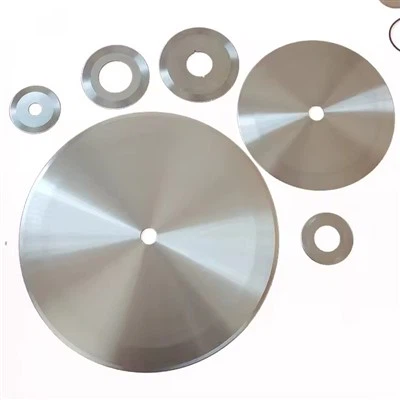
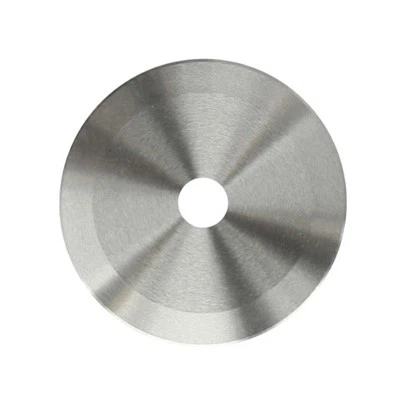
Hey there! As a supplier of sealing machine blades, I know how crucial it is to keep your blades in top - notch condition. One of the key aspects of maintaining these blades is checking their alignment. A misaligned blade can lead to a whole bunch of problems, from poor sealing quality to increased wear and tear on your machine. So, let's dive into how you can check the alignment of a sealing machine blade.
Why Blade Alignment Matters
Before we get into the how - to, let's quickly talk about why blade alignment is so important. When your sealing machine blade is properly aligned, it cuts through the packaging material cleanly and evenly. This ensures a tight seal, which is essential for keeping your products fresh and protected. On the other hand, a misaligned blade might leave jagged edges, weak seals, or even fail to cut through the material at all. Over time, this can lead to product spoilage, customer complaints, and a hit to your bottom line.
Tools You'll Need
To check the alignment of your sealing machine blade, you don't need a whole bunch of fancy equipment. Here's what you'll need:
- A straightedge: This could be a metal ruler or a precision straight bar. It'll help you determine if the blade is straight.
- A feeler gauge: This tool is used to measure small gaps. You'll use it to check the clearance between the blade and other components of the machine.
- A flashlight: Sometimes, it can be hard to see the blade clearly, especially in tight spaces. A flashlight will help you get a better view.
Step - by - Step Guide to Checking Blade Alignment
Step 1: Power Off and Lockout
Safety first! Before you start checking the blade alignment, make sure the sealing machine is powered off and locked out. This will prevent any accidental starts that could cause serious injury.
Step 2: Inspect the Blade Visually
Use your flashlight to get a good look at the blade. Check for any obvious signs of damage, like chips or cracks. Also, look for any build - up of debris or residue on the blade. If you see any issues, it might be time to replace the blade. You can find a great selection of high - quality blades on our website, including Toothed Blade, V Type Packaging Machine Blades, and Packaging Machine Blade.
Step 3: Check the Blade for Straightness
Place the straightedge along the length of the blade. Look for any gaps between the straightedge and the blade. If there are significant gaps, it means the blade is not straight and might need to be realigned or replaced.
Step 4: Check the Blade Clearance
Use the feeler gauge to measure the clearance between the blade and the cutting surface or other components of the machine. Refer to your machine's manual for the recommended clearance values. If the clearance is too large or too small, it can affect the cutting performance of the blade.
Step 5: Check the Blade Mounting
Make sure the blade is properly mounted on the machine. Check the bolts or clamps that hold the blade in place. They should be tightened to the correct torque specification. Loose mounting can cause the blade to shift out of alignment during operation.
Step 6: Check the Blade's Movement
If your sealing machine has a moving blade, carefully observe its movement. The blade should move smoothly and evenly. If you notice any jerking or uneven movement, it could be a sign of misalignment or other mechanical issues.
Common Alignment Problems and Solutions
Problem 1: Uneven Cutting
If you're getting uneven cuts, it could be due to a misaligned blade. Check the blade for straightness and clearance as described above. You might also need to adjust the blade's position on the machine.
Problem 2: Blunt Cuts
Blunt cuts can be caused by a dull blade or improper alignment. If the blade is dull, replace it with a new one. If the alignment is off, follow the steps in this guide to realign the blade.


Problem 3: Excessive Blade Wear
Excessive wear on the blade can be a sign of misalignment. When the blade is not properly aligned, it can put extra stress on certain parts of the blade, causing it to wear out faster. Make sure the blade is correctly aligned and that the cutting surface is smooth and free of debris.
Regular Maintenance is Key
Checking the blade alignment should be part of your regular maintenance routine. By doing so, you can catch alignment issues early and prevent more serious problems down the road. In addition to checking the alignment, make sure to clean the blade regularly and lubricate any moving parts as recommended by the machine's manufacturer.
Conclusion
Checking the alignment of a sealing machine blade is not as complicated as it might seem. By following the steps in this guide and using the right tools, you can ensure that your blade is properly aligned and performing at its best. Remember, a well - aligned blade means better sealing quality, longer blade life, and less downtime for your machine.
If you have any questions about blade alignment or if you're in the market for new sealing machine blades, don't hesitate to reach out. We're here to help you find the perfect solution for your packaging needs.
References
- Manufacturer's manuals for sealing machines
- Industry best practices for blade maintenance and alignment