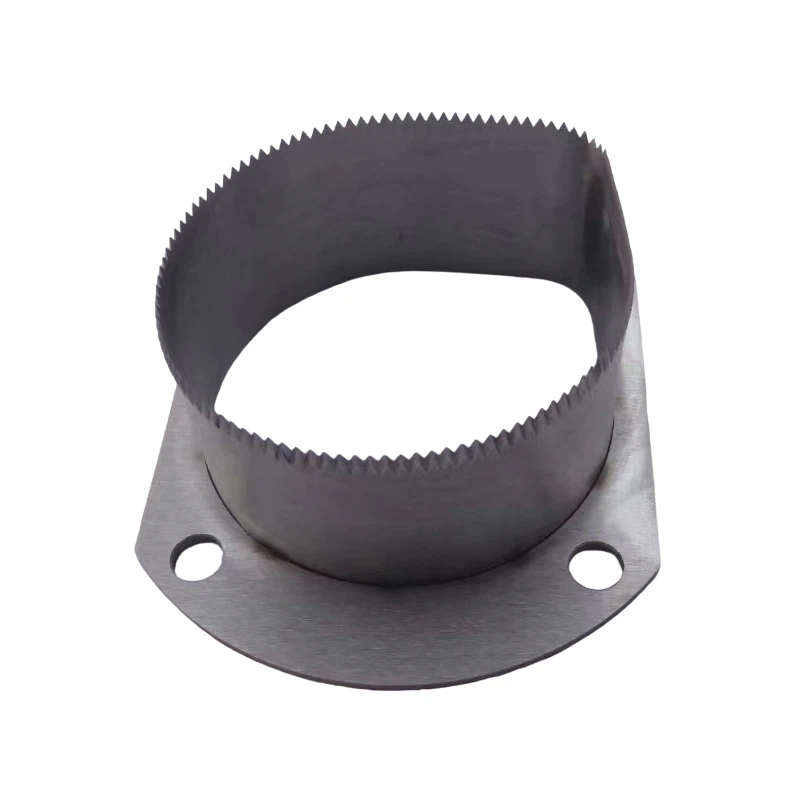
As a supplier of PE film slitting blades, I know how crucial it is to keep these blades clean. A clean blade not only ensures a smooth slitting process but also extends the blade's lifespan. In this blog post, I'll share some practical tips on how to clean a PE film slitting blade effectively.
Why Cleaning Your PE Film Slitting Blade Matters
Before we dive into the cleaning process, let's talk about why it's so important. Over time, PE film residue, dust, and other debris can accumulate on the blade. This buildup can cause several problems. First, it can affect the blade's cutting performance. The blade may not cut through the film as smoothly, leading to uneven cuts or even tearing. Second, the debris can cause the blade to wear out faster. The extra friction from the buildup can damage the blade's edge, reducing its sharpness and lifespan. Finally, a dirty blade can contaminate the PE film. If the debris on the blade transfers to the film, it can affect the film's quality and appearance.
Tools You'll Need
To clean your PE film slitting blade, you'll need a few basic tools:
- Soft brush: A soft-bristled brush, such as a paintbrush or a toothbrush, is ideal for removing loose debris from the blade.
- Cleaning solution: You can use a mild detergent or a specialized blade cleaner. Avoid using abrasive cleaners or solvents that can damage the blade.
- Lint-free cloth: A lint-free cloth, such as a microfiber cloth, is perfect for wiping the blade clean.
- Safety gloves: It's important to wear safety gloves to protect your hands from the sharp blade.
Step-by-Step Cleaning Process
Now that you have your tools ready, let's go through the cleaning process step by step.
Step 1: Disconnect the Blade
Before you start cleaning the blade, make sure to disconnect it from the slitting machine. This will prevent any accidents and make it easier to clean the blade thoroughly.
Step 2: Remove Loose Debris
Use a soft brush to gently remove any loose debris from the blade. Start at the tip of the blade and work your way towards the base. Be careful not to apply too much pressure, as this can damage the blade's edge.
Step 3: Soak the Blade
Fill a container with your cleaning solution and submerge the blade in it. Make sure the blade is completely covered by the solution. Let the blade soak for about 15-20 minutes. This will help loosen any stubborn debris.
Step 4: Scrub the Blade
After soaking, use the soft brush to scrub the blade gently. Pay special attention to the areas where debris has accumulated. You may need to apply a little more pressure to remove stubborn stains, but be careful not to scratch the blade.
Step 5: Rinse the Blade
Once you've scrubbed the blade, rinse it thoroughly with clean water. Make sure to remove all traces of the cleaning solution. You can use a hose or a sink to rinse the blade.
Step 6: Dry the Blade
Use a lint-free cloth to dry the blade completely. Make sure to dry both sides of the blade, as well as the edges. You can also use compressed air to dry the blade if you have it available.
Step 7: Inspect the Blade
Once the blade is dry, inspect it carefully for any remaining debris or damage. If you notice any stubborn stains or damage, you may need to repeat the cleaning process or replace the blade.


Additional Tips
- Clean the blade regularly: To keep your blade in good condition, it's important to clean it regularly. How often you clean the blade will depend on how often you use it and the type of PE film you're slitting. As a general rule, you should clean the blade after every 10-15 hours of use.
- Store the blade properly: When you're not using the blade, make sure to store it properly. Keep it in a dry, clean place, and avoid exposing it to moisture or chemicals. You can use a blade case or a storage box to protect the blade.
- Sharpen the blade when needed: Even with regular cleaning, your blade will eventually need to be sharpened. How often you need to sharpen the blade will depend on how often you use it and the type of PE film you're slitting. As a general rule, you should sharpen the blade after every 50-100 hours of use.
Related Products
If you're looking for high-quality cutting blades, we also offer a wide range of Woodworking Forming Blades, Laminating Machine Blade, and Semiconductor Punching Blade. These blades are made from high-quality materials and are designed to provide excellent cutting performance and durability.
Conclusion
Cleaning your PE film slitting blade is an important part of maintaining its performance and longevity. By following the steps outlined in this blog post and using the right tools and cleaning solutions, you can keep your blade clean and in good condition. If you have any questions or need further advice on cleaning your PE film slitting blade, please don't hesitate to contact us. We're here to help you get the most out of your cutting blades. Whether you're a small business or a large manufacturer, we can provide you with the high-quality blades you need at a competitive price. So, if you're in the market for new PE film slitting blades or other cutting tools, feel free to reach out and start a discussion about your specific requirements.
References
- "Cutting Tool Maintenance Guide" - Industrial Machinery Handbook
- "Best Practices for Blade Cleaning" - Cutting Technology Journal