Hey there! I'm a supplier of alloy cutting tools, and I've seen my fair share of damaged tools over the years. It's a real bummer when a great tool gets messed up, not only because it costs money to replace but also because it can slow down your work. So, I thought I'd share some tips on how to handle alloy cutting tools to avoid damage.
Storage is Key
First things first, let's talk about storage. You wouldn't leave your expensive shoes out in the rain, right? Well, the same goes for your alloy cutting tools. Storing them properly is crucial to keeping them in good shape.
- Keep Them Dry: Alloy cutting tools are prone to rust, especially if they're made of certain metals. Make sure you store your tools in a dry place. A toolbox with a moisture - absorbing packet can be a great idea. If you're in a humid area, consider using a dehumidifier in your storage space.
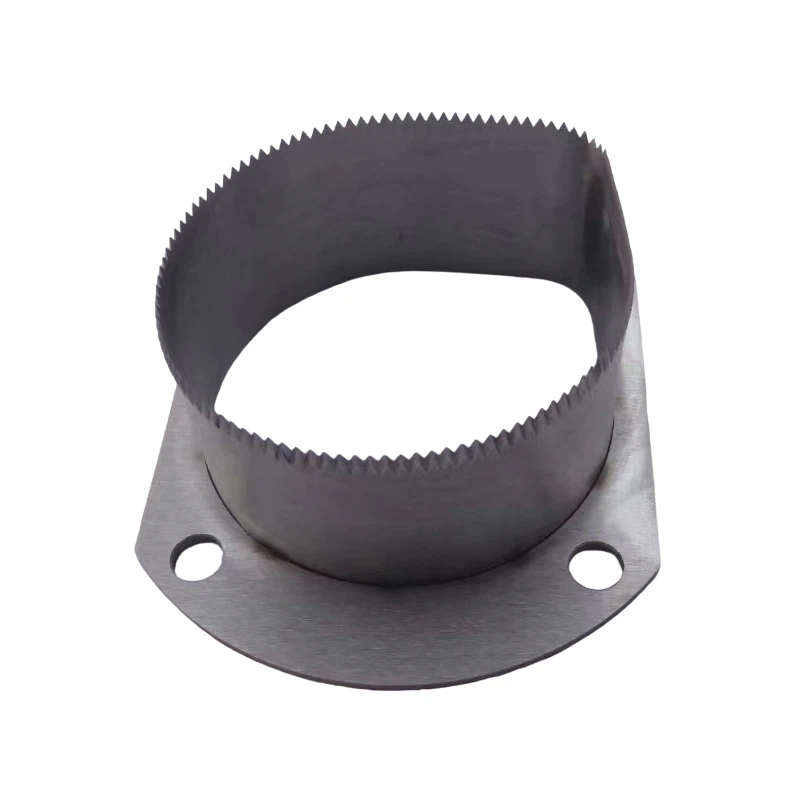
- Separate and Organize: Don't just throw all your tools into a big jumbled mess. When tools bang against each other, they can get nicks and scratches. Use a tool rack or individual compartments in a toolbox to keep them separated. For example, if you have Easy - tear Cutting Blade, store it in a way that its sharp edge doesn't come into contact with other tools.
Handling During Use
How you use your alloy cutting tools also plays a huge role in preventing damage.
- Use the Right Tool for the Job: This might seem obvious, but you'd be surprised how many people try to use a small blade for a big job or vice versa. Each tool is designed for specific tasks. For instance, a Harvester Blade is made for harvesting crops. Using it to cut through metal will not only damage the blade but also won't give you a good result.
- Don't Over - Force: Alloy cutting tools are strong, but they're not indestructible. If you're trying to cut something and it's not going smoothly, don't just start pushing harder. Instead, check if the tool is sharp enough or if there's something blocking the cut. Over - forcing can cause the blade to chip or break.
- Keep It Clean: During use, chips and debris can build up on the tool. This can affect its performance and also cause damage over time. Use a brush or compressed air to clean the tool regularly. If the tool gets dirty with oil or other substances, clean it with an appropriate solvent.
Sharpening and Maintenance
Proper sharpening and maintenance are essential for the longevity of your alloy cutting tools.
- Sharpen Regularly: A dull tool is more likely to get damaged because it has to work harder to cut. But be careful when sharpening. Use the right sharpening equipment and follow the manufacturer's instructions. If you're not sure how to sharpen a particular tool, like Woodworking Forming Blades, you can always ask for professional help.
- Inspect for Damage: Before and after each use, take a quick look at your tool. Check for any signs of wear, chips, or cracks. If you notice any damage, stop using the tool immediately. Continuing to use a damaged tool can make the problem worse and also be dangerous.
Transporting the Tools
When you're moving your alloy cutting tools from one place to another, you need to take extra care.
- Use Protective Cases: If you're transporting your tools in a vehicle or on a job site, put them in a protective case. This will prevent them from getting banged around during transit. You can find cases specifically designed for different types of cutting tools.
- Secure Them Properly: If you're transporting tools in a truck or van, make sure they're secured so they don't slide around. You can use straps or Velcro to keep them in place.
Training Your Team
If you have a team of workers using your alloy cutting tools, proper training is a must.


- Educate on Best Practices: Teach your team about the right way to handle, store, and maintain the tools. Make sure they understand the importance of using the tools correctly to avoid damage.
- Provide Refresher Courses: Over time, people can forget the proper procedures. So, it's a good idea to provide refresher courses every once in a while to keep everyone on top of their game.
Conclusion
Taking good care of your alloy cutting tools is not that hard, but it does require some attention. By following these tips on storage, handling during use, sharpening, transporting, and training your team, you can significantly reduce the chances of tool damage.
If you're in the market for high - quality alloy cutting tools or have any questions about tool care, I'd love to hear from you. Feel free to reach out for a chat about your specific needs and how we can help you get the most out of your cutting tools.
References
- "Tool Maintenance Handbook" - A comprehensive guide on the maintenance of various cutting tools.
- Manufacturer's manuals for different alloy cutting tools.