Hey there! As a harvester blade supplier, I've seen firsthand how quickly these blades can start to rust if not properly cared for. Rust isn't just an eyesore; it can seriously impact the performance and lifespan of your harvester blades. In this blog, I'm gonna share some practical tips on how to prevent a harvester blade from rusting.
Understanding Why Rust Happens
Before we dive into prevention methods, it's important to know why rust occurs in the first place. Rust is basically the result of a chemical reaction between iron, oxygen, and water. Harvester blades are often made of steel, which contains iron. When they're exposed to moisture in the air or come into contact with water during use or cleaning, the iron in the steel starts to oxidize. This oxidation process forms iron oxide, which we know as rust.
The environment where the harvester operates also plays a big role. If you're working in a humid climate, near bodies of water, or in areas with high levels of pollutants, the blades are more likely to rust. Even small amounts of salt in the air, like in coastal regions, can speed up the rusting process.
Keep the Blades Clean
One of the simplest and most effective ways to prevent rust is to keep the harvester blades clean. After each use, make sure to remove any dirt, debris, and plant residues from the blades. These substances can trap moisture against the blade surface, creating an ideal environment for rust to form.

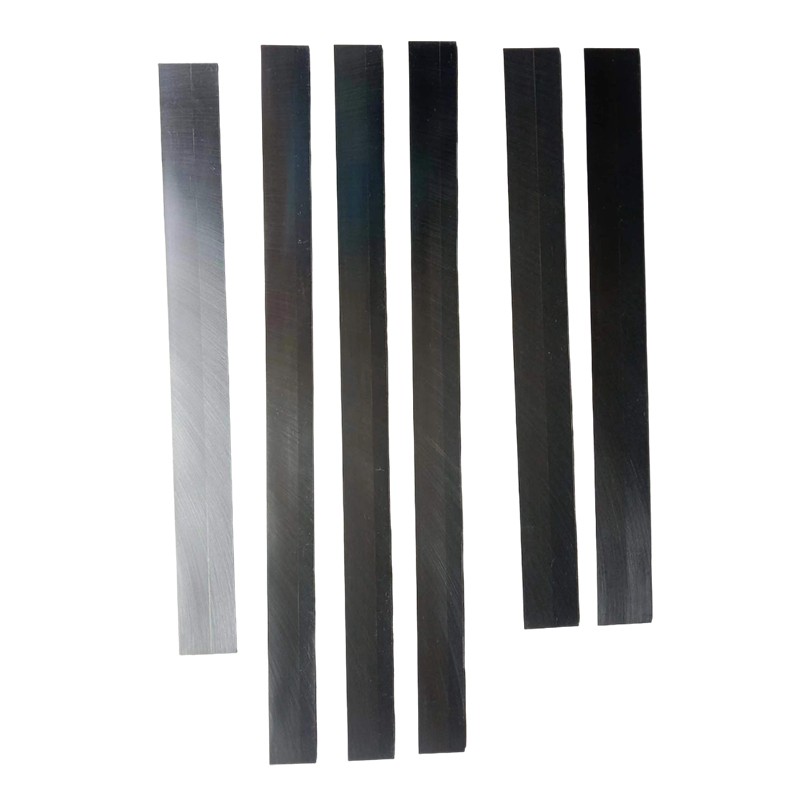
You can use a stiff brush to scrub the blades gently. If there's stubborn dirt or residue, you might need to soak the blades in a mild detergent solution for a short time. Just make sure to rinse them thoroughly with clean water afterward. Avoid using harsh chemicals or abrasive cleaners, as they can damage the blade's surface and actually make it more prone to rusting.
Dry the Blades Thoroughly
Once you've cleaned the blades, it's crucial to dry them completely. Even a small amount of moisture left on the blade can lead to rust. Use a clean, dry cloth to wipe the blades down, making sure to get into all the nooks and crannies. You can also let the blades air dry in a well - ventilated area. If possible, use a fan to speed up the drying process.
If you're in a hurry, you can use a heat gun on a low setting to dry the blades. Just be careful not to overheat the blades, as this can affect their hardness and performance.
Apply a Protective Coating
Applying a protective coating to the harvester blades can create a barrier between the steel and the elements, preventing rust from forming. There are several types of coatings you can use:
- Oil: A simple and cost - effective option is to apply a thin layer of oil to the blades. You can use machine oil, mineral oil, or even cooking oil. Just make sure to wipe off any excess oil to prevent it from attracting dirt. Apply the oil with a clean cloth or a brush, and make sure to cover the entire blade surface.
- Paint: For a more long - lasting protection, you can paint the blades. Use a high - quality paint that's suitable for metal surfaces. Make sure to clean and dry the blades thoroughly before painting, and apply the paint in thin, even coats. Let the paint dry completely before using the harvester.
- Anti - rust spray: There are many anti - rust sprays available on the market. These sprays are easy to apply and provide good protection against rust. Just follow the manufacturer's instructions when using them.
Store the Blades Properly
How you store the harvester blades when they're not in use can also have a big impact on rust prevention. Here are some tips for proper storage:
- Choose a dry location: Store the blades in a dry, cool place. Avoid storing them in areas with high humidity, like basements or sheds that are prone to moisture. If possible, use a dehumidifier in the storage area to keep the humidity levels low.
- Hang the blades: Hanging the blades can help prevent them from coming into contact with moisture on the ground or other surfaces. You can use hooks or a blade rack to hang the blades. Make sure they're hung in a way that they don't touch each other, as this can cause scratches that can lead to rust.
- Use a storage case: If you have a storage case for the harvester blades, use it. A good quality storage case can provide an extra layer of protection against dust, moisture, and physical damage.
Regular Maintenance and Inspection
Regular maintenance and inspection are key to preventing rust and ensuring the long - term performance of your harvester blades. Check the blades regularly for any signs of rust or damage. If you notice any rust spots, remove them immediately using a wire brush or sandpaper. Then, clean, dry, and re - apply a protective coating to the affected area.
Also, make sure to sharpen the blades regularly. Dull blades are more likely to accumulate dirt and debris, which can lead to rust. Sharpening the blades not only improves their performance but also helps keep them clean and rust - free.
Other Related Products
We also offer a range of other high - quality cutting tools, such as PE Film Slitting Blade, Woodworking Steel Planer Blade, and Medicine Bag Packaging Cutter. These products are made with the same attention to quality and durability as our harvester blades, and we use the latest manufacturing techniques to ensure they meet the highest standards.
Let's Connect
If you're in the market for harvester blades or any of our other cutting tools, I'd love to talk to you. We're committed to providing top - notch products and excellent customer service. Whether you have questions about rust prevention, product specifications, or pricing, don't hesitate to reach out. We can work together to find the best solutions for your needs.
References
- "The Chemistry of Rusting." ScienceDirect.
- "Preventing Rust on Metal Tools." Popular Mechanics.
- "Best Practices for Tool Storage and Maintenance." Tool Review Magazine.