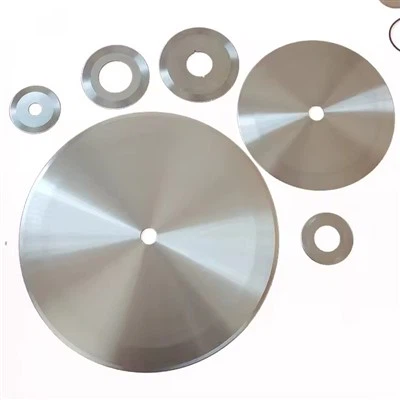
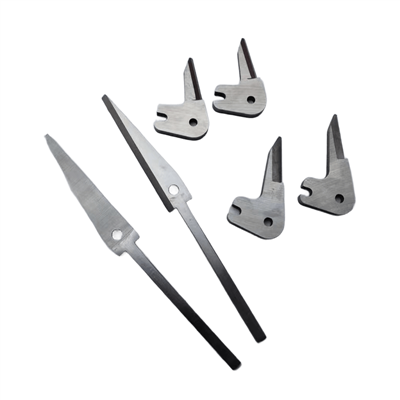
Hey there! As a packaging box knife mold supplier, I've been in the game for quite some time, and I know a thing or two about the different packaging methods for these essential tools. In this blog, I'm gonna share with you the various ways we package our packaging box knife molds to ensure they reach you in top - notch condition.
1. Protective Foam Packaging
One of the most common methods we use is protective foam packaging. Foam is a great material because it's lightweight, yet it provides excellent cushioning. We custom - cut the foam to fit the shape of the knife mold precisely. This way, the mold is held securely in place and protected from any bumps or jolts during transit.
The foam acts as a shock absorber. When the package is moved around, dropped accidentally, or even just jostled during transportation, the foam takes the brunt of the impact. It prevents the knife mold from hitting the sides of the outer box, which could lead to damage like chipping or bending of the blades.
For smaller knife molds, we might use a single piece of foam with a cut - out in the middle. The mold fits snugly into this cut - out, and then we place it in a cardboard box. For larger or more complex knife molds, we use multiple foam pieces that wrap around different parts of the mold, providing comprehensive protection. You can check out our Packaging Box Knife Mold on our website to see the kind of products we package this way.


2. Corrugated Cardboard Inserts
Corrugated cardboard is another fantastic option for packaging. We create custom - made corrugated inserts that are designed to hold the knife mold firmly. The corrugated structure of the cardboard adds an extra layer of strength and shock - resistance.
These inserts can be designed in different shapes and sizes depending on the knife mold. For example, if the mold has a long, narrow shape, we can create a corrugated insert with a long, rectangular slot for it to fit into. The cardboard not only protects the mold but also helps to keep it in an upright or stable position within the outer box.
We often combine corrugated cardboard inserts with other packaging materials. For instance, we might place the knife mold in a corrugated insert first and then surround it with some soft foam padding on the sides. This dual - layer protection ensures maximum safety for the knife mold during shipping. And if you're interested in other types of knife molds, like our Ice - clearing Blade. Ice - skating Blade, we use similar packaging principles to keep them safe.
3. Vacuum Sealing
Vacuum sealing is a more advanced packaging method that we use for certain types of knife molds. This method involves placing the knife mold in a special plastic bag and then removing all the air from the bag using a vacuum sealer.
The main advantage of vacuum sealing is that it protects the knife mold from moisture, dust, and oxidation. By removing the air, we eliminate the oxygen that can cause rusting on the metal parts of the knife mold. It also creates a tight, form - fitting seal around the mold, which helps to prevent any movement inside the package.
After vacuum sealing, we usually place the sealed bag in a cardboard box for additional protection. This method is especially useful for knife molds that are going to be stored for a long time or shipped to areas with high humidity. If you're looking for precision - made knife molds, our CNC Machining Die might be of interest, and we use appropriate packaging methods like vacuum sealing to ensure their quality.
4. Wooden Crates
For very large or heavy knife molds, wooden crates are the way to go. Wooden crates are extremely sturdy and can withstand a lot of pressure. We build custom - sized wooden crates that are specifically designed to fit the knife mold.
Inside the wooden crate, we use additional padding materials like foam or rubber to protect the knife mold. The wooden crate provides a strong outer shell that can protect the mold from external impacts, such as being bumped by other packages during shipping or handling.
Wooden crates also offer good ventilation, which can be important for preventing moisture buildup. This is especially crucial for knife molds that are made of metal and could be prone to rusting if exposed to moisture for too long.
5. Anti - Static Packaging
Some knife molds are sensitive to static electricity, especially those with electronic components or very fine metal parts. For these types of molds, we use anti - static packaging materials.
Anti - static bags are made of a special plastic material that prevents the buildup of static electricity. We place the knife mold inside the anti - static bag and then seal it. This protects the mold from any static discharges that could damage its components.
We might also use anti - static foam or other anti - static padding materials inside the outer box to provide additional protection. This ensures that the knife mold arrives at your doorstep in perfect working condition, free from any static - related damage.
Why Packaging Matters
You might be wondering why we put so much effort into packaging our knife molds. Well, the quality of the packaging directly affects the quality of the product when it reaches you. A poorly packaged knife mold can get damaged during shipping, which means you'll have to deal with returns, replacements, and delays in your production process.
By using the right packaging methods, we ensure that our knife molds arrive in the same condition as when they left our factory. This saves you time and money in the long run, and it also helps to build trust between us as a supplier and you as a customer.
Let's Connect!
If you're in the market for high - quality packaging box knife molds and are interested in learning more about our products or our packaging methods, don't hesitate to reach out. Whether you have questions about the packaging, the product specifications, or pricing, we're here to help. We're always open to discussions and negotiations to meet your specific needs. Just drop us a message, and we'll get back to you as soon as possible.
References
- Packaging Industry Handbook: A comprehensive guide on different packaging materials and their applications.
- Metalworking and Tooling Journal: Articles on the protection of metal tools during shipping and storage.