What is the lifespan of a tire trimming blade under normal use?


As a tire trimming blade supplier, I've encountered numerous inquiries from customers regarding the lifespan of these essential tools. Understanding the factors that influence the longevity of a tire trimming blade is crucial for both manufacturers and end - users. It not only helps in cost - management but also ensures consistent and high - quality tire production.
Factors Affecting the Lifespan of Tire Trimming Blades
1. Blade Material
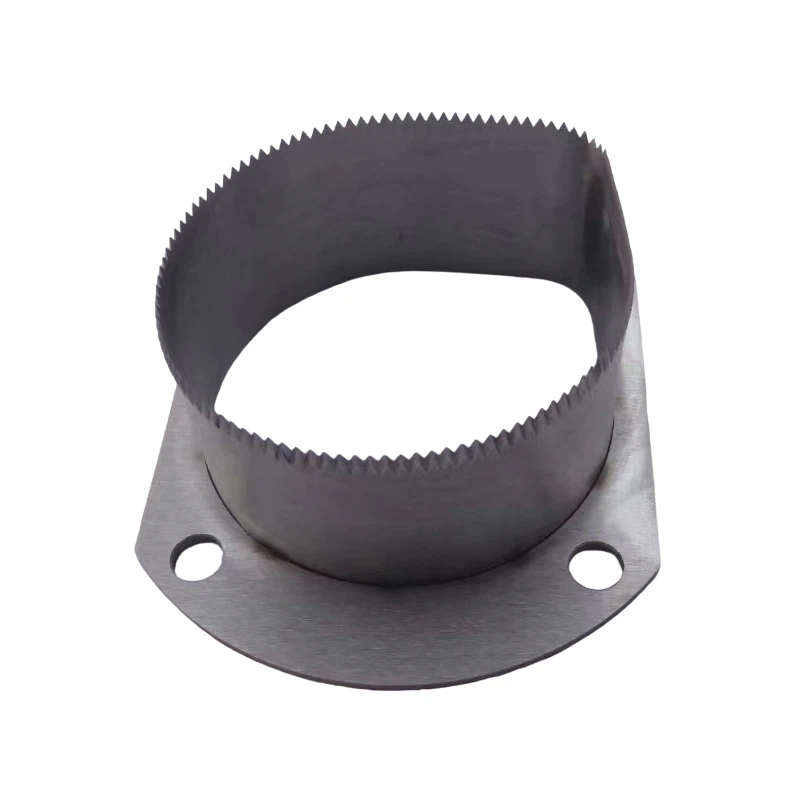
The material of the tire trimming blade is one of the most significant factors determining its lifespan. High - quality steel alloys, such as high - carbon steel or carbide - tipped steel, are commonly used in manufacturing these blades. High - carbon steel blades are known for their excellent hardness and wear resistance. They can withstand the abrasion caused by the rubber during the trimming process. Carbide - tipped blades, on the other hand, offer even greater durability. The carbide tips are extremely hard and can maintain their sharpness for a longer period. However, they are also more expensive. For instance, a high - carbon steel Tire Trimming Blade might last for a few thousand trimming cycles, while a carbide - tipped blade could potentially double or triple that lifespan under the same conditions.
2. Tire Composition
The type of rubber used in the tires also plays a vital role. Different tires are made from various rubber compounds, each with its own hardness and abrasiveness. Softer rubber compounds are generally easier to trim and cause less wear on the blade. In contrast, tires made from harder rubber or those with added fillers, such as silica or carbon black, can be more abrasive. These fillers act like tiny cutting agents, gradually wearing down the blade edge. For example, performance tires with a high - silica content are more likely to reduce the lifespan of a tire trimming blade compared to standard passenger car tires.
3. Trimming Conditions
The operating conditions during the trimming process can have a substantial impact on the blade's lifespan. Factors such as cutting speed, pressure, and the frequency of use all matter. If the cutting speed is too high, it can generate excessive heat, which may cause the blade to lose its hardness and become dull more quickly. Similarly, applying too much pressure during trimming can increase the stress on the blade, leading to premature wear or even breakage. Regular and continuous use without proper maintenance can also shorten the blade's lifespan. For example, if a tire trimming machine is running at full capacity for long hours every day without any breaks for blade inspection and maintenance, the blade will not last as long as it would under more controlled conditions.
4. Blade Design
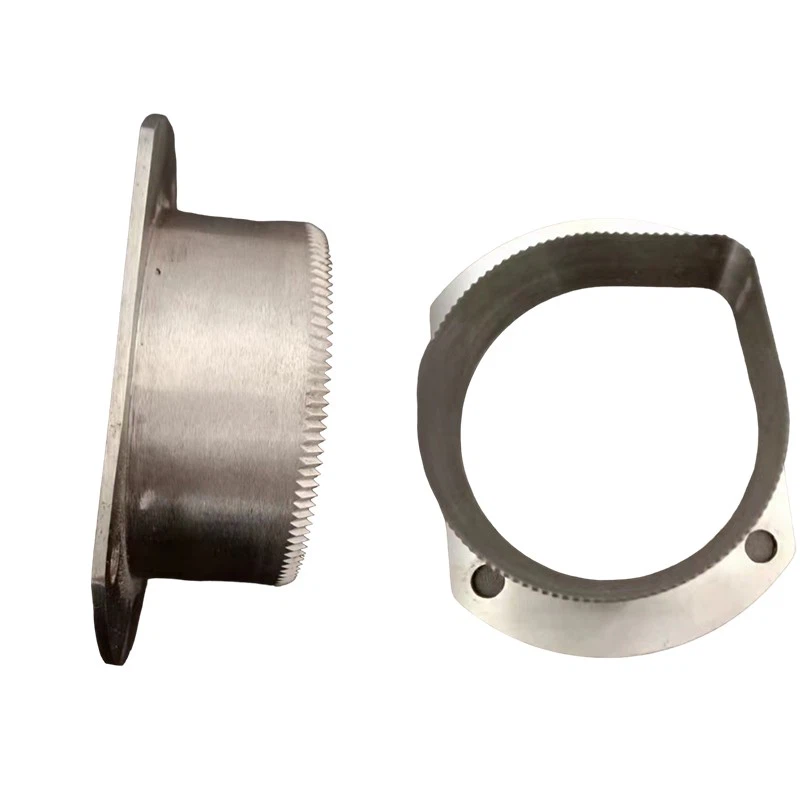
The design of the tire trimming blade is another important factor. Blades with a well - designed cutting edge geometry can perform more efficiently and last longer. For example, Straight Serrated Cutting Blade designs are often used in tire trimming. The serrations help to grip the rubber better and reduce the force required for cutting, which in turn reduces wear on the blade. Additionally, the overall shape and thickness of the blade can affect its durability. A blade that is too thin may be more prone to bending or breaking, while a blade that is too thick may not provide a precise cut and could cause more wear on the tire.
Estimating the Lifespan
It's challenging to provide an exact lifespan for a tire trimming blade because of the many variables involved. However, under normal use conditions, which we can define as trimming standard passenger car tires at a moderate cutting speed and pressure, and with regular maintenance, a high - quality high - carbon steel tire trimming blade can last anywhere from 5,000 to 10,000 trimming cycles. A carbide - tipped blade, under the same conditions, can last between 15,000 and 30,000 cycles.
Regular maintenance is key to achieving these estimated lifespans. This includes cleaning the blade after each use to remove any rubber residue, inspecting the blade for signs of wear or damage, and sharpening or replacing the blade when necessary. Sharpening the blade at the right time can significantly extend its useful life.
Comparison with Other Types of Blades
It's interesting to compare the lifespan of tire trimming blades with other types of blades, such as Packaging Machine Blade. Packaging machine blades are used to cut through materials like paper, cardboard, and plastic films. These materials are generally less abrasive than rubber, so packaging machine blades tend to have a longer lifespan under normal use. However, the operating conditions for packaging machines can also vary widely, and factors such as the type of packaging material, cutting speed, and pressure still affect the blade's longevity.
Importance of Choosing the Right Blade
Selecting the appropriate tire trimming blade is crucial for tire manufacturers. A blade with a longer lifespan can reduce the frequency of blade replacements, which in turn lowers production costs. It also ensures consistent quality in the trimming process, resulting in better - finished tires. Moreover, a well - performing blade can improve the efficiency of the tire trimming machine, reducing downtime for blade changes and maintenance.
Conclusion
In conclusion, the lifespan of a tire trimming blade under normal use depends on multiple factors, including blade material, tire composition, trimming conditions, and blade design. While it's difficult to give a precise number of cycles, understanding these factors can help tire manufacturers and users make informed decisions about blade selection and maintenance.
If you're in the market for high - quality tire trimming blades, we are here to assist you. Our team of experts can provide you with detailed information about our products and help you choose the right blade for your specific needs. Whether you're looking for a Tire Trimming Blade or a Straight Serrated Cutting Blade, we have a wide range of options to meet your requirements. Contact us today to start a procurement discussion and take your tire production to the next level.
References
- "Handbook of Rubber Technology" by Maurice Morton.
- "Cutting Tool Technology and Machining Operations" by Robert A. Liscano.