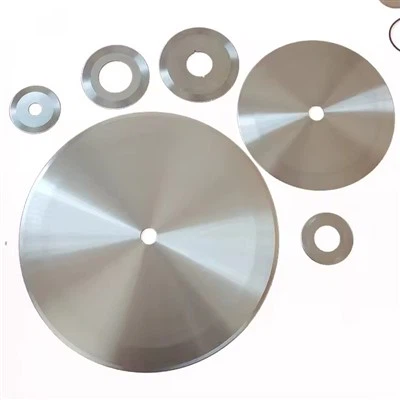
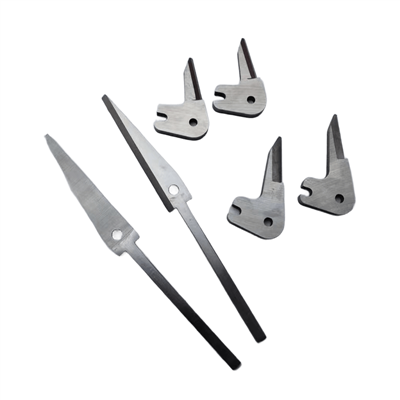
When it comes to slicing meat, the choice of food slicer blade can significantly impact the efficiency, quality, and safety of the process. As a food slicer blade supplier, I've had the privilege of working with a wide range of blades and understanding their unique characteristics. In this blog, I'll delve into the different types of food slicer blades available and help you determine which one is better for slicing meat.
Types of Food Slicer Blades
1. Straight Edge Blades
Straight edge blades are the most common type of blades used in meat slicing. They have a simple, straight cutting edge that provides a clean and precise cut. These blades are ideal for slicing uniform pieces of meat, such as steaks, roasts, and cold cuts.

One of the main advantages of straight edge blades is their versatility. They can be used on a variety of meat slicers, from manual to electric models. Additionally, they are relatively easy to sharpen, which helps maintain their cutting performance over time.
However, straight edge blades may not be the best choice for slicing tough or fibrous meats. The straight edge can sometimes struggle to cut through these types of meats, resulting in jagged edges or uneven slices.
2. Serrated Blades
Serrated blades have a series of small teeth along the cutting edge, which allows them to grip and cut through tough or fibrous meats more easily. These blades are commonly used for slicing bread, but they are also effective for slicing meats such as ham, bacon, and brisket.
The serrated design of these blades provides a sawing action, which helps to break through the meat's fibers and create a clean cut. This makes them particularly useful for slicing meats that are difficult to cut with a straight edge blade.
One of the drawbacks of serrated blades is that they can be more difficult to sharpen than straight edge blades. The small teeth require a specialized sharpening tool, and the process can be time-consuming. Additionally, serrated blades may not be as precise as straight edge blades, which can result in slightly uneven slices.
3. Easy - tear Cutting Blade
The Easy - tear Cutting Blade is a specialized blade designed to provide a clean and effortless cut through meat. These blades are typically made from high - quality alloys that offer excellent durability and sharpness.
The unique design of the Easy - tear Cutting Blade allows it to easily penetrate the meat, reducing the amount of force required to slice. This makes it a great choice for both professional butchers and home cooks who want to achieve consistent, high - quality slices.
These blades are often used in commercial meat slicing operations, where efficiency and precision are crucial. They can handle a variety of meat types, from tender steaks to tougher cuts, and are known for their ability to produce uniform slices with minimal tearing.
4. Harvester Blade
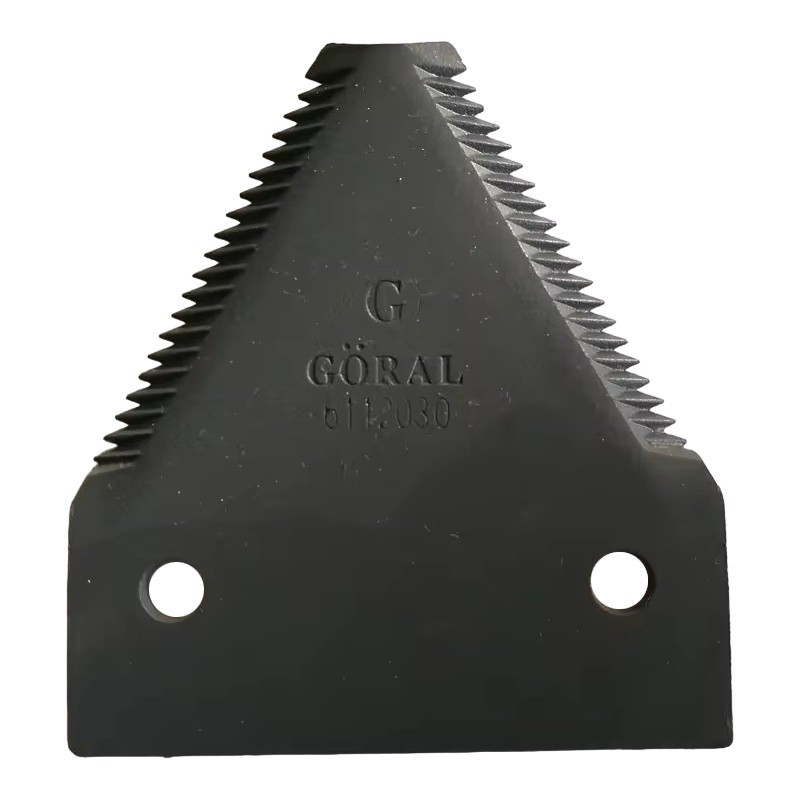
Harvester blades are another option for meat slicing. These blades are designed to be robust and long - lasting, making them suitable for heavy - duty use. They are often used in large - scale meat processing facilities.
The Harvester Blade is engineered to withstand the rigors of continuous slicing, and it can handle large volumes of meat without losing its cutting edge. These blades are typically made from high - carbon steel or other durable materials, which provide excellent resistance to wear and tear.
However, due to their heavy - duty nature, harvester blades may be overkill for small - scale or home use. They are also usually more expensive than other types of blades, which may be a consideration for some users.
Factors to Consider When Choosing a Blade for Slicing Meat
1. Type of Meat
The type of meat you plan to slice is one of the most important factors to consider when choosing a blade. For tender meats such as filet mignon or chicken breast, a straight edge blade or an Easy - tear Cutting Blade may be sufficient. These blades can provide a clean, precise cut without damaging the delicate meat fibers.
On the other hand, if you're slicing tough or fibrous meats like beef brisket or pork shoulder, a serrated blade or a harvester blade may be more appropriate. These blades can better handle the challenges posed by these types of meats and produce more consistent slices.
2. Slicing Frequency
If you only slice meat occasionally, a less expensive blade may be a good option. However, if you're a professional butcher or a home cook who slices meat frequently, investing in a high - quality blade is worth it. High - quality blades, such as the Easy - tear Cutting Blade or harvester blades, will last longer and maintain their sharpness better, which can save you money in the long run.
3. Slicing Thickness
The desired thickness of your meat slices can also influence your blade choice. Straight edge blades are generally better for slicing thin, uniform pieces of meat, while serrated blades may be more suitable for thicker slices. The Easy - tear Cutting Blade can handle a wide range of slicing thicknesses, making it a versatile option.
4. Safety
Safety is always a concern when working with sharp blades. Some blades, such as the straight edge blades, are generally easier to handle and less likely to cause accidents. However, it's important to follow proper safety procedures regardless of the blade type you choose. Make sure to use a sharp blade, as a dull blade can require more force to cut, increasing the risk of injury.
Conclusion
In conclusion, there is no one - size - fits - all answer to the question of which type of food slicer blade is better for slicing meat. Each type of blade has its own advantages and disadvantages, and the best choice depends on several factors, including the type of meat, slicing frequency, desired slicing thickness, and safety considerations.
If you're still unsure which blade is right for your needs, don't hesitate to reach out. As a food slicer blade supplier, I have the expertise and experience to help you make an informed decision. Whether you're a professional in the meat industry or a home cook looking to upgrade your slicing equipment, I can provide you with the right blade for your specific requirements. Contact me today to discuss your options and start getting the best results when slicing meat.
References
- "Meat Cutting Techniques and Tools" by Professional Butchers Association
- "The Science of Slicing: How Blades Work" in Food Processing Journal
- Manufacturer's specifications for various food slicer blades.