As a seasoned crusher blade supplier, I've encountered numerous inquiries regarding the suitability of crusher blades for wet materials. This topic is of significant interest to industries that deal with materials in various moisture conditions, such as woodworking, recycling, and food processing. In this blog, I'll delve into the technical aspects, advantages, and limitations of using crusher blades with wet materials to provide a comprehensive understanding.
Understanding Crusher Blades
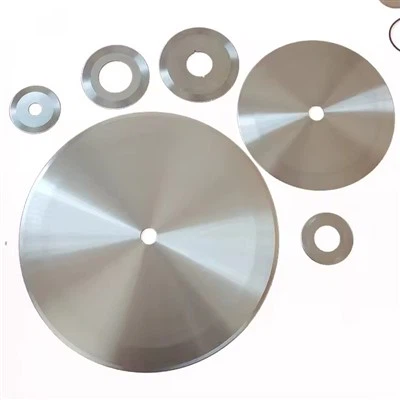
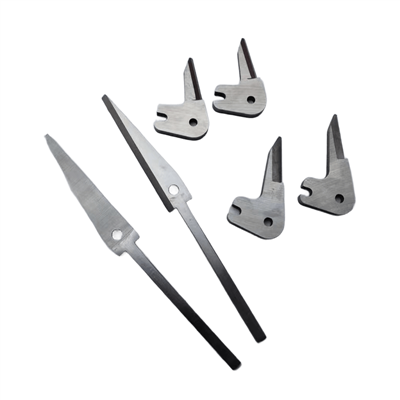
Crusher blades are designed to break down and shred materials into smaller pieces. They come in various shapes, sizes, and materials, tailored to specific applications. Common blade materials include high - carbon steel, carbide, and alloy steel, each with its own set of properties that affect performance.
In the woodworking industry, for example, Woodworking Forming Blades and Woodworking Steel Planer Blade are used to shape and cut wooden materials. These blades are engineered to withstand the forces generated during cutting and maintain a sharp edge for a long time. Similarly, Semiconductor Punching Blade is designed for precision punching in the semiconductor industry, where the requirements for blade accuracy and durability are extremely high.
Technical Considerations for Wet Materials
When it comes to wet materials, several technical factors need to be considered before determining the suitability of crusher blades:


Corrosion Resistance
Wet materials can accelerate the corrosion process of crusher blades. High - humidity environments or direct contact with water can cause oxidation on the blade surface, especially if the blade material is not corrosion - resistant. For example, blades made of ordinary carbon steel are more prone to rust when exposed to wet materials. Using corrosion - resistant alloys or applying anti - corrosion coatings can significantly improve the lifespan of the blades.
Blade Edge Integrity
The moisture in wet materials can affect the cutting performance of the blade edge. Wet materials tend to be more viscous, which means they may stick to the blade surface. This adhesion can cause uneven wear on the blade edge, leading to dulling and reduced cutting efficiency. Additionally, the extra force required to cut through wet and sticky materials can put more stress on the blade, potentially causing chipping or breakage.
Heat Dissipation
Cutting wet materials generates heat, just like cutting dry materials. However, the presence of water can act as a coolant to some extent. But if the water content is too low or the cutting speed is too high, the heat generated may not be dissipated effectively. Excessive heat can cause the blade material to soften, reducing its hardness and wear resistance.
Advantages of Using Crusher Blades for Wet Materials
Despite the challenges, there are several advantages to using crusher blades for wet materials:
Reduced Dust Generation
One of the significant benefits is the reduction of dust. When cutting dry materials, a large amount of dust is often generated, which can be a health hazard to workers and may also cause environmental pollution. Wet materials, on the other hand, produce less dust during the crushing process, making the working environment safer and more environmentally friendly.
Improved Cutting Performance in Some Cases
For certain types of wet materials, the moisture can actually make the material more malleable. This means that the crusher blades may require less force to cut through the material, resulting in smoother cutting and potentially less wear on the blades. For example, in the food processing industry, cutting wet fruits or vegetables with the right crusher blades can be more efficient than cutting dry ones.
Limitations and Challenges
However, there are also limitations and challenges associated with using crusher blades for wet materials:
Increased Maintenance Requirements
As mentioned earlier, wet materials can cause corrosion and uneven wear on the blades. This means that regular maintenance, such as cleaning, sharpening, and anti - corrosion treatment, is essential to keep the blades in good working condition. Failure to perform proper maintenance can lead to premature blade failure and increased operating costs.
Compatibility Issues
Not all crusher blades are suitable for wet materials. Some blade designs may be more prone to clogging when used with wet and sticky materials. For example, blades with narrow gaps between the teeth may get blocked easily, reducing the overall efficiency of the crushing process. It is crucial to select the right blade design and material based on the specific wet material and application.
Application - Specific Considerations
Let's look at some specific industries and how the suitability of crusher blades for wet materials varies:
Woodworking Industry
In woodworking, wet wood is sometimes used, especially in the production of certain types of furniture or wooden products. While the moisture in the wood can reduce dust, it also poses challenges to the blades. The high - moisture content can cause the wood to swell, making it more difficult to cut. Additionally, the presence of water can accelerate the corrosion of the blades. Therefore, when using crusher blades for wet wood, it is important to choose blades with high corrosion resistance and a design that can handle the increased density of the wet material.
Recycling Industry
The recycling industry often deals with wet materials, such as wet plastics, paper, and metals. Crusher blades are used to break down these materials for further processing. For wet plastics, the blades need to be able to cut through the sticky and flexible material without getting clogged. In the case of wet paper, the blades should be able to handle the increased weight and density caused by the moisture. And for wet metals, corrosion resistance is a top priority.
Food Processing Industry
In food processing, crusher blades are used to chop and process wet food ingredients. The blades need to be made of food - grade materials to ensure safety. The moisture in the food can affect the cutting performance, and the blades need to be designed to prevent the food from sticking. Additionally, regular cleaning and sanitation are required to meet food safety standards.
Conclusion
In conclusion, the suitability of crusher blades for wet materials depends on various factors, including the blade material, design, the type of wet material, and the specific application. While there are challenges associated with using crusher blades for wet materials, such as corrosion, edge integrity issues, and increased maintenance requirements, there are also advantages, such as reduced dust generation and potentially improved cutting performance in some cases.
If you're in an industry that deals with wet materials and are looking for the right crusher blades, I'm here to help. I have a wide range of crusher blades that are designed to meet the specific needs of different applications. Whether you need blades for woodworking, recycling, or food processing, I can provide you with high - quality solutions. Contact me to discuss your requirements and start a procurement negotiation today.
References
- ASM Handbook Committee. (2002). ASM Handbook Volume 11: Failure Analysis and Prevention. ASM International.
- Kalpakjian, S., & Schmid, S. R. (2013). Manufacturing Engineering and Technology. Pearson.