Harvester Blade Maintenance Guide
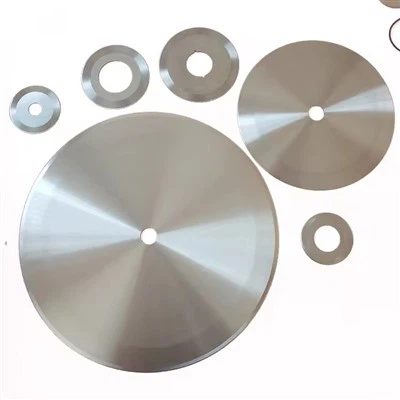
Maintenance is essential for extending the service life and maintaining optimal performance of all equipment, and harvester blades are no exception. As a professional supplier of high-quality harvester blades, we recognize the importance of proper maintenance. This guide outlines key maintenance practices to keep your blades in top working condition.
Regular Cleaning
Frequent cleaning is fundamental. During harvesting, blades accumulate dirt, plant residue and sap, which reduce cutting efficiency and cause corrosion.
Shut down and disconnect the harvester first for safety. Use a stiff brush to remove loose debris, and a mild soapy water solution for stubborn buildup. Gently scrub, rinse thoroughly and dry completely. Avoid abrasive materials that may scratch the blade surface and lead to rust.
Inspection for Damage
Routine inspections help detect issues early. Check for cracks, nicks and excessive wear. Small cracks can worsen quickly, causing breakage and safety hazards. Dull blades increase fuel consumption and reduce harvesting efficiency.
Replace damaged blades immediately. Our high-standard blades ensure durability, but all components will wear over time.
Blade Sharpening
Sharpening directly affects cutting performance. Sharp blades make clean cuts, lower energy use and minimize crop damage. Blades dull gradually due to friction during operation.
Sharpening frequency depends on crop type and working conditions-fibrous or tough crops accelerate dulling. Generally, sharpen every few days or after harvesting a set volume of crops.
Use bench grinders, files or dedicated sharpeners, maintaining the correct angle to avoid overheating. Move files in one direction for an even edge.
Lubrication
Proper lubrication reduces friction between blades, crops and moving parts, improving efficiency and extending service life.
Apply suitable lubricants regularly based on working environments-dust-resistant types for dirty conditions and anti-rust options for damp areas. Avoid over-lubrication, as excess product attracts dirt; wipe off any surplus after use.
Storage
Store blades in a dry, cool area to prevent corrosion. Hang them or use a blade case to avoid physical damage. Ensure blades are clean and dry before storage, and apply a thin protective oil layer to resist rust.
Special Considerations for Different Blades
Various harvester blades have specific maintenance needs. Tear-resistant cutting blades require gentle cleaning and sharpening to preserve their specialized performance. PE film slitting blades demand extreme cleanliness and sharpness for precise cutting, with extra care to avoid contamination.
Conclusion
Proper maintenance is vital for harvester blade performance and longevity. Regular cleaning, inspection, sharpening, lubrication and correct storage are essential steps. Following these guidelines maximizes efficiency, reduces downtime and boosts productivity.
As a reliable supplier, we provide premium products and professional maintenance support. Contact us for inquiries about blade maintenance or to purchase high-quality harvester blades.