Are non - standard blades compatible with all machines?
Hey there! I'm a supplier of non - standard blades, and this is a question I get asked a lot. So, let's dig into it and see what's what.
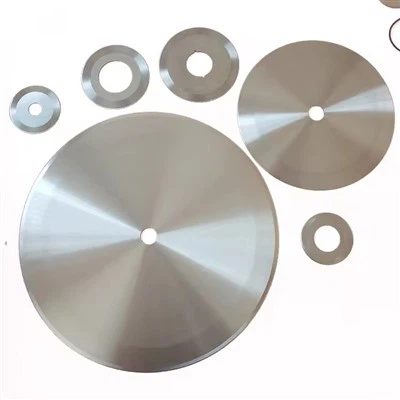
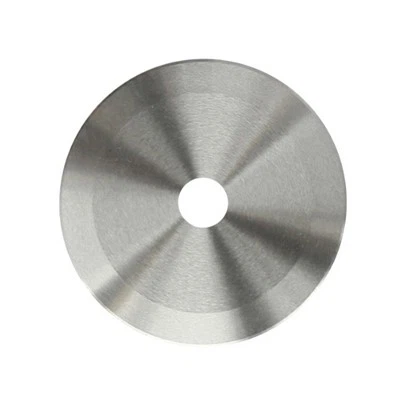
First off, what are non - standard blades? Well, they're basically blades that don't follow the typical, off - the - shelf specifications. These blades are custom - made to fit specific needs, whether it's a unique cutting pattern, a special material they need to work with, or a particular machine that has non - standard requirements.
Now, the big question: Are they compatible with all machines? The short answer is no. And here's why.
Machine Design and Specifications
Every machine is designed with a specific set of parameters in mind. The blade mounting system, for example, is crucial. Some machines have a very precise way of holding the blade in place, like a specific type of slot or a clamping mechanism. Non - standard blades need to be designed to fit these mounting systems perfectly. If the blade doesn't fit properly into the mounting, it can cause all sorts of problems. It might not cut evenly, or worse, it could damage the machine itself.
Take a look at the Cutting Blade For Film Laminating. This blade is designed for a very specific process in film laminating machines. These machines have a particular way of handling the film and need a blade that can cut through it cleanly without causing any tearing or fraying. A non - standard blade for this application needs to be made with the right shape, size, and sharpness to work with the machine's design. If you try to use a blade that's not compatible, you'll end up with a mess of poorly cut film and a frustrated operator.
Cutting Requirements
Different machines are used for different cutting tasks. Some are for cutting soft materials like fabrics or plastics, while others are for cutting hard materials like metals or ceramics. Non - standard blades are often made to meet the specific cutting requirements of a particular material.
For instance, the Filling Machine Tooth Cutting Blade is designed for use in filling machines. These machines need to cut through various types of packaging materials, such as thin plastic films or paper. The blade's teeth are shaped and spaced in a way that allows for clean, precise cuts. If you were to use a blade designed for cutting metal in a filling machine, it would be completely ineffective. The metal - cutting blade would be too dull for the thin packaging materials and might even damage the machine's delicate parts.
Speed and Power
Machines operate at different speeds and have different power outputs. A non - standard blade needs to be able to handle the speed and power of the machine it's going to be used with. If a blade is designed for a slow - moving machine and you try to use it in a high - speed machine, it could break or wear out very quickly.
Let's say you have a toothed blade like the Toothed Blade. This blade might be great for a medium - speed machine that cuts through a certain type of material. But if you put it in a high - speed machine, the teeth could break off due to the increased stress. On the other hand, if a blade is designed for a high - power machine and you use it in a low - power machine, the machine might not be able to drive the blade properly, resulting in poor cutting performance.
Compatibility Factors
Even though non - standard blades aren't compatible with all machines, there are some factors that can increase the chances of compatibility.
Material
The material of the blade is very important. A high - quality blade made from the right material can often adapt better to different machine conditions. For example, blades made from high - speed steel or carbide are known for their durability and sharpness. These materials can withstand the stress of cutting different materials and can be used in a wider range of machines compared to blades made from lower - quality materials.
Customization
One of the advantages of non - standard blades is that they can be customized. If you have a machine with unique requirements, you can work with a blade supplier to design a blade that will fit your machine perfectly. This might involve adjusting the blade's shape, size, or tooth pattern. By working closely with a supplier, you can ensure that the blade is compatible with your machine and meets your cutting needs.
When Compatibility is Possible
There are some cases where non - standard blades can be made compatible with multiple machines. For example, if you have a series of machines that are similar in design and cutting requirements, a blade can be designed to work with all of them. This can save you money and time in the long run, as you don't have to buy different blades for each machine.
Another situation is when you're upgrading an old machine. You might be able to find a non - standard blade that can improve the machine's performance without having to replace the entire machine. By working with a blade supplier, you can find a blade that fits the machine's existing mounting system and meets the new cutting requirements.
Conclusion
So, to sum it up, non - standard blades are not compatible with all machines. Machine design, cutting requirements, speed, and power all play a role in determining compatibility. However, with the right material, customization, and a bit of know - how, it's possible to find or design a non - standard blade that will work well with your machine.


If you're in the market for non - standard blades and want to make sure they're compatible with your machines, don't hesitate to reach out. As a supplier, I have the expertise and experience to help you find the perfect blade for your needs. Whether you're looking for a Cutting Blade For Film Laminating, a Filling Machine Tooth Cutting Blade, or a Toothed Blade, I can work with you to ensure compatibility and top - notch performance. Let's have a chat and see how we can make your cutting operations more efficient.
References
- General knowledge of machine tool design and cutting blade technology.
- Industry experience as a non - standard blade supplier.