Are non - standard blades easy to install?
In the world of industrial cutting and machinery, non - standard blades play a crucial role. As a supplier of non - standard blades, I have had numerous interactions with customers who often raise the question: Are non - standard blades easy to install? To answer this question comprehensively, we need to delve into various aspects of non - standard blades, including their design, application scenarios, and installation processes.
Understanding Non - standard Blades
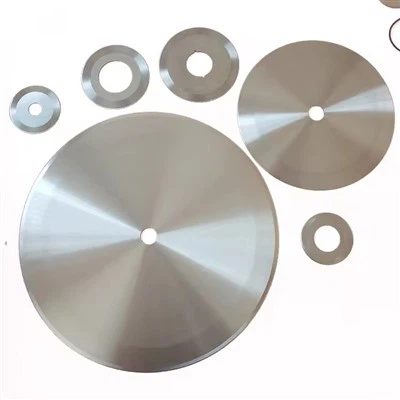
Non - standard blades are custom - made cutting tools designed to meet specific requirements that standard blades cannot fulfill. These requirements can stem from unique production processes, special materials to be cut, or specific equipment configurations. For example, a manufacturing plant that produces irregularly shaped products may need a non - standard blade to achieve precise cuts.
There are different types of non - standard blades available in the market. One such type is the Toothed Blade. Toothed blades are often used in applications where a more aggressive cutting action is required. They are commonly found in woodworking, paper cutting, and some food processing industries. The teeth on the blade are designed to grip the material and cut through it more efficiently.
Another type is the Sealing Machine Blade. These blades are specifically designed for sealing machines, which are used in packaging industries. They need to be precise and durable to ensure a proper seal on various types of packaging materials, such as plastic films and foils.
The Cutting Blade For Film Laminating is also a non - standard blade that serves a specialized purpose. In the film laminating process, these blades are used to cut the laminated film into the desired size and shape. They need to have a sharp edge and good cutting performance to avoid any damage to the film.
Factors Affecting the Installation of Non - standard Blades
Design Complexity
The design of non - standard blades can vary greatly depending on their intended use. Some non - standard blades may have a simple design, similar to standard blades but with minor modifications. For example, a blade with a slightly different shape or size to fit a particular machine. In such cases, the installation process may be relatively straightforward, similar to that of standard blades.
However, other non - standard blades may have highly complex designs. They could have unique tooth profiles, special coatings, or complex geometries. For instance, a blade with a custom - designed tooth pattern for a specific cutting task may require more careful handling during installation. The installer needs to ensure that the blade is properly aligned and seated in the machine to avoid any issues during operation.
Compatibility with Equipment
One of the most critical factors affecting the installation of non - standard blades is their compatibility with the equipment. Since non - standard blades are custom - made, they need to fit precisely into the machine they are intended for. Any mismatch in size, shape, or mounting holes can lead to installation difficulties.
Before installing a non - standard blade, it is essential to thoroughly check the machine's specifications and compare them with the blade's dimensions. This may involve measuring the mounting points, the space available for the blade, and the alignment requirements. If there are any discrepancies, adjustments may need to be made to either the blade or the machine to ensure a proper fit.
Operator Skill and Experience
The skill and experience of the operator also play a significant role in the ease of installation. An experienced operator who is familiar with different types of blades and machinery will generally find it easier to install non - standard blades. They have the knowledge and dexterity to handle the blade properly, align it correctly, and secure it in place.


On the other hand, a novice operator may face challenges during the installation process. They may not be aware of the proper techniques for handling non - standard blades, such as how to avoid damaging the blade's edge or how to ensure a tight fit. Therefore, providing proper training to operators is crucial to ensure a smooth installation process.
Installation Process of Non - standard Blades
Preparation
The first step in installing a non - standard blade is preparation. This includes gathering all the necessary tools, such as wrenches, screwdrivers, and measuring devices. The machine should also be cleaned and inspected to ensure that there are no debris or damage that could affect the installation.
The blade itself should be carefully examined for any signs of damage or defects. If the blade has a protective coating, it should be handled with care to avoid scratching or removing the coating. The operator should also review the installation instructions provided by the blade supplier to familiarize themselves with the specific requirements of the blade.
Alignment
Once the preparation is complete, the next step is alignment. This is one of the most critical steps in the installation process, especially for non - standard blades. The blade needs to be aligned precisely with the machine's cutting path to ensure accurate cuts.
Using the measuring devices, the operator should check the alignment of the blade in both the horizontal and vertical directions. Any misalignment can lead to uneven cuts, premature blade wear, or even damage to the machine. If necessary, shims or other adjustment tools can be used to correct the alignment.
Mounting
After the blade is properly aligned, it can be mounted onto the machine. This usually involves using bolts, screws, or other fastening devices to secure the blade in place. The operator should follow the recommended torque specifications provided by the blade supplier to ensure that the blade is tightened securely but not over - tightened, which could cause damage to the blade or the machine.
Once the blade is mounted, a final check should be made to ensure that it is still properly aligned and that all the fastening devices are tightened correctly.
Ease of Installation: A Balanced View
Overall, the ease of installing non - standard blades can vary depending on the factors mentioned above. In some cases, non - standard blades can be relatively easy to install, especially if they have a simple design and are well - matched to the equipment. However, in other cases, the installation process can be more challenging, requiring careful attention to detail and the skills of an experienced operator.
As a supplier of non - standard blades, we understand the importance of providing clear installation instructions and support to our customers. We work closely with our customers to ensure that they have all the information they need to install the blades correctly. We also offer training services to operators to help them gain the necessary skills and confidence to install non - standard blades.
If you are in need of non - standard blades for your industrial cutting needs, we invite you to contact us for a detailed discussion. Our team of experts can provide you with the right blade solutions and assist you throughout the installation process. Whether you need a Toothed Blade, a Sealing Machine Blade, or a Cutting Blade For Film Laminating, we have the expertise and resources to meet your requirements.
References
- "Industrial Cutting Tools Handbook", John Wiley & Sons, Inc.
- "Advanced Machining Processes", CRC Press.
- Industry reports on non - standard blade manufacturing and applications.