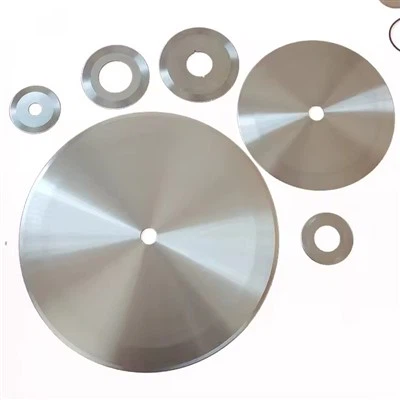
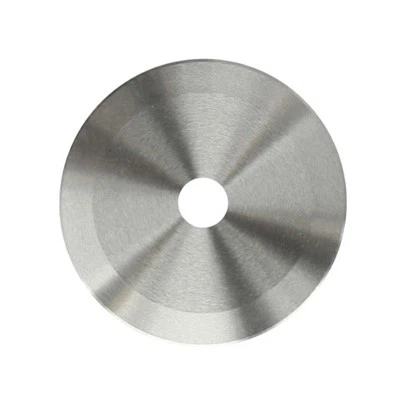
In the dynamic landscape of food processing technology, jelly production has witnessed remarkable advancements over the years. Central to the efficiency and quality of jelly manufacturing are the blades used in jelly machines. As a leading supplier of Jelly Machine Blade, I've had the privilege of closely observing and participating in the evolution of these essential components. This blog aims to explore the new technologies applied in modern jelly machine blades, shedding light on how they enhance performance, durability, and overall productivity in the jelly-making process.
Precision Cutting Technologies
One of the most significant technological breakthroughs in modern jelly machine blades is the development of precision cutting technologies. Traditional blades often struggled to achieve consistent cuts, resulting in unevenly sized jelly pieces and potential product wastage. However, with the advent of advanced machining techniques and computer-aided design (CAD), manufacturers can now produce blades with incredibly precise cutting edges.
High-precision grinding processes are used to create blades with sharp, uniform edges that can slice through jelly with minimal resistance. This not only ensures consistent portion sizes but also reduces the risk of smearing or crushing the jelly, preserving its texture and appearance. Additionally, CAD technology allows for the optimization of blade geometry, enabling manufacturers to design blades that are specifically tailored to the unique requirements of different jelly formulations and production processes.
Material Innovations
The choice of materials plays a crucial role in the performance and longevity of jelly machine blades. In recent years, there have been significant advancements in blade materials, leading to the development of blades that are more durable, corrosion-resistant, and hygienic.
Stainless steel has long been a popular choice for jelly machine blades due to its strength, corrosion resistance, and ease of cleaning. However, modern stainless steel alloys are now being engineered with enhanced properties, such as increased hardness and wear resistance, to withstand the rigors of continuous use in high-speed jelly production lines.
In addition to stainless steel, other advanced materials are also being explored for use in jelly machine blades. For example, ceramic blades offer exceptional hardness and sharpness, making them ideal for cutting through tough or viscous jelly formulations. Ceramic blades are also highly resistant to corrosion and chemical attack, ensuring a longer lifespan and reduced maintenance requirements.
Coating Technologies
To further enhance the performance and durability of jelly machine blades, coating technologies are being increasingly applied. Coatings can provide a range of benefits, including improved cutting performance, reduced friction, and enhanced corrosion resistance.
One common type of coating used on jelly machine blades is a diamond-like carbon (DLC) coating. DLC coatings are extremely hard and smooth, reducing friction between the blade and the jelly and allowing for cleaner, more precise cuts. DLC coatings also offer excellent wear resistance, extending the lifespan of the blade and reducing the need for frequent blade replacements.
Another type of coating that is gaining popularity is a non-stick coating. Non-stick coatings prevent jelly from sticking to the blade, reducing the risk of clogging and ensuring consistent cutting performance. Non-stick coatings also make the blades easier to clean, improving hygiene and reducing the time and effort required for maintenance.
Smart Blade Technologies
The integration of smart technologies into jelly machine blades is another exciting development in the industry. Smart blades are equipped with sensors and monitoring systems that can provide real-time data on blade performance, wear, and temperature.
This data can be used to optimize the operation of the jelly machine, ensuring that the blades are always operating at peak efficiency. For example, sensors can detect when a blade is starting to wear and alert operators to schedule a blade replacement before it affects the quality of the jelly production. Smart blades can also help to prevent equipment downtime by detecting potential issues early and allowing for proactive maintenance.
Automation and Robotics
The trend towards automation and robotics in the food processing industry is also having a significant impact on jelly machine blade technology. Automated jelly machines are becoming increasingly common, allowing for higher production volumes, improved quality control, and reduced labor costs.
In automated jelly production lines, blades are often integrated with robotic systems that can precisely control the cutting process. Robotic arms can be programmed to make complex cuts and shapes, allowing for the production of customized jelly products with unique designs and shapes.
Automation and robotics also enable real-time monitoring and adjustment of the cutting process. Sensors can detect variations in jelly consistency, temperature, and other factors, and the robotic system can automatically adjust the cutting speed, pressure, and blade position to ensure consistent cutting quality.
Environmental Considerations
In addition to technological advancements, there is also a growing focus on environmental sustainability in the jelly machine blade industry. Manufacturers are increasingly looking for ways to reduce the environmental impact of their products and processes, while still maintaining high levels of performance and quality.


One way to achieve this is through the use of sustainable materials and manufacturing processes. For example, some manufacturers are now using recycled materials in the production of jelly machine blades, reducing the demand for virgin materials and minimizing waste. Additionally, energy-efficient manufacturing processes are being implemented to reduce the carbon footprint of blade production.
Another environmental consideration is the disposal of used blades. To minimize waste and environmental impact, some manufacturers are offering blade recycling programs, where used blades are collected and recycled into new products.
The Future of Jelly Machine Blade Technology
Looking ahead, the future of jelly machine blade technology is likely to be shaped by continued advancements in precision cutting technologies, material innovations, coating technologies, and automation. As the demand for high-quality, customized jelly products continues to grow, manufacturers will need to invest in the development of new blade technologies that can meet the evolving needs of the industry.
One area of potential growth is the development of blades that are specifically designed for use in the production of functional and healthy jelly products. These products often contain high levels of nutrients, such as vitamins, minerals, and antioxidants, which can present unique challenges for cutting and processing. Blades that are capable of cutting through these complex formulations without damaging the delicate nutrients will be in high demand.
Another area of focus is the integration of artificial intelligence (AI) and machine learning (ML) technologies into jelly machine blade systems. AI and ML algorithms can be used to analyze real-time data from sensors and monitoring systems, allowing for more intelligent and autonomous control of the cutting process. This can lead to improved efficiency, quality control, and product consistency.
Conclusion
In conclusion, the application of new technologies in modern jelly machine blades has revolutionized the jelly production industry. Precision cutting technologies, material innovations, coating technologies, automation, and robotics have all contributed to the development of blades that are more efficient, durable, and hygienic. As the industry continues to evolve, we can expect to see further advancements in jelly machine blade technology, driven by the need for higher quality, more sustainable, and more customized jelly products.
If you are in the market for high-quality jelly machine blades, I invite you to [contact us](INSERT CONTACT INFORMATION) to learn more about our products and services. Our team of experts is dedicated to providing you with the best solutions for your jelly production needs, and we look forward to the opportunity to work with you.
References
- Smith, J. (2020). Advancements in Food Processing Technology. Journal of Food Science and Technology, 57(3), 1023-1035.
- Johnson, A. (2019). Material Innovations in Blade Manufacturing. Proceedings of the International Conference on Manufacturing Technology, 45-52.
- Brown, C. (2018). Coating Technologies for Cutting Tools. Journal of Tribology, 140(4), 041401.
- Green, D. (2017). Automation and Robotics in the Food Industry. Food Engineering Reviews, 9(2), 113-125.
- White, E. (2016). Environmental Sustainability in Food Processing. Journal of Cleaner Production, 123, 234-242.