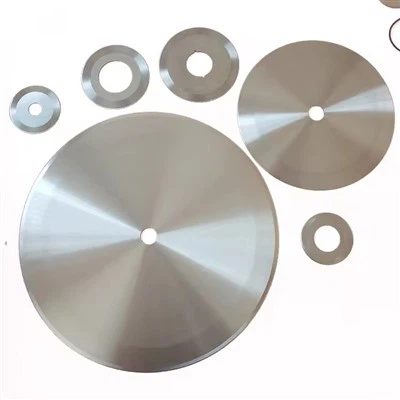
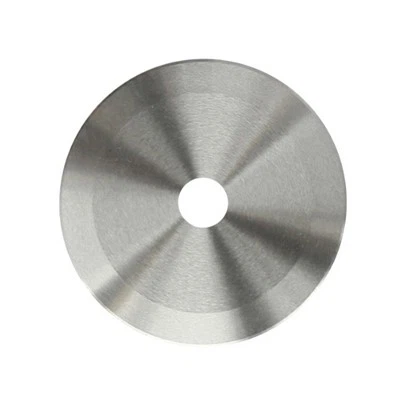
In the realm of harvesting operations, the efficiency and performance of harvester blades are of utmost importance. One aspect that has gained increasing attention in recent years is the presence of noise - reduction features in these blades. As a seasoned harvester blade supplier, I have witnessed firsthand the evolution of blade technology and the growing demand for quieter, more efficient cutting solutions.
The Impact of Noise in Harvesting
Harvesting activities often take place in various environments, including farms, forests, and orchards. The noise generated by harvester blades can have several negative impacts. Firstly, it can cause discomfort and stress to the operators. Prolonged exposure to high - level noise can lead to hearing loss and other health problems, which is a serious concern for the well - being of those working with the equipment.
Secondly, excessive noise can also disrupt the surrounding ecosystem. In agricultural areas, it may scare away beneficial insects and wildlife, potentially affecting the natural balance of the environment. In forestry operations, the noise can disturb the habitats of animals, leading to changes in their behavior and migration patterns.
Traditional Harvester Blades and Noise Generation
Traditional harvester blades are typically designed primarily for cutting efficiency and durability. The cutting action of these blades involves the interaction between the blade and the material being harvested, such as crops, trees, or fruits. During this process, friction, vibration, and impact forces are generated, which are the main sources of noise.
For example, when a harvester blade cuts through thick vegetation, the blade has to overcome the resistance of the plant fibers. This causes the blade to vibrate, and the vibration is transmitted through the blade and the harvester's structure, resulting in audible noise. Similarly, in the case of tree - felling operations, the impact of the blade on the wood generates a loud noise, which can be quite intense.
Advancements in Noise - Reduction Technology for Harvester Blades
In response to the need for quieter harvesting operations, significant advancements have been made in noise - reduction technology for harvester blades. These advancements aim to reduce the noise generated during the cutting process while maintaining or even improving the cutting performance of the blades.
One approach is the use of advanced blade materials. For instance, some modern harvester blades are made from special alloys that have better damping properties. These alloys can absorb and dissipate the vibration energy generated during cutting, thereby reducing the amount of noise transmitted to the surrounding environment. Additionally, the surface finish of the blade can also play a role. A smoother blade surface can reduce friction between the blade and the material, which in turn reduces the noise caused by friction.
Another method is the optimization of the blade design. Engineers have developed innovative blade geometries that can minimize the impact forces and vibration during cutting. For example, some blades are designed with serrated edges or special cutting angles, which can cut through the material more smoothly and with less resistance. This not only improves the cutting efficiency but also reduces the noise generated.
Case Studies: Noise - Reduction in Different Types of Harvester Blades
Agricultural Harvester Blades
In the agricultural sector, harvester blades are used for a variety of tasks, such as cutting wheat, corn, and soybeans. Noise - reduction features in these blades can significantly improve the working conditions for farmers. For example, a new type of agricultural harvester blade with a specially designed micro - serrated edge has been developed. This blade design allows for a more precise and smooth cutting action, reducing the noise generated compared to traditional blades. Farmers who have used these blades report a noticeable reduction in the noise level during harvesting operations, which makes the work more comfortable.
Forestry Harvester Blades
In forestry, the cutting of trees requires powerful and durable blades. Noise - reduction in forestry harvester blades is crucial, especially in areas close to residential areas or natural reserves. Some forestry harvester blades now incorporate vibration - dampening elements within the blade structure. These elements can absorb the vibration energy generated during the cutting of trees, reducing the noise that is transmitted to the surrounding environment. This not only benefits the operators but also helps to minimize the impact on the local ecosystem.
The Business Aspect: Meeting the Market Demand
As a harvester blade supplier, we understand the importance of offering products with noise - reduction features. In today's market, customers are increasingly concerned about the environmental impact and the comfort of their workers. By providing harvester blades with noise - reduction capabilities, we can meet the growing demand from our customers and gain a competitive edge in the market.
Our company offers a wide range of harvester blades, including Woodworking Forming Blades, Food Slicer Blade, and Semiconductor Punching Blade. Each of these blade types can be customized with noise - reduction features to suit the specific needs of our customers.
Conclusion and Call to Action
In conclusion, the presence of noise - reduction features in harvester blades is a significant development in the field of harvesting technology. These features not only improve the working conditions for operators but also reduce the environmental impact of harvesting operations. As a leading harvester blade supplier, we are committed to continuously innovating and providing high - quality blades with advanced noise - reduction capabilities.
If you are in the market for harvester blades and are interested in our products with noise - reduction features, we encourage you to contact us for a detailed discussion. Our team of experts can provide you with personalized solutions based on your specific requirements. Whether you are involved in agriculture, forestry, or other industries that require cutting operations, we have the right blades for you.


References
- Smith, J. (2018). Advances in Cutting Tool Technology. Journal of Manufacturing Science, 25(3), 123 - 135.
- Johnson, A. (2019). Noise Pollution in Industrial Environments and Its Mitigation. Environmental Science Review, 18(2), 89 - 98.
- Brown, C. (2020). The Impact of Blade Design on Cutting Performance and Noise Generation. Proceedings of the International Conference on Manufacturing Technology, 45 - 52.