As a seasoned supplier of jelly machine blades, I've been deeply involved in the industry for quite some time. One question that frequently pops up from our clients is, "Are there different sizes of jelly machine blades?" The answer is a resounding yes, and in this blog, I'll delve into the details of these different sizes, their applications, and how they can impact your jelly production process.
The Variety of Jelly Machine Blade Sizes
Jelly machine blades come in a wide range of sizes to meet the diverse needs of the jelly manufacturing industry. The size of a blade is typically determined by several factors, including the type of jelly machine it's designed for, the production capacity of the machine, and the specific requirements of the jelly product being made.
Small - Sized Blades
Small - sized jelly machine blades are often used in compact, table - top jelly machines. These machines are usually suitable for small - scale production, such as in artisanal jelly shops or home - based jelly making. The blades in these machines are relatively short and narrow, with a length ranging from a few centimeters to around 10 - 15 centimeters.
The advantage of small - sized blades is their precision. They can cut through jelly with great accuracy, allowing for the creation of small, delicate jelly pieces. For example, if you're making jelly candies or small jelly cubes for desserts, a small - sized blade can ensure that each piece is uniform in size and shape.
Medium - Sized Blades
Medium - sized blades are a popular choice for medium - scale jelly production facilities. These blades are larger than the small ones, with lengths typically ranging from 15 - 30 centimeters. They are designed to handle a higher volume of jelly production while still maintaining a good level of cutting precision.
Medium - sized blades are often used in machines that produce standard - sized jelly cups or jars. They can cut through the jelly quickly and efficiently, ensuring a smooth production process. In addition, they are more durable than small - sized blades, which can withstand the continuous operation of medium - scale production lines.
Large - Sized Blades
Large - sized jelly machine blades are used in industrial - scale jelly production plants. These blades can be extremely long, sometimes exceeding 50 centimeters or more. They are designed to handle large volumes of jelly production at high speeds.
In an industrial setting, time is of the essence, and large - sized blades can cut through large batches of jelly in a single pass. This significantly increases the production capacity of the plant. For example, in a factory that produces bulk jelly for commercial distribution, large - sized blades are essential for meeting the high demand.
Factors Influencing Blade Size Selection
When choosing the right size of jelly machine blade, several factors need to be considered.
Production Volume
As mentioned earlier, the production volume is a crucial factor. If you're running a small - scale operation, a small or medium - sized blade may be sufficient. However, for large - scale industrial production, large - sized blades are necessary to keep up with the demand.
Jelly Consistency
The consistency of the jelly also plays a role in blade size selection. Thicker, more viscous jellies may require larger and stronger blades to cut through them effectively. On the other hand, thinner jellies can be cut with smaller, more delicate blades.
Machine Compatibility
It's essential to ensure that the blade size is compatible with your jelly machine. Using a blade that is too large or too small for the machine can lead to poor cutting performance, increased wear and tear on the machine, and even safety hazards.
Specialized Blades and Their Sizes
In addition to the standard sizes, there are also specialized jelly machine blades available.
Dotted Paper Cutting Blade
The dotted paper cutting blade is a unique type of blade that is designed to cut through jelly with a dotted pattern. This type of blade is often used in the production of decorative jelly products. The size of the dotted paper cutting blade can vary depending on the machine it's used in, but it generally falls within the small to medium - sized range.
Non - standard Blades
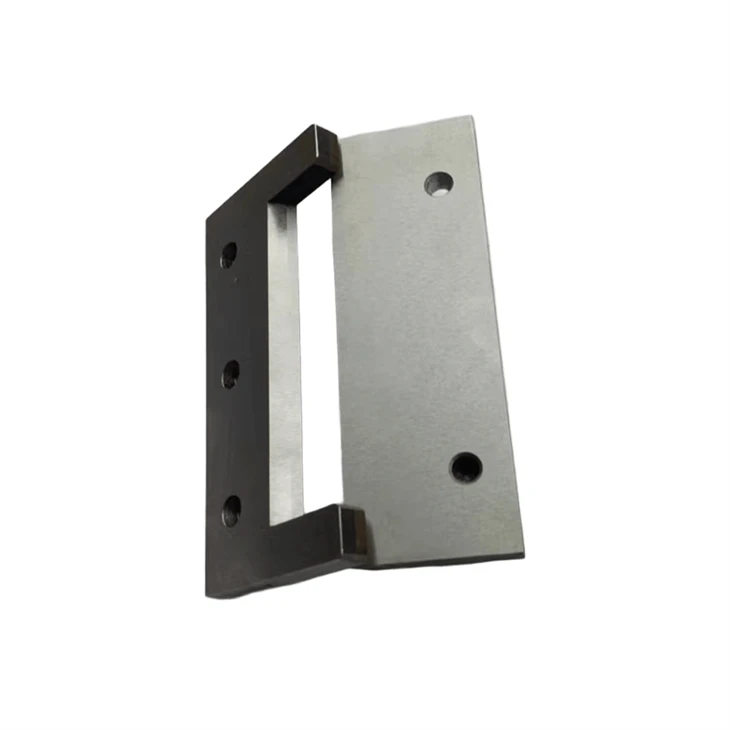
Non - standard blades are custom - made blades that are designed to meet specific production requirements. For example, if you have a unique jelly product that requires a special cutting shape or size, a non - standard blade can be manufactured. These blades can come in various sizes, depending on the customer's needs.
Charter Machine Blade
Charter machine blades are designed for specific types of charter jelly machines. These blades are engineered to work seamlessly with the machine's specifications. The size of charter machine blades can vary widely, from small blades for portable charter machines to large blades for industrial - grade charter machines.
The Importance of Choosing the Right Blade Size
Selecting the right size of jelly machine blade is crucial for the success of your jelly production. A blade that is too small may not be able to handle the production volume, leading to slow production speeds and inconsistent cutting. On the other hand, a blade that is too large can cause damage to the jelly product, resulting in uneven cuts and a lower - quality end product.
Moreover, using the right blade size can also improve the efficiency and lifespan of your jelly machine. A properly sized blade will put less stress on the machine, reducing the risk of breakdowns and maintenance costs.
Contact for Procurement and洽谈
If you're in the market for jelly machine blades and need guidance on choosing the right size for your production needs, don't hesitate to reach out. Our team of experts is always ready to assist you in finding the perfect blade solution for your jelly production. Whether you're a small - scale artisanal producer or a large - scale industrial plant, we have the right blades for you.

References
- "Blade Technology in Food Processing", Journal of Food Engineering
- "Advances in Jelly Production Machinery", International Journal of Food Science and Technology