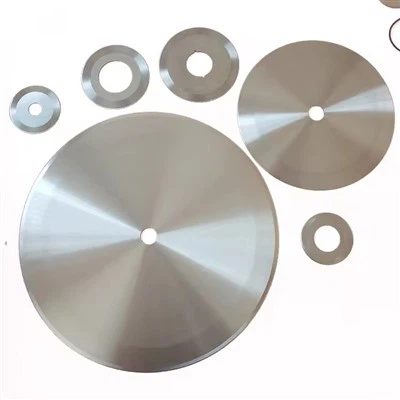
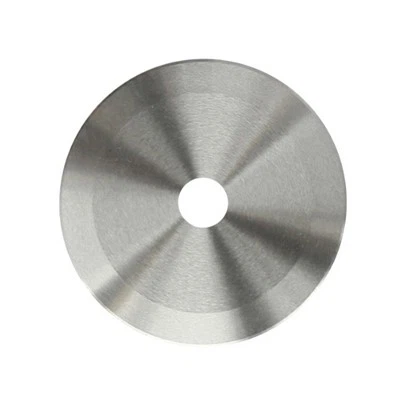
As a dedicated supplier of food slicer blades, I often encounter various inquiries from customers regarding the proper storage and maintenance of our products. One question that frequently arises is, "Can I store a food slicer blade in a wet environment?" This seemingly simple query delves into the heart of blade durability, performance, and safety. In this blog post, I will explore the implications of storing food slicer blades in wet conditions, backed by scientific knowledge and practical experience.
The Science Behind Blade Corrosion
To understand the impact of a wet environment on food slicer blades, we must first grasp the concept of corrosion. Corrosion is a natural process that occurs when metals react with oxygen and moisture in the air or water. In the case of food slicer blades, which are typically made of stainless steel or other metal alloys, exposure to water can initiate a series of chemical reactions that lead to rust and degradation.
Stainless steel, a popular choice for food slicer blades, contains chromium, which forms a protective oxide layer on the surface of the metal. This layer acts as a barrier, preventing oxygen and moisture from reaching the underlying metal and inhibiting corrosion. However, when the blade is exposed to a wet environment for an extended period, the protective oxide layer can be compromised, allowing oxygen and moisture to penetrate the metal and initiate rust formation.
The rate of corrosion depends on several factors, including the type of metal, the composition of the water, and the temperature and humidity of the environment. For example, blades made of low-quality stainless steel or those with a high carbon content are more susceptible to corrosion than blades made of high-quality stainless steel with a higher chromium content. Additionally, water that contains high levels of salt, acids, or other contaminants can accelerate the corrosion process.
The Consequences of Storing Blades in a Wet Environment
Storing food slicer blades in a wet environment can have several negative consequences, both for the blade itself and for the safety and performance of the slicer.
1. Rust and Corrosion
As mentioned earlier, exposure to water can cause rust and corrosion to form on the surface of the blade. Rust not only affects the appearance of the blade but also weakens its structural integrity, making it more prone to chipping, cracking, and breaking. Over time, rust can also spread to other parts of the slicer, causing damage to the machine and reducing its lifespan.


2. Dullness and Reduced Cutting Performance
Corrosion can also cause the blade to become dull and lose its sharpness. As the rust forms on the surface of the blade, it can create rough patches and uneven edges, which can interfere with the blade's ability to cut through food cleanly and efficiently. A dull blade requires more force to cut through food, which can increase the risk of injury and damage to the slicer.
3. Bacterial Growth
A wet environment provides an ideal breeding ground for bacteria and other microorganisms. When food slicer blades are stored in a wet environment, they can become contaminated with bacteria, which can pose a health risk to consumers. Bacteria can also cause the blade to develop an unpleasant odor and taste, which can affect the quality of the food being sliced.
4. Safety Hazards
Rust and corrosion can weaken the blade, making it more likely to break or shatter during use. A broken blade can cause serious injuries to the user, including cuts, lacerations, and puncture wounds. Additionally, a dull blade requires more force to cut through food, which can increase the risk of the user losing control of the slicer and causing an accident.
Best Practices for Storing Food Slicer Blades
To ensure the longevity and performance of your food slicer blades, it is essential to store them in a dry, clean, and well-ventilated environment. Here are some best practices for storing food slicer blades:
1. Clean and Dry the Blade Thoroughly
Before storing the blade, make sure to clean it thoroughly with warm, soapy water and a soft brush. Rinse the blade under running water to remove any soap residue, and then dry it completely with a clean towel or air dryer. Pay special attention to the edges of the blade, as these areas are more prone to corrosion.
2. Use a Blade Protector
A blade protector is a simple and effective way to protect the blade from damage and corrosion during storage. Blade protectors are typically made of plastic or rubber and can be easily slipped over the blade to provide a barrier between the blade and the environment. Make sure to choose a blade protector that is the right size for your blade and that fits snugly to prevent moisture from getting in.
3. Store the Blade in a Dry Place
Choose a dry, clean, and well-ventilated place to store your food slicer blades. Avoid storing the blades in areas that are prone to moisture, such as basements, bathrooms, or near sinks. If possible, store the blades in a cabinet or drawer that is away from direct sunlight and heat sources.
4. Avoid Stacking Blades
Stacking blades can cause them to rub against each other, which can damage the edges of the blades and increase the risk of corrosion. Instead, store the blades individually or in a blade holder that keeps them separated and protected.
5. Inspect the Blades Regularly
Regularly inspect your food slicer blades for signs of rust, corrosion, or damage. If you notice any issues, such as rust spots, dullness, or chips, replace the blade immediately to ensure the safety and performance of your slicer.
Conclusion
In conclusion, storing food slicer blades in a wet environment is not recommended. Exposure to water can cause rust and corrosion to form on the surface of the blade, which can weaken its structural integrity, reduce its cutting performance, and pose a safety hazard to the user. To ensure the longevity and performance of your food slicer blades, it is essential to store them in a dry, clean, and well-ventilated environment. By following the best practices outlined in this blog post, you can help to protect your blades from damage and ensure that they continue to perform at their best for years to come.
If you are in the market for high-quality food slicer blades, we invite you to explore our range of products. We offer a wide selection of Easy-tear Cutting Blade, Harvester Blade, and Crusher Blade that are designed to meet the needs of commercial kitchens, restaurants, and food processing facilities. Our blades are made from the highest quality materials and are precision-engineered to provide superior cutting performance and durability.
If you have any questions or would like to discuss your specific requirements, please do not hesitate to contact us. Our team of experts is always available to provide you with personalized advice and support. We look forward to hearing from you and helping you find the perfect food slicer blades for your needs.
References
- ASM Handbook, Volume 13A: Corrosion: Fundamentals, Testing, and Protection. ASM International, 2003.
- Metals Handbook: Properties and Selection: Irons, Steels, and High-Performance Alloys. ASM International, 1990.
- Corrosion Basics: An Introduction. NACE International, 2000.