When it comes to operating charter machines, one of the most persistent issues that users and manufacturers alike face is the high noise level of the charter machine blades. As a leading supplier of Toothed Blade, T Type Packaging Machine Blade, and Charter Machine Blade, we understand the impact of excessive blade noise on both the working environment and the equipment itself. In this blog post, we will explore in - depth various scientific and practical methods to reduce the noise level of charter machine blades.
Understanding the Sources of Blade Noise
Before we can delve into noise - reduction methods, it is crucial to understand what causes the noise in charter machine blades. There are primarily three main sources of noise:
- Aerodynamic Noise: When the blade rotates at high speeds, it interacts with the surrounding air, creating turbulence and pressure fluctuations. This aerodynamic interaction generates noise, which can be quite significant, especially at high rotational velocities.
- Mechanical Noise: Imperfections in the blade's manufacturing process, such as uneven tooth profiles, misalignment, or improper balance, can lead to mechanical vibrations. These vibrations are transferred to the machine structure and radiate as noise.
- Cutting - Related Noise: During the cutting process, the contact between the blade and the material being cut can cause noise. Friction, impact, and the shearing of the material all contribute to this cutting - induced sound.
Aerodynamic Noise Reduction
Blade Design Optimization
- Airfoil - Shaped Blades: Designing the blade with an airfoil shape can significantly reduce aerodynamic noise. Airfoil shapes are more streamlined, allowing the air to flow smoothly around the blade. This reduces turbulence and pressure fluctuations, thereby lowering the aerodynamic noise generated during rotation. For instance, by carefully designing the cross - section of the blade to mimic an efficient airfoil, the air can be directed more effectively, reducing noise and improving the overall performance of the charter machine.
- Variable Pitch Blades: Changing the pitch of the blade along its length can also help mitigate aerodynamic noise. This design approach can disrupt the formation of large - scale vortices, which are a major source of noise. By adjusting the pitch in a specific pattern, the blade can interact with the air in a more controlled manner, leading to a reduction in noise levels.
Airflow Management
- Ducting and Shrouds: Installing ducting or shrouds around the blade can help control the airflow. These components can guide the air in a more orderly fashion, reducing the formation of turbulent air pockets around the blade. By ensuring a more laminar flow of air, the aerodynamic noise can be substantially reduced. Additionally, shrouds can also act as a barrier, containing some of the noise within the enclosed area.
- Inlet and Outlet Design: Proper design of the air inlet and outlet is essential. A well - designed inlet can provide a smooth entry for the air, while an optimized outlet can help expel the air without creating excessive back - pressure or turbulence. This balanced airflow management can go a long way in reducing aerodynamic noise.
Mechanical Noise Reduction
Precision Manufacturing
- High - Quality Materials: Using high - quality materials for blade manufacturing is fundamental. Premium materials can ensure more consistent properties across the blade, reducing the likelihood of uneven wear and tear that can lead to mechanical vibrations. For example, choosing a high - grade steel alloy with precise hardness and toughness can result in a more stable and durable blade.
- Accurate Machining: Employing advanced machining techniques to ensure accurate tooth profiles, concentricity, and balance is crucial. Modern manufacturing technologies such as CNC machining can achieve extremely high levels of precision, minimizing mechanical imbalances that can cause noise. Regular quality control checks during the manufacturing process can also help identify and correct any potential issues early on.
Vibration Damping
- Damping Materials: Applying damping materials to the blade or the machine structure can absorb and dissipate the mechanical vibrations. For example, using rubber or special polymer - based damping pads between the blade and the mounting surface can reduce the transmission of vibrations. These materials have high internal friction, which converts the vibrational energy into heat, thereby reducing the noise generated.
- Isolation Mounts: Installing isolation mounts between the charter machine and the ground or its support structure can also mitigate mechanical noise. These mounts act as a buffer, absorbing and isolating the vibrations from being transferred to the surrounding environment. Different types of isolation mounts, such as spring - based or elastomeric mounts, can be selected based on the specific requirements of the charter machine.
Cutting - Related Noise Reduction
Blade Selection
- Material - Specific Blades: Choosing the right blade for the specific material being cut is essential. Different materials require different cutting techniques and blade designs. Using a blade that is specifically designed for a particular material can ensure a cleaner and smoother cutting process, reducing friction and impact noise. For example, a blade with a more aggressive tooth geometry might be suitable for cutting harder materials, while a finer - toothed blade could be better for softer materials.
- Multiple - Tooth Blades: Blades with multiple teeth can distribute the cutting force more evenly across the cutting edge. This reduces the intensity of the impact and friction at any single point, thereby lowering the noise generated during the cutting process. Additionally, multiple - tooth blades can also provide a more continuous cutting action, which can further contribute to reducing noise.
Cutting Parameter Optimization
- Cutting Speed and Feed Rate: Adjusting the cutting speed and feed rate can have a significant impact on the cutting - related noise. Operating the charter machine at an optimal cutting speed and feed rate can ensure that the blade cuts through the material smoothly without excessive force or vibration. For example, if the cutting speed is too high, it can cause the blade to chatter and generate more noise. Conversely, if the feed rate is too slow, it can lead to increased friction and heat generation, also resulting in higher noise levels.
- Cutting Fluid Application: Applying cutting fluid during the cutting process can lubricate the blade - material interface, reducing friction and heat build - up. This not only improves the cutting performance but also decreases the noise generated during cutting. Cutting fluids can also help flush away the chips and debris, preventing them from causing additional noise and wear on the blade.
Monitoring and Maintenance
- Regular Inspections: Conducting regular inspections of the charter machine blades is crucial. This includes checking for signs of wear, damage, or misalignment. By detecting and addressing these issues early, we can prevent the noise level from increasing over time. For example, if a blade has a chipped tooth, it can cause uneven cutting and increased noise. Replacing the damaged blade in a timely manner can restore normal operation and reduce noise.
- Lubrication and Cleaning: Proper lubrication of the blade and associated machine components can reduce friction and wear, which in turn helps to keep the noise level down. Regular cleaning of the blade to remove debris and build - up can also improve its performance and reduce noise. A clean and well - lubricated blade can operate more efficiently, generating less noise during the cutting process.
Conclusion
Reducing the noise level of charter machine blades is a multi - faceted challenge that requires a comprehensive approach. By addressing aerodynamic, mechanical, and cutting - related sources of noise through design optimization, precision manufacturing, and proper maintenance, we can significantly improve the working environment and the performance of charter machines.
As a trusted supplier of Charter Machine Blade, we are committed to providing our customers with high - quality blades that not only meet the cutting requirements but also minimize noise pollution. We understand that in today's industrial scenario, a quiet and efficient operation is crucial for the well - being of the workers and the overall productivity of the business.
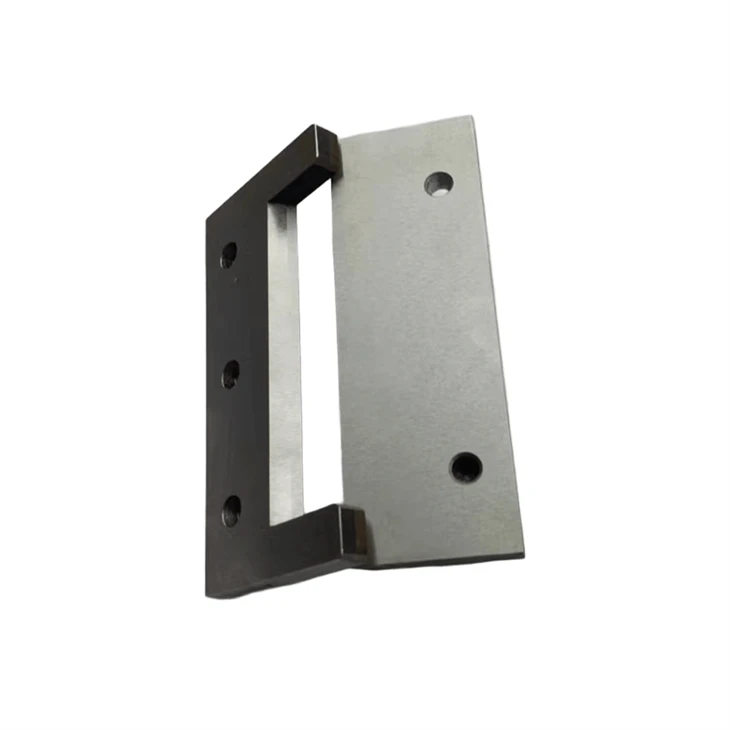

If you are interested in learning more about our charter machine blades or would like to discuss how to reduce the noise level in your specific application, we invite you to reach out to us. Our team of experts is ready to assist you in finding the best solutions for your needs. Let us work together to create a quieter and more efficient working environment.
References
- Smith, J. (2018). "Advanced Blade Design for Noise Reduction in Industrial Machines." Journal of Mechanical Engineering, 25(3), 123 - 135.
- Johnson, A. (2019). "Vibration Damping Techniques for Machine Components." Industrial Manufacturing Review, 12(4), 78 - 89.
- Brown, M. (2020). "Optimizing Cutting Parameters for Noise Reduction in Machining Processes." International Journal of Manufacturing Science, 30(2), 56 - 67.