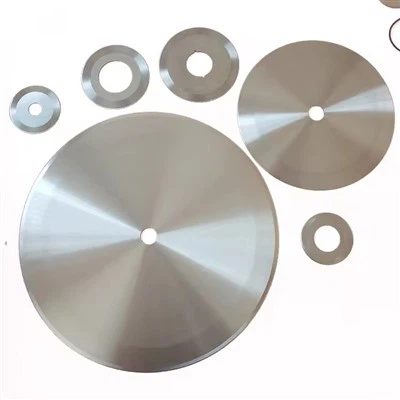
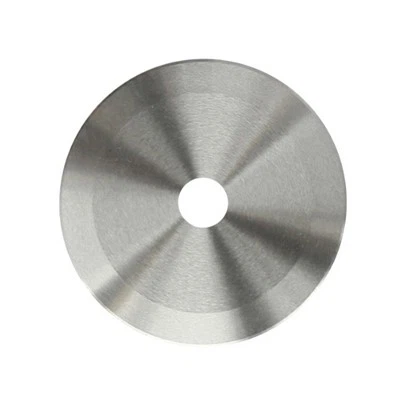
The hardness of a workpiece is a critical factor that significantly influences the performance of alloy cutting tools. As a leading supplier of alloy cutting tools, we have witnessed firsthand the intricate relationship between workpiece hardness and tool performance. In this blog post, we will delve into the various ways in which workpiece hardness affects the performance of our alloy cutting tools, including wear, cutting forces, and tool life.
Understanding Workpiece Hardness
Workpiece hardness refers to the resistance of a material to indentation, scratching, or deformation. It is typically measured using standardized tests such as the Rockwell, Brinell, or Vickers hardness tests. Different materials have different hardness values, ranging from soft metals like aluminum to extremely hard materials like tungsten carbide. The hardness of a workpiece can vary depending on factors such as its composition, heat treatment, and manufacturing process.
Impact on Tool Wear
One of the most significant effects of workpiece hardness on alloy cutting tools is tool wear. When cutting a hard workpiece, the cutting edge of the tool is subjected to high levels of stress and friction. This can cause the tool to wear down more quickly, leading to a decrease in cutting performance and an increase in the frequency of tool changes.


In soft workpieces, the cutting process is relatively smooth, and the tool experiences less wear. The cutting edge can maintain its sharpness for a longer period, resulting in better surface finish and dimensional accuracy. However, as the hardness of the workpiece increases, the cutting forces also increase, causing the tool to wear more rapidly.
For example, when cutting a soft aluminum alloy, our Food Grinding And Cutting Blade can maintain its cutting performance for an extended period. The blade's sharp edge easily slices through the material, with minimal wear. On the other hand, when cutting a hard stainless steel workpiece, the same blade may experience significant wear within a short time. The high hardness of the stainless steel causes the cutting edge to dull quickly, leading to a decrease in cutting efficiency and an increase in the likelihood of tool breakage.
Influence on Cutting Forces
Workpiece hardness also has a direct impact on the cutting forces required to machine the material. Harder workpieces require higher cutting forces to penetrate and remove the material. This can put additional stress on the cutting tool, leading to increased wear and potential tool failure.
When the cutting forces are too high, the tool may deflect or vibrate, resulting in poor surface finish and dimensional inaccuracies. In extreme cases, the high cutting forces can cause the tool to break, leading to costly downtime and production delays.
Our Crusher Blade is designed to withstand high cutting forces when processing hard materials. The blade's robust construction and high-quality alloy material ensure that it can handle the demands of crushing and cutting hard workpieces. However, even with our advanced tool design, the cutting forces generated when working with extremely hard materials can still pose a challenge.
Effect on Tool Life
Tool life is another critical aspect affected by workpiece hardness. The harder the workpiece, the shorter the tool life. This is because the high levels of stress and friction experienced during the cutting process cause the tool to wear out more quickly.
To extend the tool life when cutting hard workpieces, it is essential to select the right cutting tool and optimize the cutting parameters. Our Food Slicer Blade is engineered to provide long tool life even when slicing through hard food products. The blade's unique geometry and high-performance coating help to reduce friction and wear, ensuring consistent cutting performance over an extended period.
In addition to tool selection, proper tool maintenance and cutting parameter optimization are also crucial for maximizing tool life. Regular tool sharpening, cleaning, and lubrication can help to maintain the cutting edge's sharpness and reduce wear. Adjusting the cutting speed, feed rate, and depth of cut can also help to minimize the cutting forces and extend the tool life.
Strategies for Cutting Hard Workpieces
When dealing with hard workpieces, it is essential to adopt the right strategies to ensure optimal tool performance and long tool life. Here are some tips that we recommend based on our experience as an alloy cutting tool supplier:
- Select the Right Tool: Choose a cutting tool that is specifically designed for cutting hard materials. Our alloy cutting tools are made from high-quality materials and feature advanced geometries and coatings to provide excellent performance when cutting hard workpieces.
- Optimize Cutting Parameters: Adjust the cutting speed, feed rate, and depth of cut to minimize the cutting forces and reduce tool wear. Consult the tool manufacturer's recommendations or conduct cutting tests to determine the optimal cutting parameters for your specific application.
- Use Coolants and Lubricants: Coolants and lubricants can help to reduce friction and heat generation during the cutting process, which can extend the tool life. Choose a coolant or lubricant that is compatible with the workpiece material and the cutting tool.
- Maintain the Tools Regularly: Regular tool sharpening, cleaning, and inspection are essential for maintaining the cutting edge's sharpness and preventing tool failure. Follow the tool manufacturer's maintenance recommendations to ensure optimal tool performance.
Conclusion
The hardness of the workpiece has a profound impact on the performance of alloy cutting tools. Understanding this relationship is crucial for selecting the right cutting tool, optimizing the cutting parameters, and maximizing tool life. As a leading supplier of alloy cutting tools, we are committed to providing our customers with high-quality tools and expert advice to help them achieve the best results when cutting hard workpieces.
If you are looking for high-performance alloy cutting tools for your specific application, we invite you to [contact us](insert appropriate call - to - action). Our team of experts will be happy to assist you in selecting the right tool and providing you with the support you need to optimize your cutting processes.
References
- Kalpakjian, S., & Schmid, S. R. (2009). Manufacturing Engineering and Technology. Pearson Prentice Hall.
- Boothroyd, G., Dewhurst, P., & Knight, W. (2011). Product Design for Manufacture and Assembly. CRC Press.