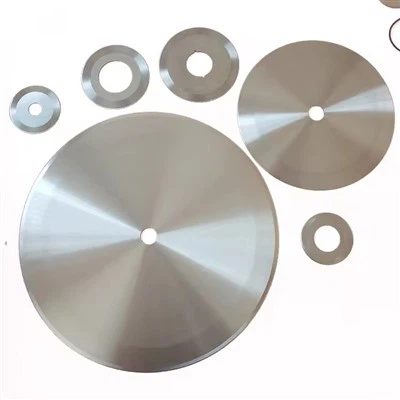
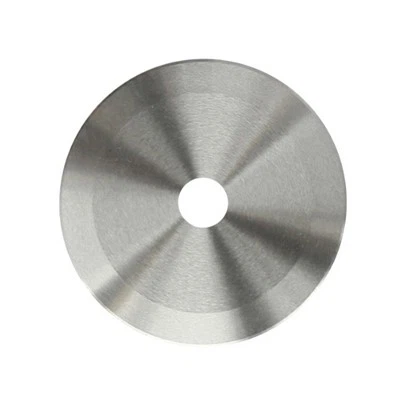
In the realm of industrial cutting tools, toothed cutters stand as indispensable assets, playing a pivotal role in a multitude of manufacturing and processing operations. Their ability to efficiently slice through various materials with precision and speed makes them a cornerstone in industries ranging from food processing to automotive manufacturing. One of the critical performance metrics of toothed cutters is their impact resistance, which directly influences their durability, reliability, and overall effectiveness in demanding cutting applications. As a leading toothed cutter supplier, we understand the profound impact that the material of a toothed cutter has on its impact resistance, and in this blog post, we will delve into the intricate relationship between these two factors.
The Significance of Impact Resistance in Toothed Cutters
Before we explore the influence of cutter material on impact resistance, it is essential to understand why impact resistance is so crucial in toothed cutters. In many cutting applications, toothed cutters are subjected to high levels of impact forces. For instance, when cutting hard or tough materials, the cutter teeth may encounter sudden resistance, causing significant stress on the tool. In food processing, toothed cutters used in Jelly Machine Blade may experience impact forces when slicing through dense or sticky jelly masses. Similarly, Rubber Cutting Saw Blade often face substantial impact when cutting through thick rubber sheets.
A toothed cutter with poor impact resistance is prone to chipping, cracking, or even breaking under these impact forces. This not only leads to premature tool failure but also poses risks to the quality of the cut and the safety of the operators. A chipped or broken cutter tooth can leave rough edges on the workpiece, resulting in defective products. Moreover, flying fragments from a broken cutter can cause serious injuries to the operators. Therefore, ensuring high impact resistance in toothed cutters is of utmost importance for maintaining productivity, product quality, and workplace safety.
Common Materials Used in Toothed Cutters and Their Impact Resistance
High - Speed Steel (HSS)
High - speed steel is one of the most widely used materials in toothed cutters. It is known for its excellent hardness, wear resistance, and the ability to maintain its cutting edge at high temperatures. HSS contains alloying elements such as tungsten, molybdenum, chromium, and vanadium, which contribute to its superior properties.
In terms of impact resistance, HSS offers a good balance. It can withstand moderate impact forces without significant damage. The fine - grained structure of HSS allows it to absorb and distribute impact energy to some extent. However, when exposed to extremely high - impact situations, such as cutting through very hard and brittle materials, HSS may be prone to chipping. This is because its high hardness also makes it relatively brittle, and large impact forces can cause cracks to propagate rapidly through the material.
Carbide
Carbide is another popular material for toothed cutters, especially in applications where high precision and long tool life are required. Carbide cutters are made from tungsten carbide particles bonded together with a metallic binder, usually cobalt.


Carbide is extremely hard, much harder than HSS. This hardness gives carbide toothed cutters excellent wear resistance, allowing them to maintain a sharp cutting edge for a long time. However, carbide is also very brittle. Its impact resistance is relatively low compared to some other materials. When subjected to high - impact forces, carbide cutters are more likely to crack or break. Therefore, carbide toothed cutters are typically used in applications where the cutting forces are relatively stable and predictable, such as precision machining of metals in the automotive and aerospace industries.
Tool Steel
Tool steel is a general term for a group of steels that are specifically designed for use in tools. Different types of tool steel have different compositions and properties, but they generally offer good toughness and impact resistance.
Tool steel toothed cutters can withstand relatively high - impact forces without cracking or breaking. The alloying elements in tool steel, such as manganese, silicon, and nickel, enhance its toughness and ductility. This allows the cutter to deform slightly under impact, absorbing the energy and preventing the formation of cracks. Tool steel is often used in applications where the toothed cutter needs to cut through a variety of materials with different hardnesses and where impact forces are variable, such as in general - purpose machining and woodworking.
Ceramic
Ceramic materials are known for their high hardness, wear resistance, and heat resistance. Ceramic toothed cutters can operate at very high cutting speeds and maintain a sharp cutting edge for a long time.
However, ceramic is extremely brittle and has very poor impact resistance. Even a small impact can cause the ceramic cutter to crack or break. Due to this limitation, ceramic toothed cutters are mainly used in high - speed, low - impact applications, such as finishing operations on hard materials where the cutting forces are well - controlled.
Factors Affecting the Impact Resistance of Different Materials
Grain Size
The grain size of the cutter material has a significant impact on its impact resistance. In general, a finer grain size leads to better impact resistance. A fine - grained material has more grain boundaries, which can act as barriers to crack propagation. When an impact force causes a crack to initiate, the grain boundaries can deflect the crack, preventing it from growing rapidly.
For example, in HSS toothed cutters, a fine - grained structure can improve their ability to withstand impact forces. Manufacturers can control the grain size during the manufacturing process through heat treatment and alloying techniques.
Heat Treatment
Heat treatment is a crucial process that can significantly alter the properties of the cutter material, including its impact resistance. Different heat treatment processes, such as quenching and tempering, can change the microstructure of the material, affecting its hardness, toughness, and impact resistance.
For tool steel toothed cutters, proper heat treatment can enhance their impact resistance. Quenching followed by tempering can refine the grain structure and relieve internal stresses, making the cutter more resistant to impact. However, if the heat treatment is not carried out correctly, it can lead to reduced impact resistance. For instance, over - quenching can make the material too hard and brittle, increasing the risk of cracking under impact.
Alloying Elements
The type and amount of alloying elements in the cutter material also play a vital role in determining its impact resistance. As mentioned earlier, elements like nickel and manganese in tool steel can improve its toughness and impact resistance. These elements enhance the material's ability to deform plastically under impact, absorbing the energy without cracking.
In carbide materials, the amount of cobalt binder affects the impact resistance. A higher cobalt content increases the toughness of the carbide, improving its ability to withstand impact forces. However, increasing the cobalt content also reduces the hardness of the carbide, so a balance needs to be struck between hardness and impact resistance.
Choosing the Right Material for Toothed Cutters Based on Impact Requirements
As a toothed cutter supplier, we understand that choosing the right material is crucial for meeting the specific needs of different applications. When selecting a toothed cutter material, the impact requirements of the application should be carefully considered.
For applications with low - to - moderate impact forces, such as precision machining of soft metals or plastics, carbide toothed cutters may be a good choice due to their high hardness and wear resistance. Straight Serrated Cutting Blade used in such applications can benefit from the long - lasting sharpness of carbide.
In applications where the impact forces are more variable and moderate to high, tool steel or HSS toothed cutters are more suitable. Their better impact resistance allows them to handle a wider range of cutting conditions without significant damage. For example, in general - purpose woodworking or food processing, tool steel or HSS toothed cutters can provide reliable performance.
If the application involves extremely high - impact forces, such as cutting through very hard and tough materials, a material with high toughness, like some specialized tool steels or impact - resistant alloys, may be required.
Conclusion
In conclusion, the material of a toothed cutter has a profound impact on its impact resistance. Different materials, such as high - speed steel, carbide, tool steel, and ceramic, offer different levels of impact resistance, each with its own advantages and limitations. Factors such as grain size, heat treatment, and alloying elements also influence the impact resistance of these materials.
As a toothed cutter supplier, we are committed to providing our customers with the highest - quality toothed cutters that are tailored to their specific application requirements. By understanding the relationship between cutter material and impact resistance, we can help our customers make informed decisions when choosing the right toothed cutter for their operations. If you are in the market for toothed cutters and need advice on the best material for your application, please do not hesitate to contact us for a detailed consultation. We look forward to discussing your needs and providing you with the most suitable solutions.
References
- Kalpakjian, S., & Schmid, S. R. (2013). Manufacturing Engineering and Technology. Pearson.
- Trent, E. M., & Wright, P. K. (2000). Metal Cutting. Butterworth - Heinemann.
- ASM Handbook Committee. (1990). ASM Handbook: Volume 8 - Mechanical Testing and Evaluation. ASM International.