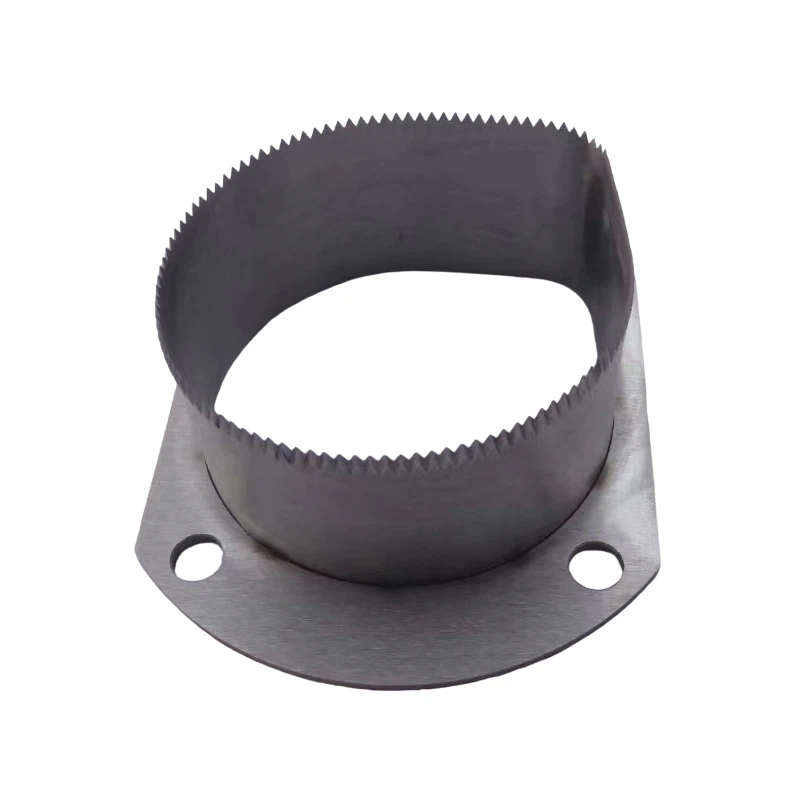
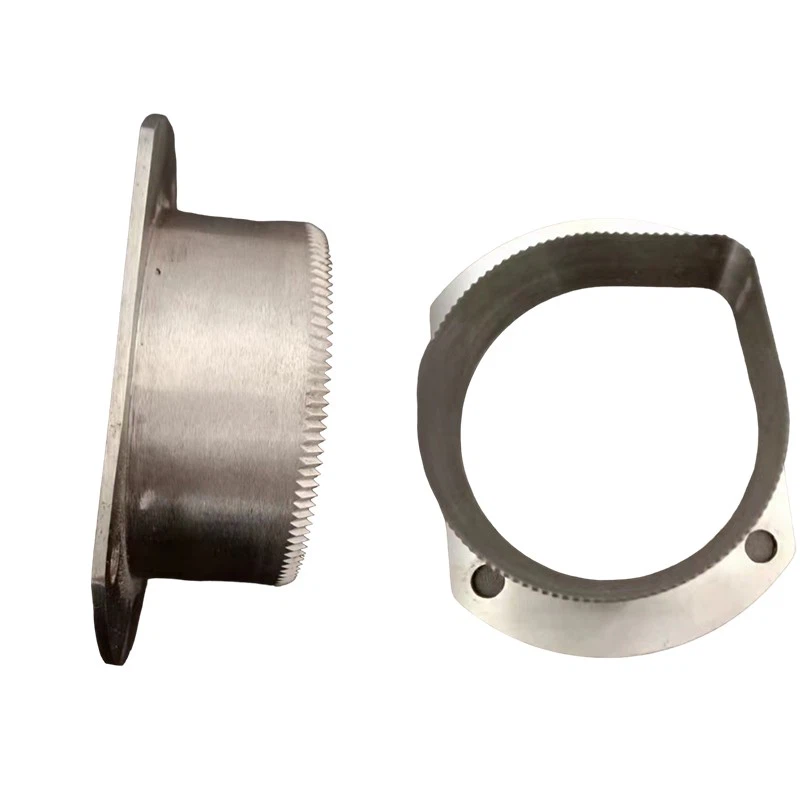
As a supplier of rubber cutting saw blades, I often get asked the question: "How long does a rubber cutting saw blade last?" This is a crucial query for businesses in the rubber processing industry, as the lifespan of a saw blade directly impacts production efficiency, cost, and overall product quality. In this blog post, I'll delve into the factors that influence the longevity of rubber cutting saw blades and provide some practical tips to extend their service life.
Factors Affecting the Lifespan of Rubber Cutting Saw Blades
Blade Material
The material of the saw blade is one of the most significant factors determining its durability. High - quality materials can withstand the wear and tear associated with cutting rubber. For instance, blades made from high - speed steel (HSS) are known for their hardness and heat resistance. HSS blades can maintain their sharpness for a relatively long time, even when cutting through tough rubber compounds. Carbide - tipped blades are another popular choice. Carbide is extremely hard and wear - resistant, which allows these blades to last much longer than standard HSS blades, especially when dealing with abrasive rubber materials. However, carbide - tipped blades are generally more expensive.
Rubber Type
The type of rubber being cut also plays a vital role in the blade's lifespan. Soft rubbers, such as natural rubber or some types of silicone rubber, are relatively easy to cut and cause less wear on the saw blade. On the other hand, hard rubbers, like EPDM (ethylene propylene diene monomer) or nitrile rubber, are more abrasive and can quickly dull the blade. Additionally, rubber compounds that contain fillers, such as carbon black or silica, can be particularly harsh on the blade, as these fillers increase the abrasiveness of the rubber.
Cutting Conditions
The cutting conditions, including the cutting speed, feed rate, and cutting pressure, have a significant impact on the blade's longevity. If the cutting speed is too high, the blade may overheat, which can lead to a loss of hardness and premature wear. Similarly, if the feed rate is too fast, the blade may experience excessive stress, causing it to chip or break. Maintaining the right balance between cutting speed and feed rate is essential for maximizing the blade's lifespan. Cutting pressure also matters; applying too much pressure can cause the blade to wear out faster, while too little pressure may result in inefficient cutting.
Blade Maintenance
Proper blade maintenance is crucial for extending its lifespan. Regular cleaning of the blade after use can prevent the buildup of rubber residue, which can affect the blade's cutting performance. Lubrication is also important, especially when cutting rubber. Using a suitable lubricant can reduce friction between the blade and the rubber, which in turn reduces heat generation and wear. Additionally, inspecting the blade regularly for signs of damage, such as chips or dullness, and sharpening or replacing it as needed can help ensure optimal performance.
Typical Lifespan of Rubber Cutting Saw Blades
It's difficult to provide an exact lifespan for rubber cutting saw blades, as it depends on the factors mentioned above. However, in general, a well - maintained HSS blade used for cutting soft rubber under normal cutting conditions may last anywhere from a few hundred to a few thousand cuts. For carbide - tipped blades, the lifespan can be significantly longer, potentially lasting tens of thousands of cuts when used in appropriate applications.
In a production environment where large volumes of rubber are being cut, the blade may need to be replaced more frequently. For example, in a rubber molding plant that cuts rubber sheets on a daily basis, a blade may need to be replaced every few weeks or months, depending on the production volume and the type of rubber being cut.
Tips to Extend the Lifespan of Rubber Cutting Saw Blades
Choose the Right Blade
Selecting the appropriate blade for the specific rubber cutting application is crucial. Consider the type of rubber, the cutting requirements, and the budget when choosing a blade. For abrasive rubbers, a carbide - tipped blade may be a better investment in the long run, despite its higher upfront cost.
Optimize Cutting Parameters
Work with your equipment operator to optimize the cutting speed, feed rate, and cutting pressure. This may require some trial and error, but finding the right combination can significantly extend the blade's lifespan. Consult the blade manufacturer's guidelines for recommended cutting parameters.
Implement Regular Maintenance
Establish a regular maintenance schedule for the saw blades. This should include cleaning, lubrication, and inspection. Train your operators on proper blade maintenance procedures to ensure consistency.
Store Blades Properly
When not in use, store the blades in a dry, clean environment. Protect them from moisture, which can cause rust, and from physical damage. Using blade storage cases or racks can help keep the blades in good condition.
Related Products
If you're in the market for other types of blades, we also offer V Type Packaging Machine Blades, Cake Cutting Machine Blades, and Non-standard Blades. These blades are designed to meet the specific needs of different industries and applications.


Conclusion
The lifespan of a rubber cutting saw blade is influenced by multiple factors, including blade material, rubber type, cutting conditions, and maintenance. By understanding these factors and implementing the tips mentioned above, you can extend the lifespan of your blades, reduce costs, and improve production efficiency.
If you're interested in learning more about our rubber cutting saw blades or have any questions regarding blade selection, maintenance, or application, we encourage you to contact us for a detailed discussion. Our team of experts is ready to assist you in finding the best solutions for your rubber cutting needs.
References
- ASM Handbook Volume 1: Properties and Selection: Irons, Steels, and High - Performance Alloys. ASM International.
- Machinery's Handbook, 31st Edition. Industrial Press Inc.