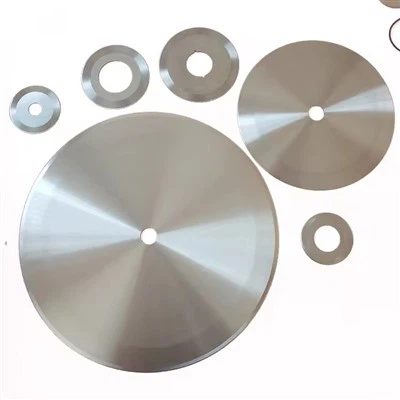
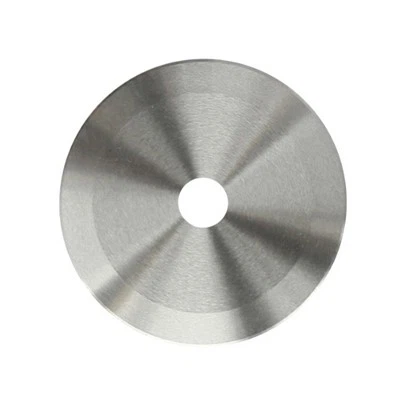
Hey there! As a supplier of laminating machine blades, I've seen firsthand how crucial it is to get the cutting pressure just right. In this blog post, I'll share some tips on how to adjust the cutting pressure of a laminating machine blade, so you can achieve the best results every time.
Why Adjusting Cutting Pressure Matters
Before we dive into the how-to, let's talk about why adjusting the cutting pressure is so important. The right cutting pressure ensures clean, precise cuts, which is essential for a high-quality laminating job. If the pressure is too low, the blade may not cut through the material completely, leaving behind ragged edges or uncut sections. On the other hand, if the pressure is too high, it can cause the blade to wear out faster, damage the material, or even break the blade. So, finding the optimal cutting pressure is key to getting the most out of your laminating machine and blades.
Factors Affecting Cutting Pressure
Several factors can affect the cutting pressure required for a laminating job. Here are some of the most important ones to consider:
- Material Thickness: Thicker materials generally require more cutting pressure than thinner ones. For example, cutting through a thick cardboard laminate will need more force than cutting a thin plastic film.
- Material Hardness: Harder materials, such as metals or certain plastics, also need higher cutting pressure. Softer materials, like paper or fabric, can be cut with less pressure.
- Blade Sharpness: A sharp blade will require less pressure to cut through the material compared to a dull one. Regularly sharpening or replacing your blades can help maintain the right cutting pressure.
- Machine Type and Condition: Different laminating machines have different capabilities and may require different cutting pressures. Additionally, the condition of the machine, including the alignment of the blade and the tension of the cutting mechanism, can affect the pressure needed.
How to Adjust the Cutting Pressure
Now that you understand the importance of cutting pressure and the factors that affect it, let's get into the steps for adjusting the cutting pressure on your laminating machine.
Step 1: Read the Machine Manual
The first step is to consult your laminating machine's manual. The manual will provide specific instructions on how to adjust the cutting pressure for your particular model. It may also include recommended pressure settings for different materials. Make sure to follow these instructions carefully to avoid damaging the machine or the blades.
Step 2: Start with a Test Cut
Before making any major adjustments, it's a good idea to do a test cut on a scrap piece of the same material you'll be using for your project. This will give you an idea of the current cutting pressure and whether it needs to be adjusted. If the cut is clean and precise, you may not need to make any changes. However, if the cut is ragged or incomplete, you'll need to adjust the pressure.
Step 3: Locate the Pressure Adjustment Mechanism
Most laminating machines have a pressure adjustment mechanism, which can be a knob, lever, or screw. Refer to your machine's manual to find the exact location of this mechanism. Once you've located it, you can start making adjustments.


Step 4: Make Small Adjustments
When adjusting the cutting pressure, it's best to make small, incremental changes. This will allow you to fine-tune the pressure and avoid overshooting the optimal setting. After each adjustment, do another test cut to see if the quality of the cut has improved.
Step 5: Monitor the Blade and Material
As you make adjustments, keep an eye on the blade and the material. If the blade starts to wear out quickly or if the material is being damaged, it may be a sign that the pressure is too high. On the other hand, if the cut is still not clean, the pressure may need to be increased.
Step 6: Repeat the Process
Adjusting the cutting pressure is often an iterative process. You may need to make several adjustments and test cuts before you find the perfect pressure for your specific material and machine. Be patient and keep making small changes until you achieve the desired results.
Additional Tips for Maintaining the Right Cutting Pressure
Here are some additional tips to help you maintain the right cutting pressure and get the most out of your laminating machine and blades:
- Regularly Inspect and Maintain Your Machine: Keeping your laminating machine in good condition is essential for maintaining the right cutting pressure. Regularly inspect the machine for any signs of wear or damage, and perform routine maintenance tasks, such as cleaning and lubricating the cutting mechanism.
- Use the Right Blades: Using the correct blades for your material and machine is crucial. Different blades are designed for different applications and materials, so make sure to choose the right ones for your project. You can check out our Harvester Blade, Medicine Bag Packaging Cutter, and PE Film Slitting Blade for high-quality options.
- Keep the Blades Sharp: A sharp blade will require less pressure to cut through the material and will also produce cleaner cuts. Regularly sharpen or replace your blades to maintain their sharpness.
- Store the Blades Properly: Proper storage of your blades can help prevent them from becoming dull or damaged. Store the blades in a dry, clean place, and protect them from moisture and other contaminants.
Conclusion
Adjusting the cutting pressure of a laminating machine blade is an important skill that can help you achieve high-quality laminating results. By understanding the factors that affect cutting pressure, following the steps for adjustment, and implementing the additional tips, you can ensure that your laminating machine and blades are performing at their best.
If you have any questions about adjusting the cutting pressure or need help choosing the right blades for your laminating machine, don't hesitate to reach out. We're here to help you get the most out of your laminating equipment. Contact us today to start a conversation about your specific needs and let's work together to find the perfect solutions for your laminating projects.
References
- Manufacturer's manuals for laminating machines
- Industry best practices for laminating and blade cutting