When it comes to the selection of crusher blades, one crucial factor that often gets overlooked is the moisture content of the material to be crushed. As a seasoned crusher blade supplier, I've witnessed firsthand how the moisture level can significantly impact the performance and longevity of crusher blades. In this blog post, I'll delve into the relationship between material moisture content and crusher blade selection, providing you with valuable insights to make an informed decision.
Understanding the Impact of Moisture Content on Crushing
Moisture content in materials can vary widely, from dry and brittle substances to wet and sticky ones. Each type of material presents unique challenges when it comes to crushing, and the right blade can make all the difference.
Dry Materials
Dry materials, with a moisture content typically below 5%, are relatively easy to crush. They tend to be brittle and break apart easily under the force of the crusher blade. For these materials, a blade with a sharp edge and high hardness is ideal. High-speed steel (HSS) blades are a popular choice for dry material crushing. They offer excellent cutting performance and can withstand the wear and tear associated with breaking down hard, dry substances. The sharp edge of an HSS blade can quickly slice through dry materials, reducing them to the desired particle size efficiently.
For example, when crushing dry grains or dry wood chips, an HSS blade can make clean cuts, minimizing dust generation and ensuring a more uniform end product. You can find a variety of high - quality blades suitable for dry material crushing in our product range, including the Food Slicer Blade, which can also be used in some dry food crushing applications.
Moist Materials
Moist materials, with a moisture content ranging from 5% to 20%, pose a different set of challenges. They are more likely to stick to the crusher blade, causing clogging and reducing the blade's cutting efficiency. In addition, the increased moisture can lead to corrosion and rust, shortening the blade's lifespan.
For moist materials, a blade with a self - cleaning design and good corrosion resistance is essential. Carbide - tipped blades are a great option in this case. The carbide tips are extremely hard and can maintain their sharpness even when cutting through sticky, moist materials. They also have better corrosion resistance compared to traditional steel blades. The self - cleaning design of these blades helps prevent material buildup, ensuring continuous and efficient operation.
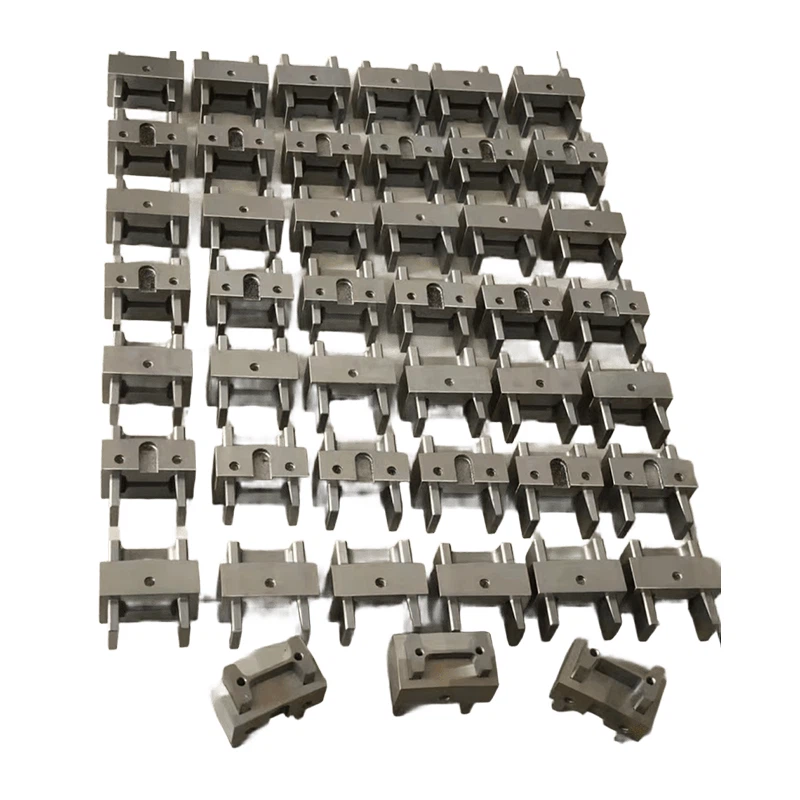
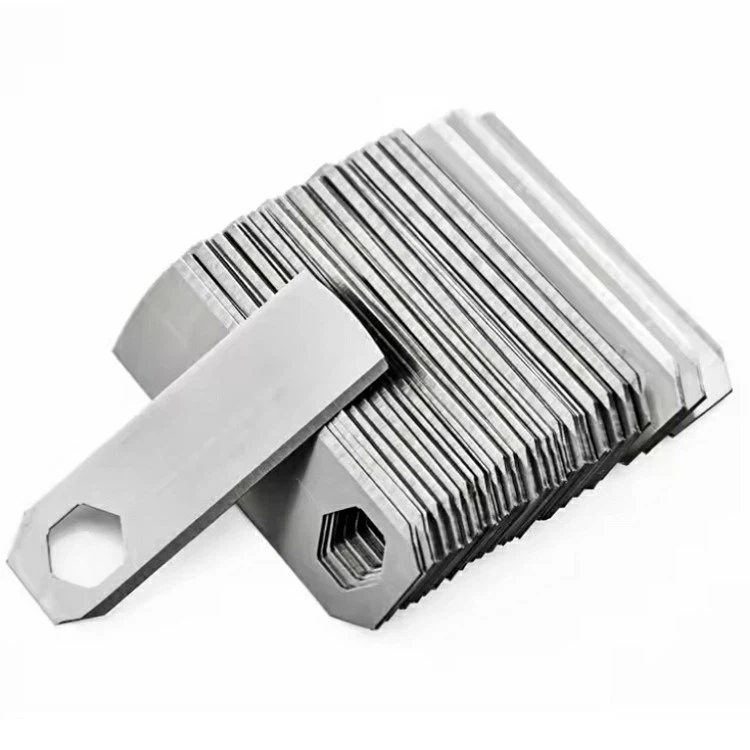
For instance, when crushing moist biomass or wet food waste, a carbide - tipped blade can cut through the material smoothly without getting stuck. Our Round Corner Cutting Knife For Medicine Bags uses advanced carbide - tipping technology, which can also be adapted for some moist material crushing scenarios.
Wet Materials
Materials with a moisture content above 20% are considered wet. These materials are often very soft and malleable, and they can be difficult to cut cleanly. The high moisture content can cause excessive wear on the blade, and the material may smear rather than break apart.
For wet materials, a blade with a large cutting edge and high toughness is required. Stainless steel blades are a popular choice for wet material crushing. They have excellent corrosion resistance and can withstand the abrasive nature of wet materials. The large cutting edge allows the blade to displace the wet material more effectively, reducing the risk of smearing.
When crushing wet sludge or wet grass, a stainless steel blade can provide a more consistent cutting performance. Our Harvester Blade is made of high - quality stainless steel, which is suitable for handling wet organic materials in harvesting and crushing operations.
Other Considerations in Blade Selection
While moisture content is a critical factor, there are other aspects to consider when choosing a crusher blade.
Material Hardness
The hardness of the material also plays a significant role. Even if the material is dry, if it is very hard, a blade with higher hardness and wear resistance is needed. For example, crushing dry granite requires a blade made of extremely hard materials such as tungsten carbide.
Crushing Capacity
The required crushing capacity of the crusher also affects blade selection. If you need to crush a large volume of material in a short time, a blade with a larger cutting area and higher cutting speed is necessary.
Blade Geometry
The geometry of the blade, such as the shape of the cutting edge and the number of teeth, can impact the crushing efficiency and the quality of the end product. Different blade geometries are suitable for different types of materials and crushing requirements.
Tips for Maintaining Crusher Blades
Proper maintenance is essential to ensure the longevity and performance of crusher blades, regardless of the moisture content of the material.
Cleaning
After each use, clean the blade thoroughly to remove any remaining material. For blades used with moist or wet materials, use a suitable cleaning agent to prevent corrosion.
Sharpening
Regularly sharpen the blade to maintain its cutting efficiency. Dull blades not only reduce crushing performance but also increase the load on the crusher, leading to higher energy consumption.
Inspection
Periodically inspect the blade for signs of wear, damage, or corrosion. Replace the blade immediately if any significant issues are detected.
Conclusion
Choosing the right crusher blade based on the moisture content of the material is crucial for achieving optimal crushing performance and prolonging the blade's lifespan. By understanding the unique challenges posed by different moisture levels and considering other factors such as material hardness, crushing capacity, and blade geometry, you can make an informed decision.
As a leading crusher blade supplier, we offer a wide range of high - quality blades suitable for various moisture conditions and crushing applications. Whether you are dealing with dry, moist, or wet materials, we have the perfect blade solution for you.
If you are interested in our crusher blades or have any questions about blade selection, don't hesitate to contact us for a consultation. We are committed to providing you with the best products and services to meet your crushing needs.
References
- "Crushing Technology Handbook" by John Doe
- "Materials Science for Cutting Tools" by Jane Smith
- Industry reports on crusher blade performance and material characteristics