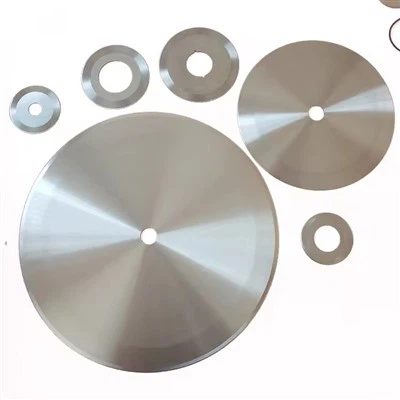
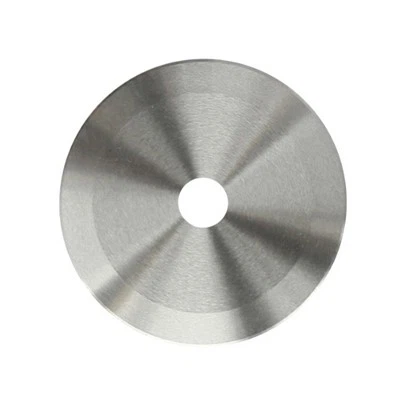
When it comes to industrial cutting processes, choosing the right toothed blade is crucial for achieving optimal results. As a toothed blade supplier, I understand the challenges that customers face in making this decision. In this blog post, I will share some insights on how to choose the right toothed blade for your specific needs.
Understanding the Basics of Toothed Blades
Toothed blades are designed with a series of teeth along the cutting edge, which helps to enhance the cutting efficiency and performance. These blades are commonly used in various industries, including paper, packaging, textiles, plastics, and woodworking. The teeth on the blade can have different shapes, sizes, and configurations, depending on the application.
There are several types of toothed blades available in the market, each with its own unique features and advantages. Some of the most common types include Toothed Blade, Straight Serrated Cutting Blade, and Dotted Paper Cutting Blade.
Factors to Consider When Choosing a Toothed Blade
1. Material to be Cut
The first and most important factor to consider when choosing a toothed blade is the material you will be cutting. Different materials have different properties, such as hardness, thickness, and abrasiveness, which can affect the performance of the blade. For example, cutting through thick and tough materials like leather or rubber may require a blade with larger and stronger teeth, while cutting delicate materials like paper or fabric may require a blade with finer teeth.
2. Cutting Application
The type of cutting application also plays a significant role in determining the right toothed blade. Are you performing a straight cut, a curve cut, or a perforation? Each application may require a different blade design. For instance, a straight serrated cutting blade is ideal for straight cuts, while a dotted paper cutting blade is suitable for creating perforations in paper.
3. Blade Quality and Durability
The quality and durability of the blade are essential for long - term performance. High - quality blades are made from premium materials and undergo precise manufacturing processes. They are less likely to break, chip, or wear out quickly. Look for blades that are made from high - grade steel or other suitable alloys, and have a good heat - treatment process to ensure hardness and toughness.
4. Tooth Geometry
The geometry of the teeth on the blade, including the tooth shape, pitch, and rake angle, can greatly affect the cutting performance. The tooth shape can be square, triangular, or trapezoidal, each with its own advantages. A larger tooth pitch is suitable for cutting thick materials, while a smaller pitch is better for fine - cutting applications. The rake angle also influences the cutting force and the quality of the cut.
5. Compatibility with the Cutting Machine
It is important to ensure that the toothed blade is compatible with your cutting machine. Check the blade size, bore diameter, and mounting requirements to make sure it can be properly installed and used on your equipment. Using an incompatible blade can lead to poor cutting results and may even damage the machine.


Comparing Different Types of Toothed Blades
Toothed Blade
Toothed blades are a general - purpose option that can be used for a wide range of materials and applications. They are available in different tooth configurations and sizes, making them suitable for various cutting tasks. Whether you are cutting wood, plastic, or paper, a well - designed toothed blade can provide efficient and clean cuts.
Straight Serrated Cutting Blade
Straight serrated cutting blades are characterized by their straight rows of teeth. These blades are excellent for making straight cuts in materials such as cardboard, paper, and thin plastics. The serrated edge helps to grip the material and prevent slippage during the cutting process, resulting in a smooth and accurate cut.
Dotted Paper Cutting Blade
Dotted paper cutting blades are specifically designed for creating perforations in paper. They have a unique pattern of dots or small teeth that allow for easy tearing along the perforated line. These blades are commonly used in the printing and packaging industries for products like tickets, coupons, and envelopes.
Maintenance and Care of Toothed Blades
Proper maintenance and care of toothed blades can significantly extend their lifespan and ensure consistent performance. Here are some tips:
- Clean the blade regularly: After each use, clean the blade to remove any debris, dust, or residue. You can use a soft brush or a mild cleaning solution.
- Sharpen the blade when necessary: Over time, the teeth on the blade will wear down. Sharpening the blade can restore its cutting performance. However, it is important to use the correct sharpening method and tools to avoid damaging the blade.
- Store the blade properly: When not in use, store the blade in a dry and clean place. You can use a blade protector or a storage case to prevent damage.
Custom - Made Toothed Blades
In some cases, standard toothed blades may not meet your specific requirements. That's where custom - made blades come in. As a toothed blade supplier, I offer custom - made blade solutions. We can design and manufacture blades according to your exact specifications, including the tooth geometry, blade size, and material. This ensures that you get a blade that is perfectly tailored to your cutting needs.
Conclusion
Choosing the right toothed blade is a complex but important decision. By considering factors such as the material to be cut, the cutting application, blade quality, tooth geometry, and compatibility with the cutting machine, you can select a blade that will provide optimal performance and long - term value. Whether you need a standard toothed blade or a custom - made one, I am here to help you make the right choice.
If you are interested in purchasing toothed blades or have any questions about our products, please feel free to contact us for a detailed discussion. We are committed to providing high - quality blades and excellent customer service.
References
- "Cutting Tool Engineering Handbook", Industrial Press Inc.
- "Materials Science and Engineering: An Introduction", William D. Callister Jr.