Hey there! As a toothed cutter supplier, I get asked a ton about how to tell if a toothed cutter is worn out. It's a super important question, 'cause using a worn - out cutter can lead to all sorts of problems, like poor cutting quality and even potential damage to your machinery. So, let's dive right in and talk about how you can detect if your toothed cutter needs replacing.
Visual Inspection
One of the easiest ways to start checking for wear is with a simple visual inspection. Take a good look at the teeth of the cutter. If they're looking chipped or broken, that's a big red flag. Chipped teeth won't cut smoothly, and you might notice that the material you're cutting isn't getting a clean edge. Over time, these chips can also cause the cutter to vibrate more, which can put extra stress on your equipment.
Another thing to look for is excessive dullness. The teeth of a good toothed cutter should be sharp and well - defined. If you notice that the tips of the teeth are rounded off, it probably means the cutter has been used a lot and is starting to lose its edge. You can also try running your finger gently across the teeth (be super careful though, 'cause they can still be pretty sharp). If you don't feel that distinct "bite," it's likely that the cutter is worn.
Cutting Performance
The way the cutter performs during operation can tell you a whole lot about its condition. If you've noticed a decrease in cutting efficiency, it could be a sign of wear. For example, if it used to take only a few passes to cut through a particular material, and now it's taking multiple passes or a lot more force, the cutter might be worn out.
Also, pay attention to the quality of the cut. A worn - out toothed cutter can leave rough edges, burrs, or uneven cuts on the material. If you're working on a project that requires precision, these imperfections can be a real problem. You might also hear strange noises during the cutting process. Excessive rattling, screeching, or grinding can indicate that the cutter isn't functioning properly, and wear could be the culprit.
Material Deposits
Sometimes, materials can build up on the teeth of the toothed cutter. This is especially common when cutting certain types of plastics or soft metals. If you notice a significant amount of material sticking to the cutter, it can affect its performance. The deposits can change the shape of the teeth and prevent them from making clean cuts. In some cases, the build - up can also cause the cutter to overheat, which can further accelerate wear.
Measuring Wear
For a more accurate assessment, you can use some measuring tools. For example, a micrometer can be used to measure the thickness of the cutter at different points. If you notice a significant difference in thickness compared to when the cutter was new, it's likely that it has worn down. You can also measure the height of the teeth. Over time, the teeth will gradually wear down, and if they fall below a certain height, the cutter should be replaced.
Types of Toothed Cutters and Their Wear Patterns
Different types of toothed cutters have different wear patterns. For instance, a Straight Serrated Cutting Blade is often used for straight - line cutting. These blades can wear at the tips of the serrations, which can lead to a decrease in cutting performance. The serrations might become less defined, and the blade may not be able to grip the material as well.
Charter Machine Blade is another common type. These are typically used in more heavy - duty applications. They can wear at the edges and along the length of the blade. If the edges start to show signs of cracking or excessive dullness, it's time to think about a replacement.
The T Type Packaging Machine Blade is designed for specific packaging applications. Wear on these blades can affect the precision of the cuts in packaging materials. You might notice that the blade starts to tear the material instead of making clean cuts if it's worn.
Importance of Regular Maintenance and Inspection
Regular maintenance and inspection are key to detecting wear early. By establishing a routine, you can catch problems before they turn into major issues. This not only saves you from potential downtime but also extends the lifespan of your toothed cutters.
Make it a habit to clean the cutters after each use. This helps prevent material build - up and allows you to visually inspect them more easily. You can also lubricate the cutters according to the manufacturer's recommendations. Lubrication reduces friction, which in turn reduces wear.
When to Replace the Toothed Cutter
So, when should you actually replace the toothed cutter? Well, it depends on a few factors. If you've noticed a significant decrease in cutting quality, and you've tried other remedies like sharpening or cleaning, it's probably time for a new one. Also, if the cutter shows signs of major damage, like large chips or cracks, it's not safe to continue using it.

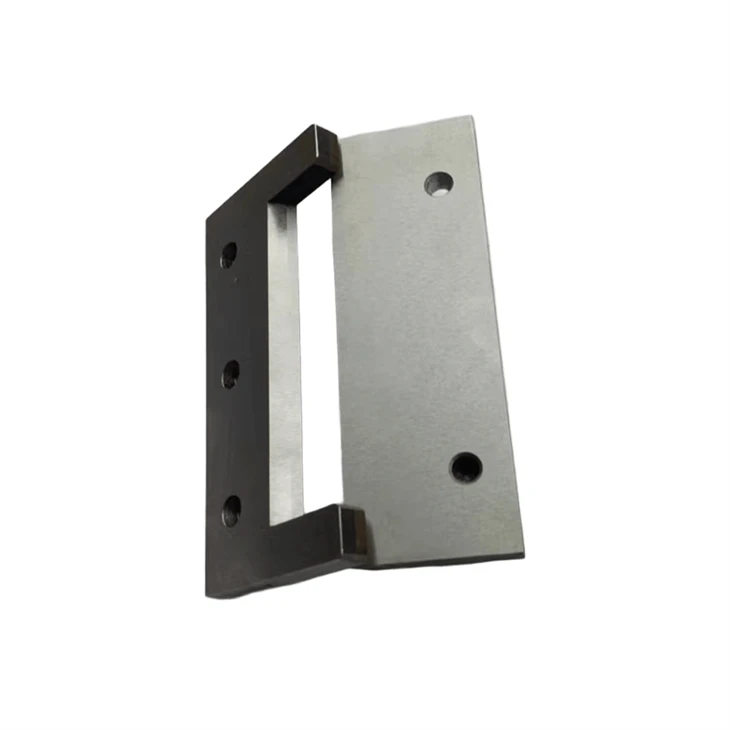
Another thing to consider is the frequency of use. If you're using the cutter on a daily basis in a high - volume operation, it's likely to wear out faster than if it's used occasionally. In high - volume settings, it's a good idea to have a schedule for replacing cutters based on the number of cutting cycles.
Advantages of Using High - Quality Toothed Cutters
Investing in high - quality toothed cutters can make a big difference. These cutters are made from better materials and are designed to last longer. They are also less likely to wear out quickly, which means you'll have to replace them less often. This can save you money in the long run, as you won't have to keep buying new cutters.
High - quality cutters also provide better cutting performance. They can make cleaner, more precise cuts, which is essential for many applications. Whether you're working in the manufacturing, packaging, or any other industry that requires cutting, using a good - quality toothed cutter can improve the overall quality of your work.
Conclusion
In conclusion, detecting if a toothed cutter is worn out involves a combination of visual inspection, monitoring cutting performance, and using measuring tools. By being aware of the wear patterns specific to different types of toothed cutters, and by implementing a regular maintenance and inspection routine, you can ensure that your cutters are in good condition.
If you think it's time to upgrade or replace your toothed cutters, I'm here to help. As a toothed cutter supplier, I can provide you with a wide range of high - quality options to meet your specific needs. Feel free to get in touch with me to start the procurement and negotiation process. Let's work together to find the best toothed cutters for your operations!
References
- General industrial machinery manufacturing handbooks
- Technical references on cutting tools and blade technology