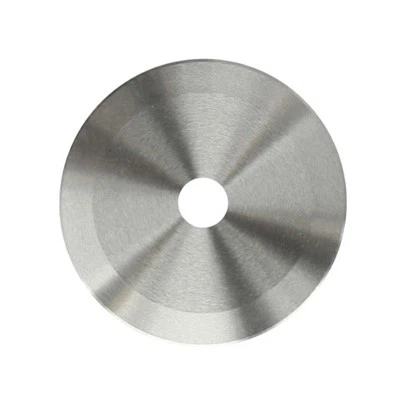
Hey there! I'm a supplier in the cnc machining die business. In this blog, I'll share some tips on how to ensure the stability of the cnc machining die process.
First off, let's talk about what cnc machining die is. CNC Machining Die is a crucial part in various industries. You can learn more about it here: CNC Machining Die. It uses computer - numerical - control technology to precisely shape and form dies. This technology allows for high - precision work, which is super important when making dies for different products.
1. Equipment Maintenance
One of the key factors in ensuring the stability of the cnc machining die process is proper equipment maintenance. Our cnc machines are like the heart of the operation. Regularly checking and maintaining them can prevent a whole bunch of issues.
For example, the cutting tools need to be inspected frequently. Dull or damaged tools can lead to inaccurate cuts and poor - quality dies. We should set a schedule to replace these tools based on their usage and wear. Also, the machine's lubrication system is vital. If the machine isn't properly lubricated, it can overheat, and that can cause all sorts of problems, like misalignment and reduced precision.
We need to clean the machine regularly too. Dust and debris can accumulate over time and interfere with the machine's moving parts. A clean machine runs more smoothly and has a longer lifespan.
2. Material Selection
The material we choose for the die has a huge impact on the stability of the machining process. Different materials have different properties, such as hardness, toughness, and heat resistance.
For instance, if we're making a Leather Cutting Die, we need a material that can withstand the repeated cutting forces without getting dull quickly. High - carbon steel is often a good choice for this type of die because it's hard and can hold a sharp edge.
On the other hand, when making a Packaging Box Knife Mold, we might need a material that's more flexible and can conform to the shape of the box. Stainless steel could be a better option here as it has good corrosion resistance and can be easily shaped.
We also need to make sure the material is of high quality. Poor - quality materials can have internal defects, like cracks or impurities, which can lead to problems during machining and affect the final quality of the die.
3. Operator Training
Even the best machines and materials won't work well if the operators don't know what they're doing. That's why operator training is so important.
Operators should be well - trained in operating the cnc machines. They need to understand how to set up the machine correctly, including programming the cutting paths and adjusting the machine parameters. They should also know how to troubleshoot common problems that might occur during the machining process.
We can organize regular training sessions for our operators. These sessions can cover new techniques, safety procedures, and how to handle different materials. By keeping our operators up - to - date with the latest knowledge and skills, we can ensure that the cnc machining die process runs smoothly.
4. Process Monitoring
Monitoring the machining process is essential for stability. We can use sensors and monitoring systems to keep an eye on various parameters, such as temperature, vibration, and cutting force.
If the temperature of the machine starts to rise too high, it could indicate a problem, like a lack of lubrication or a dull cutting tool. By detecting this early, we can take corrective actions before it causes any serious damage.
Vibration is another important parameter. Excessive vibration can lead to poor surface finish and inaccurate cuts. If we notice abnormal vibration, we need to find out the cause, whether it's due to a loose part or an unbalanced cutting tool, and fix it right away.
Cutting force monitoring can also tell us a lot about the machining process. If the cutting force is too high, it might mean that the cutting tool is worn out or the cutting parameters are set incorrectly. By adjusting these parameters, we can optimize the cutting process and improve the quality of the die.
5. Quality Control
Quality control is the final step in ensuring the stability of the cnc machining die process. We need to have a strict quality control system in place.
After the die is machined, we should inspect it thoroughly. We can use measuring tools, like calipers and micrometers, to check the dimensions of the die. The dimensions need to be within the specified tolerance range.
We also need to check the surface finish of the die. A smooth surface finish is important for the performance of the die. Any scratches or rough spots can affect how the die works.
If we find any defects during the inspection, we need to take corrective actions. This could involve re - machining the die or even scrapping it if the defect is too severe.
6. Environmental Factors
The environment where the cnc machining takes place can also affect the stability of the process. The temperature and humidity in the workshop need to be controlled.
High temperatures can cause the machine and the material to expand, which can lead to dimensional inaccuracies. Low humidity can cause static electricity, which can attract dust and interfere with the machining process.
We can use air - conditioning and dehumidifiers to maintain a stable environment. This way, we can reduce the impact of environmental factors on the cnc machining die process.
In conclusion, ensuring the stability of the cnc machining die process requires a combination of proper equipment maintenance, material selection, operator training, process monitoring, quality control, and environmental control. By paying attention to these aspects, we can produce high - quality dies consistently.

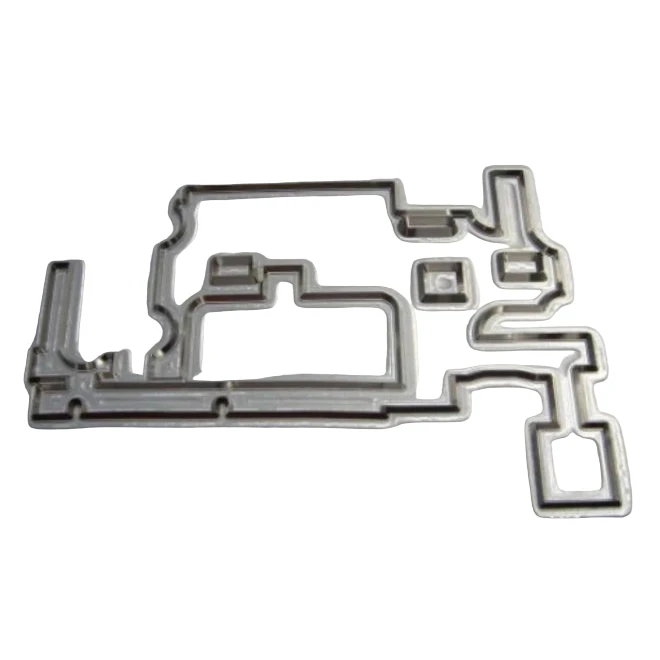
If you're in the market for cnc machining dies, whether it's for leather cutting or packaging box knife molds, we'd love to talk to you. Our team has years of experience in this field, and we're confident that we can provide you with the best - quality dies at a competitive price. So, don't hesitate to reach out for a purchase negotiation.
References
- "CNC Machining Handbook"
- "Materials Science for Die - Making"
- Industry reports on cnc machining technology