In the manufacturing and food processing industries, the efficiency of a charter machine blade is crucial for optimizing production processes and ensuring high - quality output. As a seasoned supplier of charter machine blades, I've witnessed firsthand the impact that efficient blade cutting can have on overall productivity. In this blog post, I'll share some valuable insights on how to improve the cutting efficiency of a charter machine blade.
Understanding the Basics of Charter Machine Blades
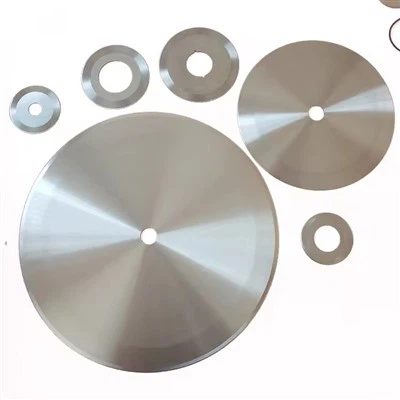
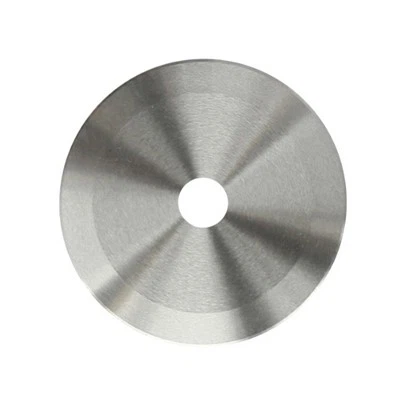
Before delving into the ways to improve cutting efficiency, it's essential to understand the different types of charter machine blades. There are various blades designed for specific applications, such as Cake Cutting Machine Blades, Jelly Machine Blade, and Filling Machine Tooth Cutting Blade. Each blade has unique characteristics and requirements based on the material it cuts and the cutting process involved.
The design of a blade plays a significant role in its cutting efficiency. Factors like blade geometry, tooth profile, and the sharpness of the cutting edge all contribute to how well a blade can cut through materials. For example, a blade with a well - designed tooth profile can reduce the force required to cut and prevent material from sticking to the blade, thus improving the overall cutting speed.
Selecting the Right Blade Material
The choice of blade material is fundamental to achieving high cutting efficiency. Different materials offer varying levels of hardness, toughness, and wear resistance. Common blade materials include high - speed steel (HSS), carbide, and ceramic.
High - speed steel is a popular choice for many charter machine blades due to its good combination of hardness and toughness. It can withstand high cutting speeds and is relatively easy to sharpen. However, it may not be the best option for cutting extremely hard or abrasive materials.


Carbide blades, on the other hand, are known for their exceptional hardness and wear resistance. They can maintain their sharpness for a longer time, even when cutting tough materials. This makes them ideal for applications where high - volume cutting is required.
Ceramic blades are extremely hard and can cut through materials with very low friction. They are often used in applications where precision cutting is necessary. However, ceramic blades are brittle and may require careful handling to avoid breakage.
When selecting a blade material, it's important to consider the type of material to be cut, the cutting speed, and the expected lifespan of the blade. By choosing the right material, you can significantly improve the cutting efficiency of your charter machine blade.
Proper Blade Installation and Alignment
Even the best - designed and highest - quality blade won't perform optimally if it's not installed correctly. Proper blade installation is essential for ensuring that the blade cuts accurately and efficiently.
First, make sure that the blade is installed securely in the machine. Loose blades can cause vibrations, which not only reduce cutting efficiency but also pose a safety risk. Check the mounting hardware and tighten it to the manufacturer's specifications.
Alignment is another critical factor. A misaligned blade can cause uneven cutting, increased wear on the blade, and poor - quality cuts. Use alignment tools to ensure that the blade is perfectly aligned with the cutting path. This may involve adjusting the blade holder or the machine's cutting guide.
Regular Blade Maintenance
Regular maintenance is key to maintaining the cutting efficiency of a charter machine blade. This includes sharpening, cleaning, and inspection.
Sharpening the blade at the right intervals is crucial. A dull blade requires more force to cut, which can slow down the cutting process and increase wear on the machine. The frequency of sharpening depends on the type of material being cut and the cutting volume. Use a high - quality sharpening tool and follow the manufacturer's instructions for sharpening the blade.
Cleaning the blade after each use is also important. Residue from the cut material can build up on the blade, affecting its cutting performance. Use a suitable cleaning agent to remove any debris and ensure that the blade is dry before storing it.
Inspect the blade regularly for signs of wear, damage, or deformation. If you notice any cracks, chips, or excessive wear, replace the blade immediately. Continuing to use a damaged blade can not only reduce cutting efficiency but also lead to more serious problems with the machine.
Optimizing Cutting Parameters
Adjusting the cutting parameters of your charter machine can also improve the cutting efficiency of the blade. These parameters include cutting speed, feed rate, and depth of cut.
The cutting speed refers to how fast the blade moves through the material. If the cutting speed is too slow, it can result in a longer cutting time and increased wear on the blade. On the other hand, if the cutting speed is too high, it can cause the blade to overheat and wear out quickly. Find the optimal cutting speed based on the type of material being cut and the blade material.
The feed rate is the speed at which the material is fed into the blade. A proper feed rate ensures that the blade cuts through the material smoothly without causing excessive force on the blade. If the feed rate is too slow, it can waste time, while a feed rate that is too high can cause the blade to break or produce poor - quality cuts.
The depth of cut determines how much material is removed in each pass of the blade. Choosing the right depth of cut depends on the thickness and hardness of the material, as well as the capabilities of the blade and the machine. A too - large depth of cut can overload the blade and the machine, while a too - small depth of cut can be inefficient.
Operator Training
Well - trained operators can significantly improve the cutting efficiency of charter machine blades. Operators should be familiar with the machine's operation, the proper use of the blade, and the importance of maintenance.
Provide comprehensive training to your operators on how to install, align, and maintain the blades. Teach them how to recognize signs of blade wear and when to replace the blade. Operators should also be trained to adjust the cutting parameters correctly based on the material being cut.
Encourage operators to report any issues or problems with the blade or the machine immediately. This allows for timely maintenance and can prevent more serious problems from occurring.
Conclusion
Improving the cutting efficiency of a charter machine blade is a multi - faceted process that involves selecting the right blade material, proper installation and alignment, regular maintenance, optimizing cutting parameters, and operator training. By paying attention to these aspects, you can ensure that your charter machine blades perform at their best, leading to increased productivity, higher - quality cuts, and reduced operating costs.
If you're looking for high - quality charter machine blades or need advice on improving the cutting efficiency of your blades, I'd be more than happy to assist you. Feel free to reach out to me to discuss your specific needs and start a procurement negotiation.
References
- "Cutting Tool Engineering Handbook", Industrial Press Inc.
- "Manufacturing Processes for Engineering Materials", Serope Kalpakjian and Steven Schmid