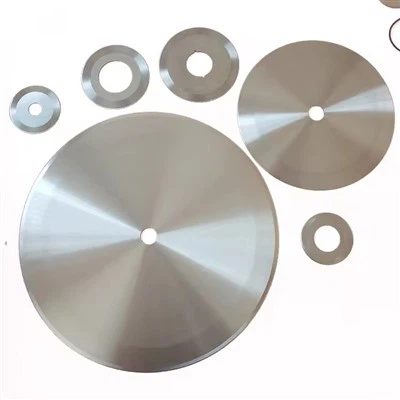
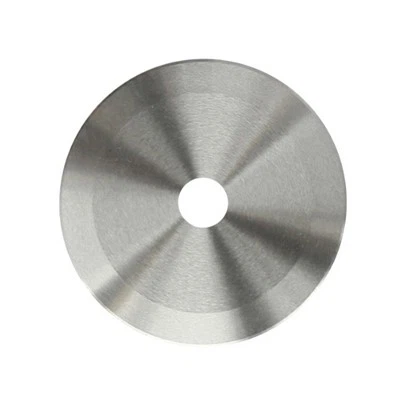
Hey there! As a supplier of CNC machining dies, I've seen firsthand how crucial productivity is in this industry. In this blog, I'm gonna share some tips on how to improve the productivity of CNC machining die operations.
1. Equipment Maintenance and Upgrades
First things first, keeping your CNC machines in top - notch condition is a must. Regular maintenance can prevent breakdowns and ensure that your machines are running at their best. This includes things like cleaning the machine regularly, checking and lubricating moving parts, and inspecting the cutting tools.
I remember once we had a machine that started producing inconsistent results. After a thorough check, we found out that the coolant system was clogged. Once we cleaned it, the machine went back to normal, and the productivity shot up.
Upgrading your equipment can also make a huge difference. Newer CNC machines often come with advanced features like faster processing speeds, better accuracy, and more user - friendly interfaces. If your budget allows, investing in an upgrade can pay off in the long run. For example, some of the latest machines have automatic tool changers, which can significantly reduce the time spent on manual tool changes.
2. Optimize Tooling
The right tools can make or break your CNC machining die operations. Choosing high - quality cutting tools is essential. They may cost more upfront, but they last longer and can cut more efficiently. For instance, carbide cutting tools are known for their hardness and wear resistance, which means they can maintain a sharp edge for a longer time.
Tool geometry also plays a big role. Different jobs require different tool geometries. You need to select the appropriate tool based on the material you're working with, the shape of the die, and the required finish. For example, a ball - nose end mill is great for machining curved surfaces, while a square - end mill is better for flat surfaces.
Another important aspect is tool management. Keep track of your tools' usage and lifespan. Implement a tool - changing schedule based on the number of cuts or the length of time the tool has been in use. This way, you can avoid using dull tools, which can slow down the machining process and affect the quality of the dies.
3. Streamline Workflow
A well - organized workflow can save a lot of time and effort. Start by analyzing your current workflow and identifying any bottlenecks. For example, if there's a long wait time between different machining operations, you need to figure out why. It could be due to inefficient scheduling or a lack of communication between different departments.
One way to streamline the workflow is to use a manufacturing execution system (MES). An MES can help you manage your production process from start to finish. It can track the progress of each job, manage inventory, and even generate reports. With an MES, you can have a better overview of your operations and make more informed decisions.
Group similar jobs together. Instead of jumping from one type of die to another, batch jobs that require the same tools or machining processes. This reduces the time spent on tool changes and machine setup. For example, if you have several leather cutting dies to make, do them all at once. You can check out our Leather Cutting Die page for more information on the types of leather cutting dies we offer.
4. Employee Training
Your employees are the heart of your CNC machining die operations. Providing them with proper training is crucial for improving productivity. Training should cover not only the operation of the CNC machines but also safety procedures, tool handling, and quality control.
New employees should go through a comprehensive on - the - job training program. This can include both theoretical and practical training. For experienced employees, offer continuous training to keep them updated on the latest technologies and techniques in the industry. For example, if there's a new software update for your CNC machines, make sure your employees know how to use it effectively.
Encourage your employees to share their ideas and experiences. They may have some great insights on how to improve the productivity of the operations. For instance, an employee who has been working on a particular type of die for a long time may have found a more efficient way to machine it.
5. Quality Control
Quality control is not just about ensuring that the final product meets the specifications. It also has a direct impact on productivity. By catching and correcting errors early in the process, you can avoid rework and scrap, which can waste a lot of time and resources.
Implement a quality control system that includes regular inspections at different stages of the machining process. Use measuring tools like calipers, micrometers, and coordinate measuring machines (CMMs) to check the dimensions of the dies. Set up quality control checkpoints at key points in the workflow, such as after rough machining and before finishing.
If you find a defect in a die, analyze the root cause. It could be due to a problem with the machine, the tool, or the operator. Once you identify the cause, take corrective actions to prevent it from happening again. This way, you can improve the overall quality of your products and increase productivity.
6. Use of Software
CNC machining dies rely heavily on software. CAD (Computer - Aided Design) and CAM (Computer - Aided Manufacturing) software can significantly improve the productivity of your operations.
CAD software allows you to design the dies in a virtual environment. You can create 3D models of the dies, test different designs, and make changes easily. This saves a lot of time compared to traditional manual design methods.
CAM software takes the CAD models and generates the toolpaths for the CNC machines. It can optimize the toolpaths to reduce machining time and improve the quality of the finished product. Some CAM software also has features like simulation, which allows you to visualize the machining process before it actually happens. This can help you identify any potential problems and make adjustments in advance.
We offer a wide range of CNC Machining Die products, and our team uses the latest CAD and CAM software to ensure high - quality and efficient production.
7. Supplier Relationships
Building good relationships with your suppliers is also important for improving productivity. A reliable supplier can ensure that you have a steady supply of high - quality materials and tools. They can also offer technical support and advice when needed.
Negotiate favorable terms with your suppliers, such as discounts for bulk purchases or shorter lead times. This can help you reduce costs and improve the efficiency of your operations. For example, if you can get your cutting tools delivered faster, you can reduce the downtime between jobs.
In addition, communicate regularly with your suppliers. Let them know about your production schedule and any special requirements you may have. This way, they can better meet your needs and help you improve the productivity of your CNC machining die operations.
Conclusion
Improving the productivity of CNC machining die operations is a continuous process. It requires a combination of equipment maintenance, tooling optimization, workflow streamlining, employee training, quality control, software use, and good supplier relationships. By implementing these tips, you can increase the efficiency of your operations, reduce costs, and improve the quality of your products.
If you're interested in our Packaging Box Knife Mold or other CNC machining die products, feel free to reach out to us for a procurement discussion. We'd be more than happy to work with you to meet your needs.


References
- "CNC Machining Handbook" by John Doe
- "Tooling for Precision Machining" by Jane Smith
- Industry reports from leading manufacturing associations