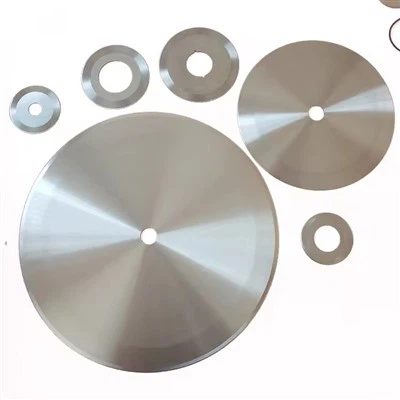
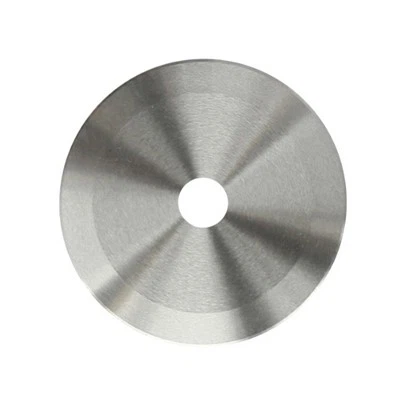
In the manufacturing and processing industries, the cutting process is a crucial step that significantly impacts the quality and efficiency of the final product. Non - standard blades have emerged as a game - changer in this regard, offering tailored solutions for a wide range of cutting requirements. As a non - standard blades supplier, I have witnessed firsthand how these specialized blades can revolutionize the cutting process. In this blog, I will share some insights on how to optimize the cutting process using non - standard blades.
Understanding the Advantages of Non - Standard Blades
Non - standard blades are designed to meet specific cutting needs that cannot be addressed by off - the - shelf blades. They offer several advantages over standard blades, including:
Customization
One of the primary benefits of non - standard blades is their ability to be customized. Every cutting application is unique, with different materials, thicknesses, and cutting requirements. Non - standard blades can be engineered to match these specific needs precisely. For example, if you are cutting a particular type of composite material, a non - standard blade can be designed with the right tooth geometry, blade material, and coating to ensure a clean and efficient cut.

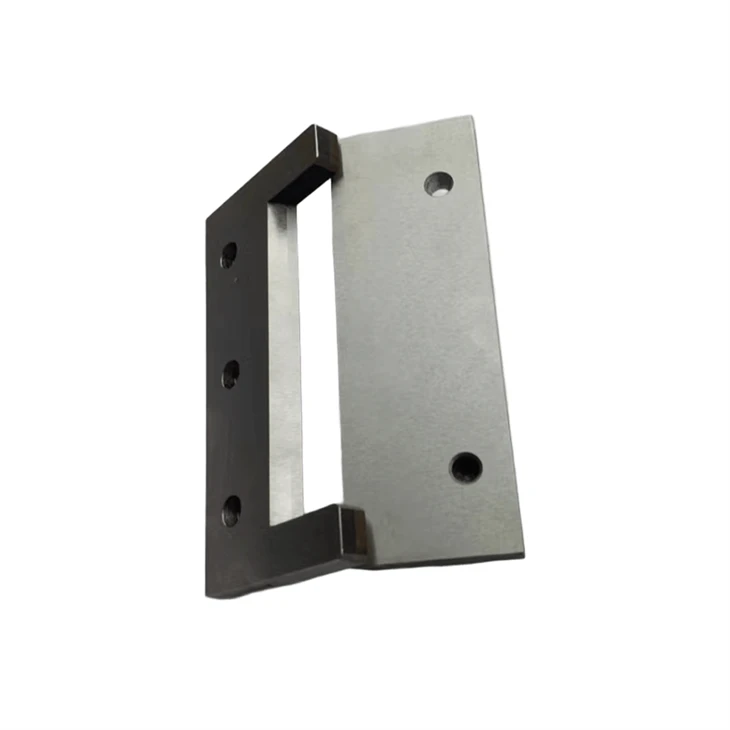
Improved Performance
Since non - standard blades are tailored to the specific cutting task, they often provide better performance than standard blades. They can cut through materials more smoothly, reducing the risk of chipping, cracking, or fraying. This results in higher quality finished products and fewer production errors. For instance, a Charter Machine Blade designed for a specific machine and material can significantly improve the cutting speed and accuracy compared to a generic blade.
Extended Blade Life
Properly designed non - standard blades can have a longer lifespan. By selecting the appropriate blade material and coating, and optimizing the blade geometry for the specific cutting application, the wear and tear on the blade can be minimized. This not only reduces the frequency of blade replacements but also lowers the overall cost of production.
Selecting the Right Non - Standard Blades
The first step in optimizing the cutting process with non - standard blades is to select the right blades for the job. Here are some factors to consider:
Material Compatibility
The blade material must be compatible with the material being cut. Different materials have different hardness, toughness, and abrasiveness. For example, cutting a hard metal like stainless steel requires a blade made of a high - speed steel or carbide, while cutting a soft material like paper or fabric may require a blade with a different composition. A Dotted Paper Cutting Blade is specifically designed for cutting paper and is made of a material that can ensure a clean and precise cut without damaging the paper.
Cutting Application
The type of cutting application also plays a crucial role in blade selection. Is it a straight cut, a curved cut, or a perforation? Different cutting applications require different blade geometries. For example, a circular blade may be suitable for straight cuts, while a serrated blade may be better for cutting through fibrous materials.
Machine Compatibility
The non - standard blades must be compatible with the cutting machine. Consider the size, speed, and power of the machine. The blade should be able to fit properly on the machine and operate safely and efficiently. For example, a Sealing Machine Blade must be designed to work in harmony with the sealing machine to ensure proper sealing and cutting.
Optimizing the Cutting Process
Once you have selected the right non - standard blades, there are several steps you can take to optimize the cutting process:
Blade Installation
Proper blade installation is essential for optimal performance. Make sure the blade is installed correctly on the machine, with the correct alignment and tension. Incorrect installation can lead to uneven cutting, premature blade wear, and even machine damage. Follow the manufacturer's instructions carefully during the installation process.
Cutting Parameters
Adjust the cutting parameters such as cutting speed, feed rate, and depth of cut to match the capabilities of the blade and the material being cut. Cutting too fast or too deep can cause excessive blade wear and poor cutting quality. On the other hand, cutting too slowly can reduce productivity. Experiment with different parameters to find the optimal settings for your specific application.
Blade Maintenance
Regular blade maintenance is crucial for extending the blade life and ensuring consistent cutting performance. Clean the blade regularly to remove any debris or residue that may accumulate during the cutting process. Sharpen the blade when it starts to show signs of dullness. A dull blade can increase the cutting force required, leading to higher energy consumption and poor cutting quality.
Operator Training
Ensure that the operators are properly trained in using the non - standard blades and the cutting machine. They should understand the importance of proper blade selection, installation, and maintenance. Training can also help operators identify potential problems early on and take appropriate measures to prevent them.
Case Studies
To illustrate the benefits of using non - standard blades in optimizing the cutting process, let's look at a few case studies:
Case Study 1: A Furniture Manufacturer
A furniture manufacturer was experiencing problems with chipping and splintering when cutting a new type of composite wood material. They switched to non - standard blades that were specifically designed for this material. The new blades had a unique tooth geometry and a special coating that reduced the friction and heat during the cutting process. As a result, the chipping and splintering were eliminated, and the cutting speed increased by 30%. This led to a significant improvement in the quality of the finished furniture and a reduction in production costs.
Case Study 2: A Packaging Company
A packaging company needed to cut a variety of different materials, including cardboard, plastic, and foil, with high precision. They invested in non - standard blades that could be easily adjusted for different cutting applications. By optimizing the cutting parameters and blade maintenance, they were able to achieve a 20% increase in productivity and a 15% reduction in blade replacement costs.
Conclusion
Non - standard blades offer a powerful solution for optimizing the cutting process in various industries. By understanding the advantages of non - standard blades, selecting the right blades for the job, and implementing proper cutting techniques and maintenance practices, you can significantly improve the quality and efficiency of your cutting operations. Whether you are a small - scale workshop or a large - scale manufacturing plant, non - standard blades can help you stay competitive in the market.
If you are interested in learning more about how our non - standard blades can optimize your cutting process, or if you have specific cutting requirements that you need help with, please feel free to contact us. We are committed to providing you with the best non - standard blade solutions tailored to your needs.
References
- Smith, J. (2018). Advanced Cutting Techniques in Manufacturing. Industrial Press.
- Johnson, M. (2020). Non - Standard Blade Design and Applications. Journal of Manufacturing Technology.
- Brown, A. (2019). Optimizing the Cutting Process for Different Materials. Manufacturing Insights.