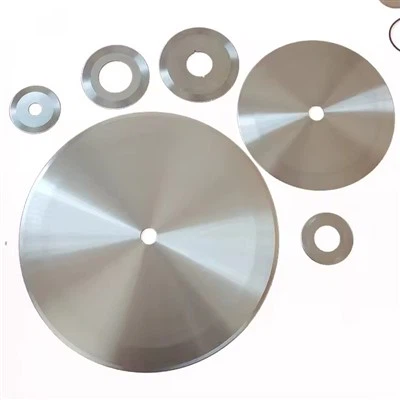
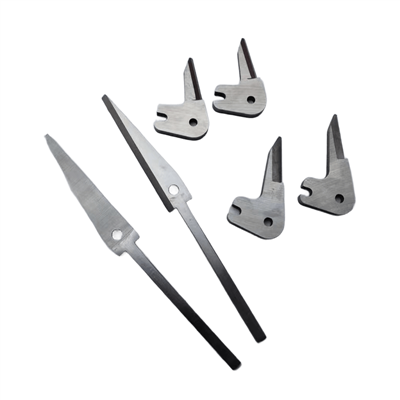
Hey there! As a supplier of laminating machine blades, I've dealt with all sorts of issues related to these blades over the years. One of the most common problems that customers often bring up is the vibration of the laminating machine blade. It's not just annoying; it can also affect the quality of the lamination and even shorten the lifespan of the blade. So, in this blog, I'm gonna share some tips on how to reduce the vibration of a laminating machine blade.
Understanding the Causes of Blade Vibration
Before we dive into the solutions, it's important to understand what causes the blade to vibrate in the first place. There are several factors that can contribute to this problem:
- Imbalance: If the blade is not balanced properly, it can cause uneven forces to act on it during rotation, leading to vibration. This could be due to manufacturing defects or wear and tear over time.
- Loose Mounting: A loose blade mounting can also result in vibration. When the blade is not securely attached to the machine, it can move around during operation, causing it to vibrate.
- Worn Bearings: The bearings that support the blade shaft can wear out over time. Worn bearings can cause the shaft to wobble, which in turn leads to blade vibration.
- Incorrect Blade Selection: Using the wrong type of blade for the laminating machine or the material being laminated can also cause vibration. For example, a blade that is too thick or too thin for the job may not cut smoothly, resulting in vibration.
Tips to Reduce Blade Vibration
Now that we know what causes the vibration, let's look at some ways to reduce it:
1. Balance the Blade
Balancing the blade is crucial to reducing vibration. You can use a blade balancer to check if the blade is balanced. If it's not, you can add or remove small weights to the blade to correct the imbalance. Some modern laminating machines even come with automatic blade balancing systems, which can make this process a lot easier.
2. Tighten the Mounting
Make sure the blade is securely mounted to the machine. Check the mounting bolts regularly and tighten them if they are loose. You can also use a torque wrench to ensure that the bolts are tightened to the correct specification. A proper and tight mounting will prevent the blade from moving around during operation and reduce vibration.
3. Replace Worn Bearings
If you suspect that the bearings are worn out, replace them as soon as possible. Worn bearings can cause a lot of problems, including vibration, noise, and even damage to the blade and the machine. You can find replacement bearings from the laminating machine manufacturer or a reliable parts supplier.
4. Select the Right Blade
Choosing the right blade for the job is essential. Consider the type of material you are laminating, the thickness of the material, and the speed of the laminating machine. Using a blade that is specifically designed for your application will ensure a smooth and vibration-free cutting operation. For example, if you are laminating thin materials, you may want to choose a thinner blade. On the other hand, if you are laminating thick materials, a thicker blade may be more suitable.
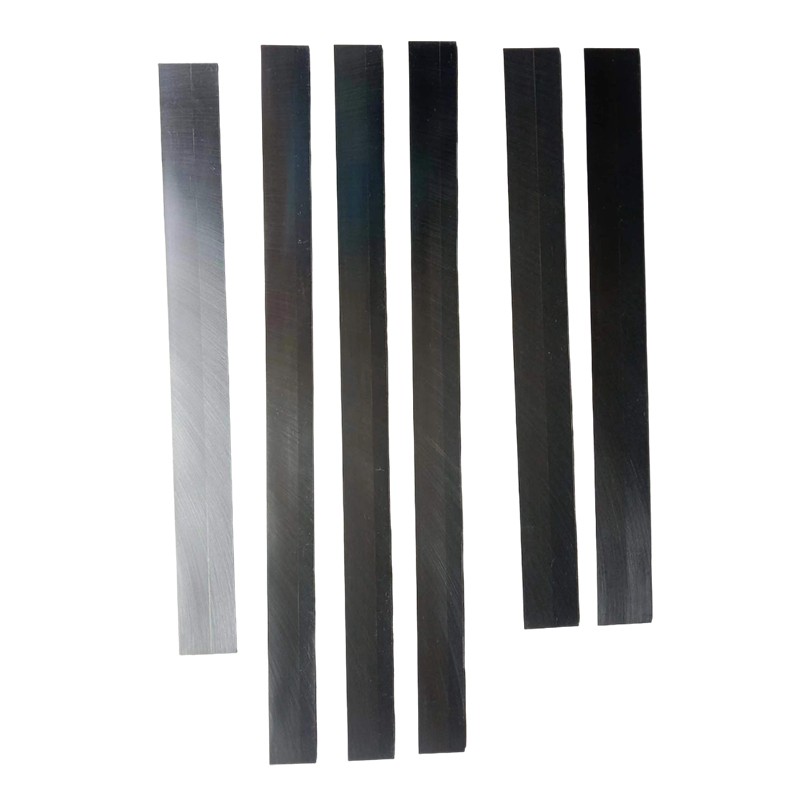
We offer a wide range of blades for different applications, such as the Easy-tear Cutting Blade, the Round Corner Cutting Knife For Medicine Bags, and the Woodworking Steel Planer Blade. These blades are made from high-quality materials and are designed to provide a smooth and efficient cutting performance.
5. Maintain the Machine
Regular maintenance of the laminating machine is also important to reduce blade vibration. Keep the machine clean and lubricated. Check the alignment of the blade and the machine components regularly. A well-maintained machine will operate more smoothly and reduce the chances of blade vibration.
Additional Considerations
In addition to the above tips, there are a few other things you can do to reduce blade vibration:
- Reduce the Cutting Speed: Sometimes, reducing the cutting speed of the laminating machine can help reduce vibration. A slower speed allows the blade to cut more smoothly through the material, reducing the chances of vibration.
- Use Anti-Vibration Pads: You can place anti-vibration pads under the laminating machine to absorb some of the vibration. These pads can help reduce the transfer of vibration from the machine to the surrounding environment.
- Check the Material Feed: Make sure the material being laminated is fed evenly into the machine. Uneven material feed can cause the blade to cut unevenly, resulting in vibration. You can use guides or rollers to ensure that the material is fed smoothly and evenly.
Conclusion
Reducing the vibration of a laminating machine blade is essential for ensuring a smooth and efficient laminating process. By following the tips mentioned above, you can significantly reduce blade vibration and improve the quality of your laminations. Remember, regular maintenance and proper blade selection are key to keeping your laminating machine running smoothly.

If you're looking for high-quality laminating machine blades or need more advice on reducing blade vibration, feel free to reach out to us. We're here to help you find the best solutions for your laminating needs. Contact us to start a purchase negotiation, and let's work together to make your laminating process more efficient and productive.
References
- Machinery's Handbook: A reference book that provides detailed information on machine tools, including blade balancing and maintenance.
- Laminating Machine Manufacturer's Manual: The manual that comes with your laminating machine usually contains valuable information on blade installation, maintenance, and troubleshooting.