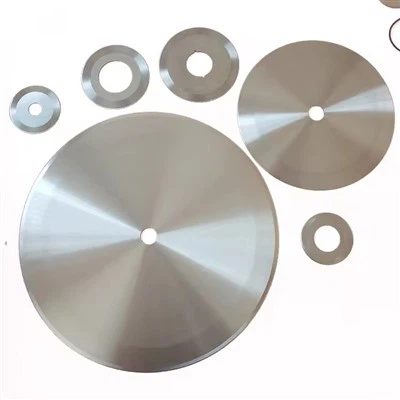
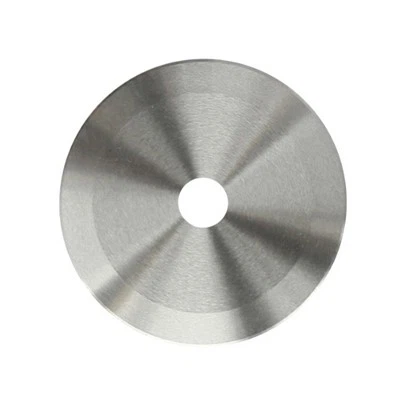
What are the possible reasons for a laminating machine blade to vibrate during cutting?
As a trusted laminating machine blade supplier, I've encountered numerous inquiries from customers about the issue of blade vibration during the cutting process. This problem not only affects the quality of the cut but can also lead to premature wear and tear of the blade, increasing operational costs in the long run. In this blog post, I'll delve into the possible reasons behind this phenomenon and offer some insights on how to address them.


1. Blade Installation Issues
One of the most common causes of blade vibration is improper installation. If the blade is not installed correctly, it may not be centered or aligned properly within the machine. This misalignment can cause uneven stress distribution during cutting, leading to vibrations. For instance, if the blade is tilted or not tightened securely, it will wobble as it rotates, resulting in a rough and inconsistent cut.
To ensure proper installation, it's crucial to follow the manufacturer's instructions carefully. Check that the blade is seated correctly in the blade holder and that all mounting bolts are tightened to the specified torque. Additionally, make sure that the blade is parallel to the cutting surface and that there is no interference from other components in the machine.
2. Blade Imbalance
Another significant factor that can cause blade vibration is blade imbalance. A blade is considered imbalanced when its center of mass does not coincide with its axis of rotation. This can occur due to manufacturing defects, uneven wear, or damage to the blade. When an imbalanced blade rotates, it creates an uneven centrifugal force, which causes the blade to vibrate.
To detect blade imbalance, you can use a balancing machine. If the blade is found to be imbalanced, it can often be corrected by adding or removing small weights from the blade. However, in some cases, the blade may need to be replaced if the imbalance is severe or if the blade has been damaged beyond repair.
3. Dull or Damaged Blade
A dull or damaged blade can also lead to vibration during cutting. As the blade becomes dull, it requires more force to cut through the material, which can cause the blade to vibrate. Similarly, if the blade is chipped, cracked, or has other forms of damage, it will not cut smoothly, resulting in vibrations.
Regularly inspecting and maintaining your blades is essential to prevent this issue. Sharpen the blade when it starts to lose its cutting edge and replace it if it is damaged. Using high-quality blades, such as our Woodworking Steel Planer Blade, can also help reduce the frequency of blade replacement and improve cutting performance.
4. Material Issues
The type and condition of the material being cut can also affect blade vibration. If the material is too hard, too thick, or has an uneven density, it can put additional stress on the blade, causing it to vibrate. For example, cutting through a piece of wood with knots or a metal sheet with inconsistent thickness can lead to uneven cutting forces and blade vibration.
Before cutting, it's important to ensure that the material is suitable for the blade and the machine. If necessary, adjust the cutting speed and feed rate to match the material properties. In some cases, using a different type of blade, such as our Crusher Blade for tougher materials, may be more appropriate.
5. Machine Malfunction
Finally, a malfunction in the laminating machine itself can cause blade vibration. Issues such as worn bearings, loose belts, or misaligned components can all affect the stability of the blade during cutting. For example, if the bearings in the blade spindle are worn, they will not support the blade properly, leading to vibration.
Regular maintenance and inspection of the machine are crucial to identify and address any potential issues. Check the machine's components regularly for wear and tear, and replace any damaged parts as soon as possible. Additionally, make sure that the machine is properly lubricated and that all belts and chains are tensioned correctly.
Conclusion
In conclusion, there are several possible reasons for a laminating machine blade to vibrate during cutting, including blade installation issues, blade imbalance, dull or damaged blades, material issues, and machine malfunctions. By understanding these factors and taking appropriate measures to address them, you can minimize blade vibration, improve cutting quality, and extend the lifespan of your blades.
As a leading laminating machine blade supplier, we offer a wide range of high-quality blades, including PE Film Slitting Blade, to meet your specific cutting needs. Our blades are manufactured using the latest technology and high-quality materials to ensure superior performance and durability.
If you're experiencing blade vibration issues or are looking for high-quality laminating machine blades, we encourage you to contact us for a consultation. Our team of experts will be happy to assist you in finding the right solution for your application.
References
- "Cutting Tool Technology" by Peter H. Gillespie
- "Manufacturing Engineering and Technology" by S. Kalpakjian and S. R. Schmid