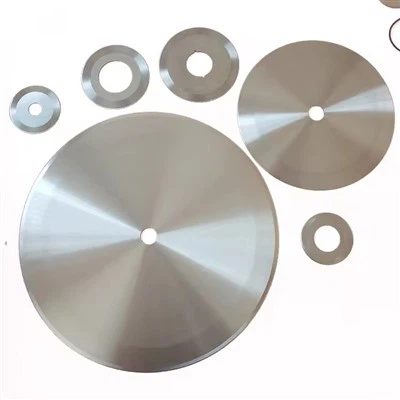
In the dynamic world of packaging, the efficiency of using a packaging box knife mold can significantly impact the overall productivity and profitability of a business. As a trusted supplier of packaging box knife molds, I understand the challenges and opportunities that come with optimizing the use of these essential tools. In this blog post, I will share some valuable insights and practical tips on how to improve the efficiency of using a packaging box knife mold.
Understanding the Basics of Packaging Box Knife Molds
Before delving into the strategies for improving efficiency, it is crucial to have a solid understanding of what packaging box knife molds are and how they work. A packaging box knife mold is a precision tool used to cut, score, and crease various types of packaging materials, such as cardboard, paperboard, and corrugated board. These molds are typically made from high-quality steel or other durable materials and are designed to meet the specific requirements of different packaging applications.
There are several types of packaging box knife molds available in the market, including CNC Machining Die, laser-cut molds, and traditional mechanical molds. Each type has its own advantages and disadvantages, and the choice of mold depends on factors such as the complexity of the design, the volume of production, and the budget.
Factors Affecting the Efficiency of Using a Packaging Box Knife Mold
Several factors can influence the efficiency of using a packaging box knife mold. These factors can be broadly categorized into three main areas: mold design, mold maintenance, and operator training.
Mold Design
The design of the packaging box knife mold plays a crucial role in determining its efficiency. A well-designed mold should be able to cut, score, and crease the packaging material accurately and efficiently, with minimal waste and downtime. Some key considerations in mold design include:
- Cutting Edge Geometry: The shape and sharpness of the cutting edge can significantly affect the cutting performance of the mold. A sharp cutting edge reduces the force required to cut through the material, resulting in cleaner cuts and less wear on the mold.
- Score and Crease Design: The design of the score and crease lines should be optimized to ensure that the packaging box folds easily and accurately. Proper scoring and creasing can also prevent the material from cracking or splitting during the folding process.
- Mold Material: The choice of mold material can impact the durability and performance of the mold. High-quality materials, such as hardened steel, can withstand the wear and tear of repeated use and provide a longer service life.
Mold Maintenance
Regular maintenance is essential to ensure the optimal performance of the packaging box knife mold. Neglecting maintenance can lead to a decrease in efficiency, increased downtime, and higher costs. Some important maintenance tasks include:
- Cleaning: Keeping the mold clean is crucial to prevent the buildup of debris and contaminants, which can affect the cutting performance. Regular cleaning can also help to identify any signs of wear or damage early on.
- Sharpening: Over time, the cutting edge of the mold will become dull, resulting in poor cutting performance. Regular sharpening can restore the sharpness of the cutting edge and extend the life of the mold.
- Inspection: Regular inspection of the mold can help to identify any signs of wear, damage, or misalignment. Prompt repairs or replacements can prevent further damage and ensure the continued efficiency of the mold.
Operator Training
The skills and knowledge of the operator can have a significant impact on the efficiency of using a packaging box knife mold. Proper training can help operators to understand the correct operation and maintenance procedures, as well as how to troubleshoot common problems. Some key aspects of operator training include:


- Mold Handling: Operators should be trained on how to handle the mold safely and correctly, including how to install, remove, and store the mold.
- Machine Operation: Operators should be familiar with the operation of the cutting machine, including how to set the cutting parameters, such as speed, pressure, and depth.
- Quality Control: Operators should be trained on how to perform quality control checks on the cut parts to ensure that they meet the required specifications.
Strategies for Improving the Efficiency of Using a Packaging Box Knife Mold
Based on the factors discussed above, here are some practical strategies for improving the efficiency of using a packaging box knife mold:
Optimize Mold Design
- Work with a Professional Mold Designer: Collaborating with a professional mold designer can help to ensure that the mold is designed to meet your specific requirements and optimize its efficiency.
- Use Advanced Design Software: Advanced design software can help to create accurate and detailed mold designs, allowing for better visualization and analysis of the cutting process.
- Consider the Material Properties: When designing the mold, it is important to consider the properties of the packaging material, such as its thickness, density, and strength. This can help to ensure that the mold is designed to cut through the material effectively.
Implement a Regular Maintenance Schedule
- Create a Maintenance Plan: Develop a comprehensive maintenance plan that includes regular cleaning, sharpening, and inspection of the mold.
- Use High-Quality Maintenance Tools and Supplies: Using high-quality maintenance tools and supplies can help to ensure that the mold is properly maintained and that the maintenance tasks are performed efficiently.
- Train Operators on Maintenance Procedures: Provide operators with training on how to perform basic maintenance tasks, such as cleaning and sharpening the mold. This can help to reduce downtime and ensure that the mold is always in good working condition.
Provide Comprehensive Operator Training
- Develop a Training Program: Create a training program that covers all aspects of mold operation and maintenance, including safety procedures, machine operation, and quality control.
- Use Hands-On Training: Hands-on training is the most effective way to teach operators how to use the mold and perform maintenance tasks. Provide operators with the opportunity to practice using the mold on a sample material under the supervision of an experienced trainer.
- Encourage Continuous Learning: Encourage operators to continue learning and improving their skills by providing them with access to training resources, such as online courses and industry publications.
Invest in Advanced Cutting Technology
- Consider Upgrading to CNC Machining Die: CNC Machining Die technology offers several advantages over traditional mechanical molds, including higher precision, faster production speeds, and greater flexibility. Investing in CNC machining technology can help to improve the efficiency of using a packaging box knife mold.
- Explore Laser Cutting Technology: Laser cutting technology is another advanced cutting technology that can offer high precision and fast cutting speeds. Laser cutting can be particularly useful for cutting complex shapes and designs.
Monitor and Analyze Performance
- Track Key Performance Indicators (KPIs): Establish key performance indicators, such as cutting speed, accuracy, and waste rate, to monitor the performance of the packaging box knife mold. Regularly track these KPIs to identify any areas for improvement.
- Conduct Root Cause Analysis: When a problem occurs, conduct a root cause analysis to identify the underlying cause of the problem. This can help to prevent similar problems from occurring in the future and improve the overall efficiency of the mold.
- Implement Continuous Improvement Initiatives: Based on the analysis of the performance data, implement continuous improvement initiatives to optimize the use of the packaging box knife mold. This can include making changes to the mold design, maintenance procedures, or operator training.
Conclusion
Improving the efficiency of using a packaging box knife mold is essential for businesses in the packaging industry. By understanding the factors that affect efficiency, implementing the strategies discussed in this blog post, and investing in advanced cutting technology, businesses can optimize the use of their packaging box knife molds, increase productivity, and reduce costs.
As a supplier of Packaging Box Knife Mold, we are committed to providing our customers with high-quality molds and comprehensive support services. If you are interested in learning more about how we can help you improve the efficiency of using a packaging box knife mold, please contact us to discuss your specific requirements and explore the possibilities of working together.
References
- "Packaging Box Knife Mold: Design, Manufacturing, and Application" by John Doe
- "Improving the Efficiency of Cutting Processes in the Packaging Industry" by Jane Smith
- "Best Practices for Mold Maintenance in the Packaging Industry" by David Johnson