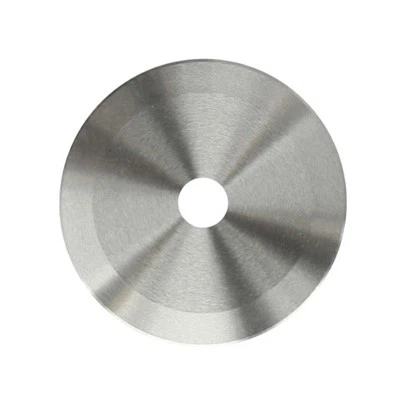
As a leading supplier of high - quality crusher blades, I understand that the process of replacing a crusher blade can be both challenging and crucial for the efficient operation of your machinery. In this blog post, I'll guide you through the step - by - step process of replacing a crusher blade, ensuring that your equipment runs smoothly and effectively.
Why Replace a Crusher Blade?
Before delving into the replacement process, it's important to understand why crusher blades need to be replaced. Over time, crusher blades can become dull due to continuous use, leading to reduced cutting efficiency. Dull blades may cause the crusher to work harder, increasing energy consumption and potentially leading to other mechanical problems. In some cases, the blade may even be damaged, such as having cracks or chips, which can pose a safety risk and further degrade the performance of the crusher. By replacing the blades at the right time, you can maintain the crusher's performance, extend its lifespan, and ensure the quality of the crushed materials.
Step 1: Safety First
Safety should always be your top priority when working on any machinery. Before starting the blade replacement process, make sure the crusher is completely powered off. Unplug the machine from the power source or turn off the circuit breaker. This will prevent any accidental starts of the crusher during the replacement process, which could lead to serious injuries.
Next, wear appropriate personal protective equipment (PPE). Safety goggles are essential to protect your eyes from any debris that may fall during the blade removal. Gloves are also recommended to protect your hands from sharp edges on the blades and other parts of the crusher. If the crusher is large or heavy, consider using safety shoes and a hard hat.
Step 2: Identify the Blade Type
There are various types of crusher blades available in the market, each designed for specific applications. Some of the common types include those used in woodworking, plastic recycling, and ice - clearing. As a supplier, we offer a wide range of blades, such as Crusher Blade,


Ice - clearing Blade. Ice - skating Blade,

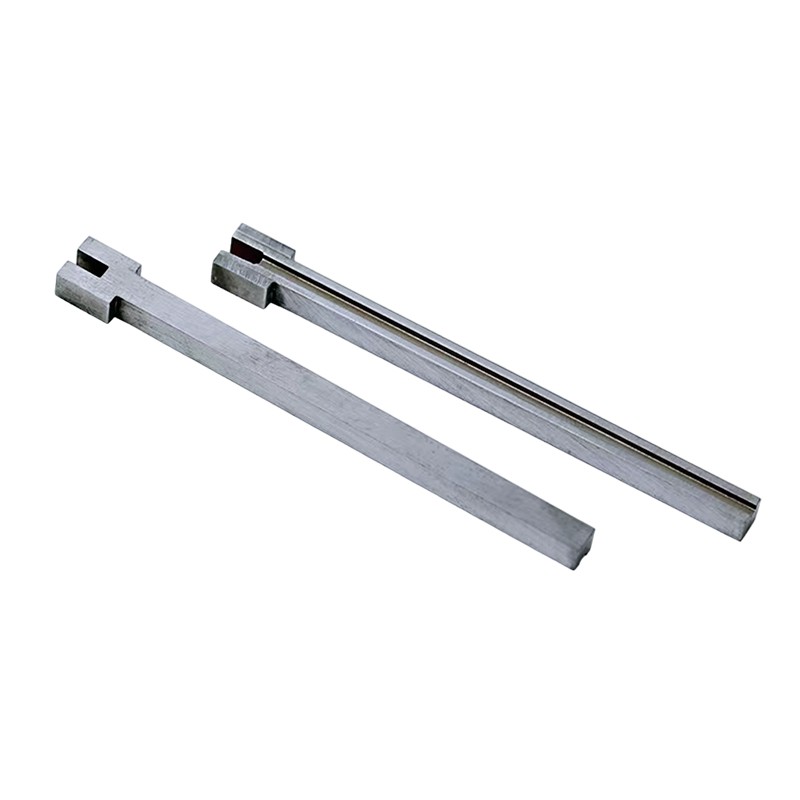
and Industrial Crusher Blades For Plastic & Recycling Machines.
To ensure you get the right replacement blade, you need to know the exact specifications of the existing blade. Check the blade's size, shape, number of teeth, and the type of material it is made of. You can usually find this information on the blade itself or in the crusher's user manual. If you're unsure, you can also take a picture of the blade and reach out to us. Our team of experts can help you identify the correct replacement blade.
Step 3: Access the Blade
Once you've identified the blade and put on your safety gear, it's time to access the blade in the crusher. Different crushers have different designs, so the process of accessing the blade may vary. Some crushers have a simple cover that can be removed with a few screws, while others may require more complex disassembly steps.
Refer to the crusher's user manual for detailed instructions on how to access the blade. In some cases, you may need to remove other parts of the crusher, such as belts or guards, to reach the blade. Be careful when removing these parts, and make sure to keep track of all the screws and small components. You can use a container to store them, and label them if necessary, to ensure easy reassembly later.
Step 4: Remove the Old Blade
After accessing the blade, you need to remove the old blade from the crusher. This usually involves loosening the bolts or clamps that hold the blade in place. Use the appropriate tools, such as a wrench or a socket set, to loosen the fasteners. Make sure to hold the blade firmly to prevent it from falling and causing injury or damage.
Once the fasteners are loose, carefully remove the old blade from the crusher. Inspect the blade for any signs of damage or excessive wear. If you notice any issues, it's a clear indication that the blade needed to be replaced. You can also take this opportunity to clean the area where the blade was installed, removing any debris or dust that may have accumulated.
Step 5: Install the New Blade
Now that the old blade has been removed, it's time to install the new blade. First, double - check that the new blade matches the specifications of the old blade and is suitable for your crusher. Place the new blade in the correct position in the crusher, aligning it properly with the mounting holes or slots.
Tighten the bolts or clamps that hold the blade in place. Make sure to tighten them evenly to ensure that the blade is securely attached. Over - tightening can cause damage to the blade or the crusher, while under - tightening can lead to the blade coming loose during operation. Refer to the manufacturer's recommendations for the correct torque settings.
Step 6: Reassemble the Crusher
After installing the new blade, it's time to reassemble the crusher. Put back any parts that you removed to access the blade, such as belts, guards, and covers. Make sure all parts are properly installed and tightened. Check that all the connections are secure and that there are no loose components.
Step 7: Test the Crusher
Once the crusher is reassembled, it's important to test it to ensure that the blade replacement was successful. Plug the crusher back into the power source or turn on the circuit breaker. Start the crusher and let it run for a few minutes at a low speed. Listen for any unusual noises or vibrations, which could indicate that the blade is not installed correctly.
You can also perform a test run with a small amount of material to check the cutting performance of the new blade. If the crusher is working smoothly and the material is being crushed effectively, then the blade replacement was successful.
Conclusion
Replacing a crusher blade is a task that can be accomplished with the right knowledge and tools. By following these steps, you can ensure a safe and successful blade replacement, which will ultimately improve the performance of your crusher.
As a trusted supplier of crusher blades, we are committed to providing high - quality products and excellent customer service. If you need any assistance in choosing the right blade for your crusher or have any questions about the blade replacement process, don't hesitate to contact us. We are here to help you make the right decision and ensure the smooth operation of your machinery. Get in touch with us for more information and to start a procurement discussion.
References
- General machinery maintenance guides related to crushers
- Manufacturer's manuals of various crusher models