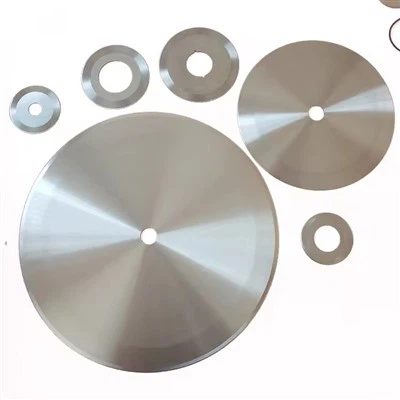
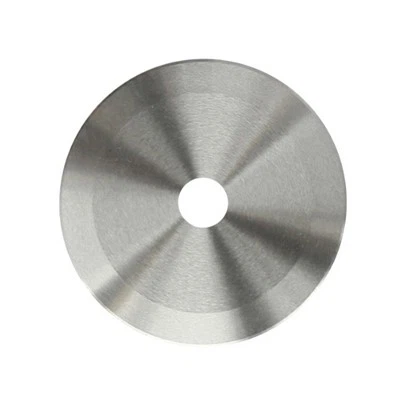
When it comes to cutting various materials, selecting the appropriate round blade is crucial for achieving efficient and high - quality results. As a round blade supplier, I have witnessed firsthand the impact of choosing the right blade on the cutting process. In this blog post, I will share some key factors to consider when selecting a round blade for a specific material.
Material Hardness
One of the primary considerations when choosing a round blade is the hardness of the material to be cut. Different materials have different levels of hardness, and the blade must be able to withstand the forces exerted during the cutting process. For example, when cutting soft materials like paper or cardboard, a blade with a relatively lower hardness can be used. A Round Paper Cutting Blade is designed to cut through paper smoothly and cleanly. These blades are often made from high - carbon steel or stainless steel, which provides enough sharpness and durability for paper cutting tasks.
On the other hand, when dealing with harder materials such as metals or plastics, a blade with a higher hardness is required. Carbide - tipped blades are commonly used for cutting hard plastics and metals. Carbide is extremely hard and wear - resistant, allowing the blade to maintain its sharpness for a longer period. However, these blades are also more expensive than their steel counterparts.


Material Thickness
The thickness of the material also plays a significant role in blade selection. Thicker materials require blades with greater strength and cutting capacity. For thin materials, a thin - edged blade can be used to make precise cuts. For instance, when cutting thin rubber sheets, a Rubber Cutting Blade with a fine edge can ensure a clean cut without tearing the rubber.
As the material thickness increases, the blade needs to be more robust. A thicker blade can withstand the increased pressure and force required to cut through the material. For example, when cutting thick rubber mats, a blade with a wider and thicker profile is necessary. You can find suitable blades at Rubber Cutting Blade Factory, which offers a variety of blades designed for different rubber thicknesses.
Cutting Edge Geometry
The geometry of the cutting edge is another important factor. Different cutting edge designs are suitable for different materials and cutting applications. For materials that require a clean, smooth cut, a sharp, pointed edge is often preferred. This type of edge can penetrate the material easily and create a precise cut. For example, when cutting fabrics or thin films, a blade with a fine, pointed edge can prevent fraying and ensure a neat finish.
In contrast, for materials that are more fibrous or have a rough surface, a serrated edge may be more appropriate. The serrations on the blade can grip the material better and make it easier to cut through. When cutting materials like leather or fiberglass, a serrated round blade can provide better cutting performance.
Blade Coating
Blade coating can enhance the performance and lifespan of the blade. There are several types of coatings available, each with its own advantages. For example, a Teflon coating can reduce friction between the blade and the material, making the cutting process smoother and reducing the risk of the material sticking to the blade. This is particularly useful when cutting sticky materials such as rubber or certain types of plastics.
A titanium nitride (TiN) coating can increase the hardness and wear resistance of the blade. This coating is often used on blades that are used for high - volume cutting or cutting hard materials. It can significantly extend the blade's lifespan and reduce the frequency of blade replacements.
Production Volume
The production volume is also an important consideration. If you are dealing with a high - volume production environment, you need a blade that can withstand continuous use without losing its cutting performance. In such cases, investing in high - quality, durable blades is essential. These blades may be more expensive upfront, but they can save you money in the long run by reducing downtime and replacement costs.
For low - volume production or occasional cutting tasks, you may be able to use more affordable blades. However, you still need to ensure that the blade is suitable for the material and cutting requirements.
Compatibility with Cutting Equipment
Finally, the round blade must be compatible with your cutting equipment. Different cutting machines have different specifications and requirements for blades. You need to ensure that the blade's diameter, bore size, and mounting style are compatible with your machine. Using an incompatible blade can not only lead to poor cutting performance but also damage your equipment.
In conclusion, selecting the appropriate round blade for a specific material requires careful consideration of multiple factors, including material hardness, thickness, cutting edge geometry, blade coating, production volume, and compatibility with cutting equipment. As a round blade supplier, we understand the importance of these factors and are committed to providing our customers with the best - suited blades for their specific needs.
If you are in the process of selecting a round blade for your cutting application, we encourage you to contact us for professional advice and high - quality products. Our team of experts is ready to assist you in finding the perfect blade for your requirements. Whether you need a Round Paper Cutting Blade for your paper - cutting business or a Rubber Cutting Blade for your rubber - processing operations, we have the solutions you need.
References
- Smith, J. (2018). Handbook of Cutting Tools. Industrial Press.
- Johnson, M. (2019). Advanced Materials Cutting Techniques. Wiley.
- Brown, A. (2020). Blade Selection Guide for Different Materials. Cutting Edge Magazine.