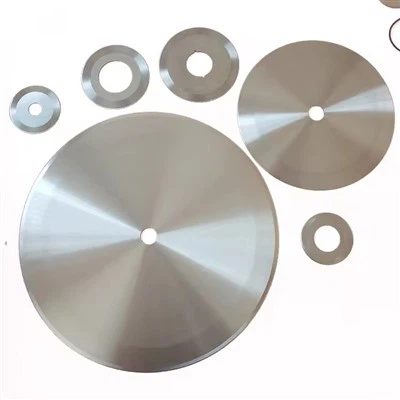
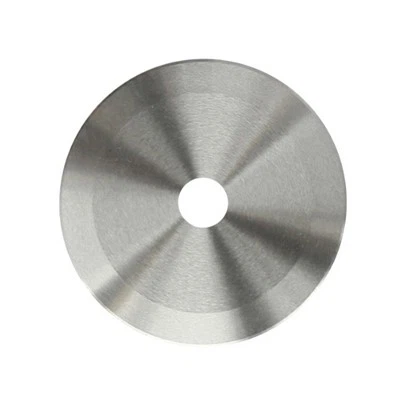
As a meat slicer blade supplier, I understand the importance of maintaining the sharpness of these essential kitchen tools. A dull meat slicer blade not only affects the quality of cuts but also reduces efficiency and can pose safety risks. In this blog post, I'll share some scientific and practical tips on how to store a meat slicer blade to prevent it from getting dull.
Clean the Blade Thoroughly Before Storage
Before storing the meat slicer blade, it's crucial to clean it properly. Food residues, grease, and moisture can lead to corrosion and dullness over time. Start by disassembling the slicer according to the manufacturer's instructions. Use a mild detergent and warm water to clean the blade, ensuring that all debris is removed. A soft brush can be helpful for getting into hard - to - reach areas.
After cleaning, rinse the blade thoroughly to remove any soap residue. Then, dry it completely with a clean, lint - free cloth. Pay special attention to the edges of the blade, as even a small amount of moisture can cause rust. If possible, use compressed air to blow out any remaining water from the blade's crevices.
Choose the Right Storage Container
Selecting an appropriate storage container is key to protecting the meat slicer blade. A hard - shell case or a blade guard specifically designed for meat slicer blades is ideal. These containers provide physical protection against scratches and impacts, which can dull the blade.
If you don't have a dedicated case, you can use a thick, sturdy cardboard box lined with soft foam or felt. Make sure the container is large enough to accommodate the blade without bending or squeezing it. Place the blade in the container with the cutting edge facing away from other objects to prevent accidental contact.
Control the Storage Environment
The environment where you store the meat slicer blade can significantly impact its sharpness. Humidity is one of the main enemies of a sharp blade. High humidity levels can cause rust and corrosion, which will dull the blade. Aim to store the blade in a dry place with a relative humidity of less than 50%.
Temperature also plays a role. Extreme temperatures can cause the metal in the blade to expand and contract, which may lead to microscopic cracks and dullness. A cool, stable temperature is best. Avoid storing the blade in areas prone to temperature fluctuations, such as near heaters or in uninsulated garages.


Use Protective Covers or Sheaths
In addition to a storage container, using a protective cover or sheath for the blade can provide an extra layer of protection. There are various types of blade sheaths available, made from materials like leather, plastic, or rubber. These sheaths can prevent the blade from coming into contact with other objects and protect the cutting edge.
When choosing a sheath, make sure it fits the blade snugly but not too tightly. A loose sheath may allow the blade to move around and get damaged, while a too - tight sheath could put pressure on the blade and cause it to deform.
Avoid Stacking or Overcrowding
When storing multiple meat slicer blades, avoid stacking them on top of each other. The weight of one blade on another can cause the edges to become dull or damaged. Instead, store each blade separately in its own container or sheath.
If you need to store multiple blades in a single box, use dividers or partitions to keep them separated. This will prevent the blades from rubbing against each other during storage.
Regularly Inspect the Blade
Even when stored properly, it's important to regularly inspect the meat slicer blade. Check for any signs of rust, corrosion, or damage. If you notice any issues, take appropriate action immediately. For example, if there is a small amount of rust, you can use a rust remover and then re - clean and dry the blade before storing it again.
Inspecting the blade also allows you to ensure that the storage conditions are still suitable. If you find that the blade is starting to show signs of dullness or damage despite proper storage, you may need to adjust the storage environment or the storage method.
Additional Tips for Long - Term Storage
If you plan to store the meat slicer blade for an extended period, you can take some additional precautions. One option is to apply a thin layer of food - grade mineral oil to the blade. This will help to prevent rust and corrosion. Make sure to wipe off any excess oil before using the blade again.
Another tip is to wrap the blade in acid - free paper. Acid - free paper can protect the blade from environmental contaminants and prevent oxidation.
Related Products
As a meat slicer blade supplier, we also offer a range of other high - quality blades. For example, our Tire Trimming Blade is designed for precise tire trimming tasks. Our Meat Slicer Blade is made from premium materials to ensure long - lasting sharpness. And our Straight Serrated Cutting Blade is suitable for a variety of cutting applications.
Conclusion
Properly storing a meat slicer blade is essential for maintaining its sharpness and longevity. By following the tips outlined in this blog post, you can ensure that your meat slicer blade stays in top condition. If you have any questions about meat slicer blades or need advice on storage, don't hesitate to contact us. We're here to help you make the most of your blades and ensure that your cutting tasks are always efficient and precise. Whether you're a professional chef or a home cook, our high - quality blades can meet your needs. Reach out to us to discuss your requirements and start a procurement negotiation.
References
- "Blade Maintenance and Storage Guide" - Kitchen Equipment Manufacturer's Handbook
- "The Science of Blade Preservation" - Journal of Culinary Tools and Equipment