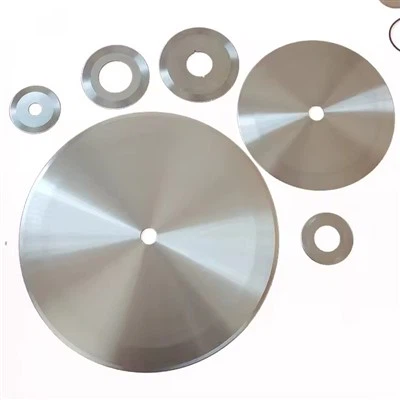
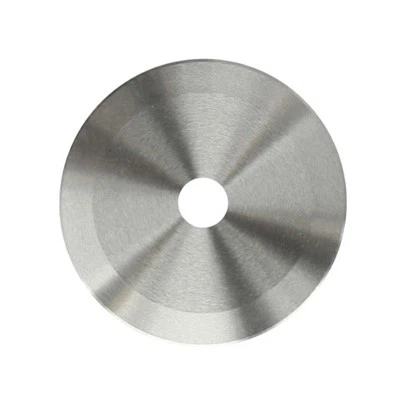
Storing a tire trimming blade properly is crucial for maintaining its performance and longevity. As a tire trimming blade supplier, I understand the importance of this process and have accumulated extensive knowledge over the years. In this blog, I will share some professional tips on how to store these blades effectively.
Understanding the Importance of Proper Storage
Tire trimming blades are precision tools designed to cut through rubber and other materials with high accuracy. However, improper storage can lead to various issues such as rust, dulling of the blade edge, and deformation. Rust can corrode the blade material, weakening its structure and reducing its cutting ability. A dull blade edge will result in less efficient cutting, requiring more force and potentially causing uneven cuts on the tires. Deformation of the blade can occur due to improper handling or storage conditions, which can render the blade unusable. Therefore, proper storage is essential to ensure that the blades remain in optimal condition for as long as possible.
Dry and Clean Environment
The first and most important step in storing tire trimming blades is to ensure they are kept in a dry and clean environment. Moisture is the enemy of metal tools, as it can accelerate the rusting process. After use, the blades should be thoroughly cleaned to remove any debris, rubber particles, or cutting fluids. A simple way to clean the blades is to use a soft brush or cloth to wipe off the surface dirt. If there are stubborn stains, a mild detergent can be used, followed by rinsing with clean water and drying completely.
Once the blades are clean and dry, they should be stored in a place with low humidity. A humidity level of less than 50% is ideal for preventing rust. A storage cabinet or a dedicated tool chest can be used to keep the blades. These storage units can protect the blades from dust, moisture, and other contaminants in the environment.
Protection from Physical Damage
In addition to a dry environment, the blades also need to be protected from physical damage. Blades should be stored separately to prevent them from rubbing against each other, which can cause scratches and dulling of the edges. One effective way to store the blades is to use blade holders or sheaths. These protective covers can keep the blades in place and prevent them from coming into contact with other objects.
If the blades are stored in a cabinet or tool chest, it is advisable to use dividers or compartments to separate them. This will not only prevent physical damage but also make it easier to organize and access the blades when needed.
Lubrication
Lubrication is another important aspect of blade storage. Applying a thin layer of lubricant to the blade surface can help prevent rust and reduce friction during cutting. There are various types of lubricants available, such as machine oil, anti - rust oil, and silicone spray. When choosing a lubricant, it is important to select one that is compatible with the blade material.
Before applying the lubricant, make sure the blade is clean and dry. Use a clean cloth or a brush to apply a thin and even layer of lubricant to the entire blade surface. Avoid applying too much lubricant, as it can attract dust and debris.
Temperature Control
Extreme temperatures can also have a negative impact on the performance and lifespan of tire trimming blades. High temperatures can cause the blade material to expand and contract, which may lead to deformation. Low temperatures, on the other hand, can make the blade more brittle and prone to cracking.
Therefore, it is recommended to store the blades in an environment with a stable temperature. A temperature range of 10°C - 30°C (50°F - 86°F) is generally considered suitable for most blade materials. If the storage area is subject to significant temperature fluctuations, it may be necessary to use a temperature - controlled storage unit.
Regular Inspection
Even when the blades are stored properly, it is still important to conduct regular inspections. Check the blades for any signs of rust, damage, or wear. If any issues are detected, take appropriate measures immediately. For example, if there is a small amount of rust on the blade, it can be removed using a rust remover and then re - lubricated. If the blade is damaged or worn beyond repair, it should be replaced.
Storing Different Types of Blades
There are various types of tire trimming blades available in the market, and each type may have specific storage requirements. For example, some blades may have special coatings or treatments that require specific care. As a supplier, we can provide detailed storage instructions for different types of blades to our customers.


In addition to tire trimming blades, we also offer other types of blades such as Sealing Machine Blade, Filling Machine Tooth Cutting Blade, and Carton Sealing Machine Blade. Similar storage principles apply to these blades as well, ensuring they are kept in a dry, clean, and protected environment.
Conclusion
Proper storage of tire trimming blades is essential for maintaining their performance, extending their lifespan, and ensuring consistent cutting quality. By following the tips mentioned above, including keeping the blades in a dry and clean environment, protecting them from physical damage, applying lubrication, controlling the temperature, and conducting regular inspections, you can ensure that your blades remain in optimal condition.
As a reliable tire trimming blade supplier, we are committed to providing high - quality products and professional advice. If you have any questions about blade storage or need to purchase our blades, please feel free to contact us. We look forward to establishing a long - term business relationship with you.
References
- Handbook of Tool Materials and Their Applications
- Machinery's Handbook: A Reference Book for the Mechanical Engineer, Designer, Manufacturing Engineer, Draftsman, Toolmaker, and Machinist