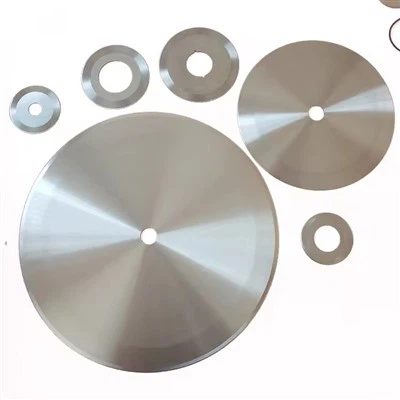
As a supplier of packaging box knife molds, I've encountered a wide range of issues that customers face when using these tools. Troubleshooting problems with a packaging box knife mold is crucial to ensure smooth production processes and high - quality packaging. In this blog, I'll share some common problems and effective solutions to help you keep your operations running efficiently.
1. Dull Cutting Edges
One of the most common problems with packaging box knife molds is dull cutting edges. Over time, continuous use can cause the blades to wear down, resulting in incomplete cuts or jagged edges on the packaging boxes.
Symptoms
- Incomplete cuts: You may notice that the knife mold fails to cut through the entire thickness of the packaging material, leaving parts of the box uncut.
- Jagged edges: The edges of the cut boxes are rough and uneven, which can affect the overall appearance and functionality of the packaging.
Causes
- High - volume usage: Frequent cutting operations can cause rapid wear on the cutting edges.
- Low - quality materials: If the knife mold is made from sub - standard materials, it will dull more quickly.
- Improper maintenance: Lack of regular cleaning and lubrication can accelerate the wear of the cutting edges.
Solutions
- Sharpen the blades: You can use a professional blade sharpener to restore the sharpness of the cutting edges. Make sure to follow the manufacturer's instructions for sharpening to avoid damaging the blades.
- Replace the blades: If the blades are too worn to be sharpened, it's time to replace them. You can order replacement blades from our company. Visit our Packaging Box Knife Mold page to find the right replacement parts for your knife mold.
- Improve maintenance: Regularly clean the knife mold after each use to remove debris and dust. Apply a suitable lubricant to the cutting edges to reduce friction and wear.
2. Misaligned Cuts
Misaligned cuts are another common issue that can occur with packaging box knife molds. This problem can lead to wasted materials and inaccurate packaging.
Symptoms
- Uneven cuts: The cuts on the packaging boxes are not straight or parallel, resulting in boxes that do not fit together properly.
- Incorrect dimensions: The size of the cut boxes does not match the specified dimensions, which can cause problems during the assembly and filling processes.
Causes
- Improper installation: If the knife mold is not installed correctly on the cutting machine, it can cause misaligned cuts.
- Machine vibration: Excessive vibration from the cutting machine can cause the knife mold to shift during the cutting process.
- Wear and tear of the machine: Over time, the components of the cutting machine may wear out, leading to misalignment.
Solutions
- Check the installation: Make sure the knife mold is installed securely and correctly on the cutting machine. Refer to the installation manual for detailed instructions.
- Reduce machine vibration: You can use vibration - damping pads or mounts to reduce the vibration of the cutting machine. Additionally, ensure that the machine is placed on a stable surface.
- Inspect and maintain the machine: Regularly inspect the cutting machine for any signs of wear and tear. Replace any worn - out components as needed.
3. Blunt or Broken Knife Tips
Blunt or broken knife tips can cause problems such as incomplete cuts and damage to the packaging material.


Symptoms
- Incomplete perforations: When the knife mold is used for perforating the packaging material, blunt or broken knife tips may result in incomplete perforations, which can affect the functionality of the packaging.
- Damage to the material: Broken knife tips can tear or damage the packaging material, leading to waste and lower - quality products.
Causes
- Impact damage: Dropping or mishandling the knife mold can cause the knife tips to break.
- Overloading: Using the knife mold to cut through materials that are too thick or hard can put excessive stress on the knife tips, causing them to become blunt or break.
Solutions
- Replace the knife tips: If the knife tips are broken, replace them immediately. You can find replacement knife tips on our Packaging Box Knife Mold page.
- Avoid overloading: Make sure to use the knife mold within its specified capacity. Do not attempt to cut through materials that are beyond its capabilities.
4. Poor Adhesion of the Knife Blades
In some cases, the knife blades may not adhere properly to the base of the knife mold, which can cause the blades to loosen or fall off during the cutting process.
Symptoms
- Loose blades: You may notice that the knife blades are not firmly attached to the base of the knife mold and can move freely.
- Blade detachment: In severe cases, the knife blades may completely detach from the base, posing a safety hazard and disrupting the production process.
Causes
- Poor adhesive quality: If the adhesive used to attach the knife blades to the base is of low quality, it may not provide sufficient adhesion.
- Incorrect application of the adhesive: Improper application of the adhesive, such as uneven spreading or insufficient curing time, can lead to poor adhesion.
Solutions
- Re - attach the blades: If the blades are loose, you can re - attach them using a high - quality adhesive. Make sure to clean the surfaces of the blades and the base thoroughly before applying the adhesive.
- Contact the manufacturer: If the problem persists, contact our company for further assistance. We can provide you with the correct adhesive and guidance on how to apply it properly.
5. Inconsistent Cutting Depth
Inconsistent cutting depth can result in packaging boxes with varying thicknesses, which can affect the strength and durability of the packaging.
Symptoms
- Some areas of the box are cut too deep, while others are not cut deep enough. This can lead to weak spots in the box and make it more prone to damage during handling and transportation.
Causes
- Uneven pressure distribution: If the cutting machine does not apply pressure evenly across the knife mold, it can cause inconsistent cutting depth.
- Wear of the cutting machine components: Worn - out parts in the cutting machine, such as the pressure pads or the cutting platform, can also contribute to this problem.
Solutions
- Adjust the pressure settings: Check the pressure settings of the cutting machine and make sure they are set correctly. You may need to adjust the pressure depending on the type and thickness of the packaging material.
- Replace worn - out components: Inspect the cutting machine for any worn - out parts and replace them as necessary. This will help ensure even pressure distribution and consistent cutting depth.
As a professional supplier of packaging box knife molds, we are committed to providing our customers with high - quality products and excellent after - sales service. If you encounter any problems with your packaging box knife mold, don't hesitate to contact us for assistance. We have a team of experienced technicians who can help you troubleshoot and solve the issues quickly. Whether you need replacement parts, technical support, or advice on maintenance, we are here to help. Visit our Packaging Box Knife Mold page to learn more about our products and services. We also offer Leather Cutting Die and CNC Machining Die for different applications.
If you are interested in purchasing our packaging box knife molds or have any questions about our products, please feel free to reach out to us. We look forward to establishing a long - term business relationship with you and helping you improve your packaging production processes.
References
- Packaging Machinery Handbook, various industry experts
- Knife Mold Manufacturing and Maintenance Guides, industry - specific publications