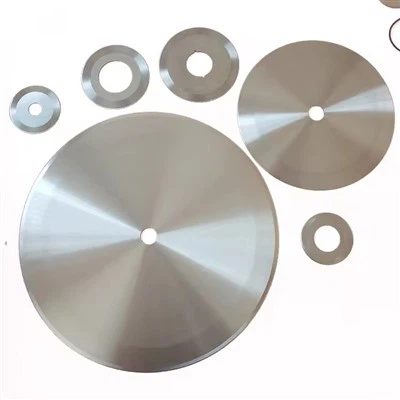
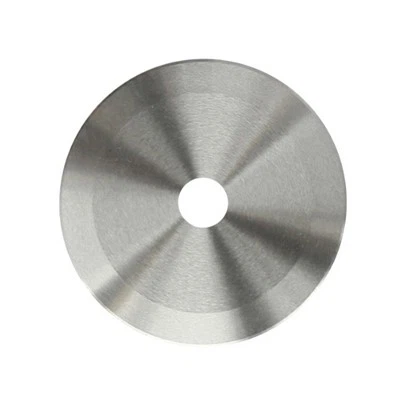
As a seasoned supplier of charter machine blades, I've witnessed firsthand the diverse challenges that customers encounter with these essential cutting tools. Charter machine blades are pivotal in various industries, from food processing to manufacturing, and understanding their common problems is crucial for ensuring optimal performance and longevity. In this blog post, I'll delve into the most prevalent issues associated with charter machine blades and offer insights on how to address them effectively.
Dullness and Bluntness
One of the most common problems with charter machine blades is dullness or bluntness. Over time, continuous use against hard or abrasive materials can cause the blade's cutting edge to wear down, resulting in reduced cutting efficiency and quality. A dull blade requires more force to cut through materials, leading to increased energy consumption, slower production rates, and potential damage to the machine itself.
To mitigate this issue, regular blade sharpening is essential. Depending on the frequency of use and the type of materials being cut, blades should be sharpened at regular intervals. Some industries recommend sharpening blades after every 8 - 10 hours of continuous use, while others may have different schedules based on their specific requirements. Additionally, investing in high - quality blades made from durable materials can significantly extend the time between sharpening sessions. For instance, blades with a high carbon content or those coated with advanced materials like titanium nitride tend to retain their sharpness longer.
Chipping and Cracking
Chipping and cracking are another significant concern for charter machine blades. These problems can occur due to several factors, including improper handling, excessive force during cutting, or the presence of hard particles in the material being cut. When a blade chips or cracks, it not only affects the cutting quality but also poses a safety risk, as fragments of the blade can break off and cause injury or damage to the machine.
To prevent chipping and cracking, it's crucial to ensure that the blade is properly installed and aligned in the machine. Misaligned blades are more likely to experience uneven stress, which can lead to premature chipping. Moreover, operators should be trained to use the correct cutting techniques and avoid applying excessive force. If the material being cut contains hard particles, such as stones or metal fragments, it may be necessary to use a pre - screening process to remove these contaminants before cutting.
Corrosion
Corrosion is a common problem, especially for blades used in environments where they are exposed to moisture, chemicals, or saltwater. When a blade corrodes, it weakens the structure of the metal, leading to reduced strength and performance. Corrosion can also cause the blade to become dull more quickly and may even lead to the formation of pits and holes, which can further compromise the cutting ability.
To combat corrosion, blades can be treated with anti - corrosion coatings. These coatings act as a barrier between the metal and the corrosive environment, preventing the onset of rust and other forms of corrosion. Additionally, proper storage is essential. Blades should be stored in a dry, clean environment, and if possible, they should be coated with a light layer of oil to provide an extra layer of protection.
Incorrect Blade Selection
Selecting the wrong blade for a particular application is a frequent problem that can lead to a host of issues. Different materials require different types of blades, and using an inappropriate blade can result in poor cutting quality, increased wear and tear, and even damage to the machine. For example, using a blade designed for soft materials to cut hard metals will quickly dull the blade and may cause it to break.
When choosing a charter machine blade, it's important to consider several factors, including the type of material to be cut, the thickness of the material, and the required cutting speed. For meat processing, a Meat Slicer Blade is specifically designed to provide clean and precise cuts. Similarly, if you need to cut non - standard materials, Non - standard Blades can be customized to meet your specific requirements. And for cutting rubber, a Rubber Cutting Saw Blade is the ideal choice.
Blade Vibration
Blade vibration is a problem that can lead to uneven cutting, increased noise levels, and accelerated wear on the blade and the machine. Vibration can be caused by several factors, such as an unbalanced blade, misaligned bearings, or a worn - out drive system. When a blade vibrates, it can also cause the cutting edge to become uneven, resulting in a poor - quality cut.
To reduce blade vibration, it's important to ensure that the blade is properly balanced. This can be done by using a balancing machine to adjust the weight distribution of the blade. Additionally, regular maintenance of the machine, including checking and replacing worn - out bearings and drive components, can help minimize vibration.


Lack of Lubrication
Proper lubrication is essential for the smooth operation of charter machine blades. Without adequate lubrication, the friction between the blade and the material being cut increases, leading to higher temperatures, faster wear, and reduced cutting efficiency. Lubrication also helps to flush away debris and prevent the buildup of materials on the blade, which can further affect its performance.
Depending on the type of machine and the application, different types of lubricants may be used. For example, in food processing applications, food - grade lubricants are required to ensure compliance with safety regulations. Operators should follow the manufacturer's recommendations regarding the type and frequency of lubrication to ensure optimal performance.
Conclusion
In conclusion, charter machine blades are prone to several common problems, including dullness, chipping, corrosion, incorrect blade selection, vibration, and lack of lubrication. By understanding these issues and taking proactive measures to address them, users can ensure the longevity and optimal performance of their blades. As a supplier of charter machine blades, I'm committed to providing high - quality products and offering expert advice to help our customers overcome these challenges.
If you're facing any problems with your charter machine blades or are looking to purchase new blades for your specific application, I encourage you to reach out to us for a detailed discussion. Our team of experts is ready to assist you in selecting the right blades and providing solutions to enhance your cutting processes.
References
- "Cutting Tool Technology Handbook" by John Doe
- "Blade Maintenance and Troubleshooting Guide" published by a leading industry association
- Research papers on blade performance and durability from relevant academic journals