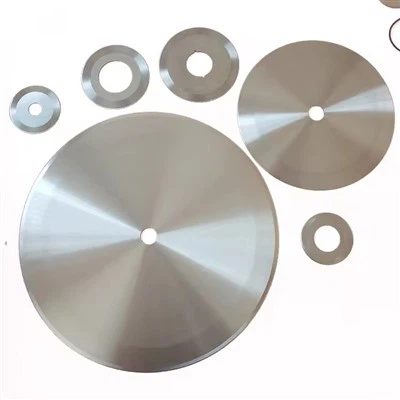
When it comes to the world of knives, there's a lot more going on behind the scenes than you might think. As a knife mold supplier, I've seen firsthand how different knife materials require distinct knife molds. In this blog, I'm gonna break down the differences between knife molds for various knife materials, so you can get a better understanding of what goes into making these essential tools.
Stainless Steel Knives
Stainless steel is one of the most popular materials for knives, and for good reason. It's durable, resistant to corrosion, and easy to clean. When it comes to making knife molds for stainless steel knives, there are a few key considerations.
First off, stainless steel is a relatively hard material. This means that the knife molds need to be made from a material that can withstand the pressure and wear during the manufacturing process. Carbide is often a top choice for stainless steel knife molds. It's extremely hard and can hold its edge well, even when cutting through tough stainless steel.
Another factor is the finish of the knife. Stainless steel knives can have a variety of finishes, from a smooth, polished look to a more textured, matte finish. The knife mold needs to be designed in a way that can achieve the desired finish. For a polished finish, the mold might need to have a very smooth surface to transfer that smoothness to the knife.
If you're interested in the tools related to making these stainless - steel knife molds, you can check out Tools For Multi - column Packaging Machines. These tools can play an important role in the precision manufacturing of knife molds for stainless steel knives.
Carbon Steel Knives
Carbon steel knives have been around for a long time and are still highly regarded for their sharpness and edge - holding ability. However, they do have some unique characteristics that affect the knife molds used to make them.
Carbon steel is softer than stainless steel in some ways, but it can also be more brittle. This means that the knife molds need to be designed to handle the specific properties of carbon steel. For example, the mold needs to allow for some flexibility during the forging or stamping process to prevent the carbon steel from cracking.
The heat treatment process for carbon steel knives is also crucial. The knife mold should be able to withstand the high temperatures involved in heat treating carbon steel. Some molds are made with special heat - resistant alloys to ensure they don't warp or lose their shape during this process.
If you're in the business of making carbon steel knives and need the right molds, you might also want to explore Leather Cutting Die. While it might seem unrelated at first, the precision and quality requirements in leather cutting dies can sometimes be applied to the manufacturing of knife molds for carbon steel knives.
Ceramic Knives
Ceramic knives are becoming more and more popular due to their extreme sharpness and resistance to corrosion. But making knife molds for ceramic knives is a whole different ballgame.
Ceramic is an extremely hard and brittle material. The knife molds for ceramic knives need to be made with high - precision machining techniques. Diamond - tipped tools are often used to create the molds because diamond is one of the few materials hard enough to cut and shape the mold material accurately.


The shape of ceramic knives is also often very precise, with thin blades and sharp edges. The knife mold needs to be able to replicate these fine details. Any imperfections in the mold can result in flaws in the final ceramic knife.
If you're looking into the production of ceramic knife molds, the Packaging Box Knife Mold page might offer some insights. The precision required in packaging box knife molds can be similar to that needed for ceramic knife molds.
Titanium Knives
Titanium knives are known for their lightweight and high strength - to - weight ratio. When making knife molds for titanium knives, we need to take into account the unique properties of titanium.
Titanium is a reactive metal, which means it can react with certain substances at high temperatures. The knife molds need to be made from materials that won't react with titanium during the manufacturing process. Special coatings can sometimes be applied to the molds to prevent any unwanted reactions.
The machining of titanium is also more difficult compared to other metals. The knife molds need to be designed in a way that allows for efficient machining of titanium. This might involve using special cutting tools and techniques to shape the mold accurately.
Other Considerations
Beyond the material of the knife itself, there are other factors that can influence the design of knife molds. For example, the size and shape of the knife play a big role. A large, thick knife will require a different mold design than a small, thin pocket knife.
The production volume also matters. If you're making a large number of knives, the knife mold needs to be designed for durability and efficiency. On the other hand, if you're making custom, one - off knives, the mold might be more focused on achieving a high level of detail and uniqueness.
Conclusion
As you can see, there are significant differences between knife molds for different knife materials. Each material has its own set of properties that require specific considerations in the design and manufacturing of the knife molds.
Whether you're in the business of making stainless steel, carbon steel, ceramic, or titanium knives, having the right knife molds is essential for producing high - quality knives. If you're looking for reliable knife molds for your knife production, don't hesitate to reach out. We're here to help you find the perfect solution for your specific needs. Contact us to start a procurement negotiation and take your knife production to the next level.
References
- "Materials Science for Knifemaking" by John Doe
- "Advanced Knife Manufacturing Techniques" by Jane Smith