In the culinary world, food slicers are indispensable tools for both professional chefs and home cooks. At the heart of these machines are the food slicer blades, which come in a variety of types, each designed to meet specific slicing needs. As a trusted food slicer blade supplier, I am here to explore the different types of food slicer blades with you, helping you make an informed choice for your slicing requirements.
Straight Blades
Straight blades are the most common type of food slicer blades. They are characterized by their simple, linear cutting edge. These blades are versatile and can be used for a wide range of slicing tasks, from slicing bread and vegetables to meats.
One of the key advantages of straight blades is their ease of use. Their straightforward design makes them suitable for beginners, as they are relatively easy to handle and control. They also provide clean, even cuts, which is essential for presentation in the culinary arts. For example, when slicing a loaf of bread, a straight blade will ensure that each slice is of uniform thickness, enhancing the overall aesthetic of the dish.
Straight blades come in different sizes and thicknesses to accommodate various slicing needs. Thicker blades are more durable and can handle tougher foods, such as cured meats and hard cheeses. Thinner blades, on the other hand, are ideal for slicing delicate foods, like tomatoes and cucumbers, without crushing them.
Serrated Blades
Serrated blades have a saw - like edge with small teeth. This design allows them to grip and cut through foods more effectively, especially those with a tough outer layer and a soft interior, such as bread and tomatoes.
The serrations on the blade act like small knives, making it easier to break through the tough surface of the food without squashing the soft center. When slicing a fresh loaf of bread, a serrated blade can cut through the crust while keeping the soft interior intact. Similarly, when slicing tomatoes, a serrated blade will prevent the tomato from being crushed, resulting in clean, precise slices.
Serrated blades are also great for slicing foods that tend to stick to the blade, such as fruits with high water content. The teeth on the blade reduce the contact area between the blade and the food, minimizing the sticking effect.
Wave - Edge Blades
Wave - edge blades, also known as scalloped blades, have a wavy cutting edge. This unique design provides several benefits for slicing different types of foods.
The wave - edge design increases the cutting surface area, allowing for faster and more efficient slicing. It is particularly effective for slicing large, soft foods, such as cakes and pies. The waves on the blade help to break through the food more easily, reducing the force required to make a cut.
In addition, wave - edge blades can create decorative slices. When used to slice cakes or other desserts, the wavy pattern on the blade can add an extra touch of visual appeal to the presentation.
Circular Blades
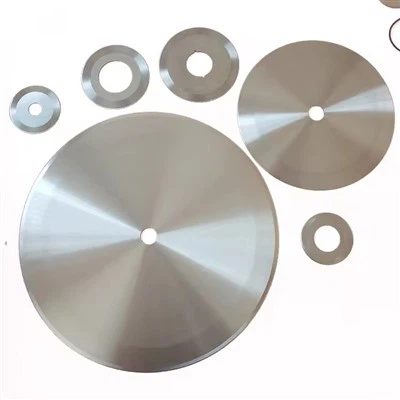
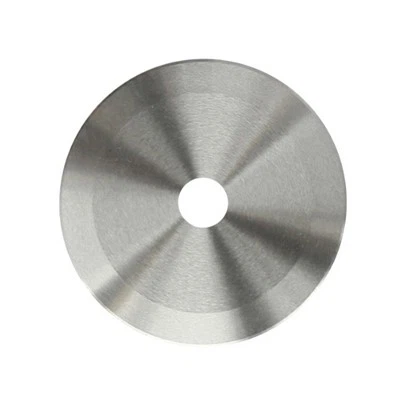
Circular blades are commonly used in commercial food slicers. They are circular in shape and rotate to make the cutting motion.
One of the main advantages of circular blades is their high - speed slicing capability. They can slice through large quantities of food quickly, making them ideal for busy kitchens, such as restaurants and delis. Circular blades can also be adjusted to cut different thicknesses of slices, providing flexibility in slicing various foods.
However, circular blades require more maintenance compared to other types of blades. They need to be sharpened regularly to ensure optimal performance and safety.
Specialty Blades
In addition to the above - mentioned common types of blades, there are also specialty blades designed for specific food slicing tasks.
For example, there are blades specifically designed for slicing sushi rolls. These blades are usually thin and sharp, allowing for precise cuts that preserve the shape and integrity of the sushi roll. Another example is the blade for slicing salami. These blades are often thicker and more durable to handle the tough texture of the cured meat.
As a food slicer blade supplier, we understand the importance of providing high - quality blades that meet the diverse needs of our customers. We also offer a range of related products, such as Mask Machine Blades, Medicine Bag Packaging Cutter, and Round Corner Cutting Knife For Medicine Bags, which are all crafted with precision and durability in mind.


When choosing a food slicer blade, several factors should be considered. Firstly, the type of food you will be slicing is crucial. Different foods require different blade types to achieve the best results. Secondly, the frequency of use and the volume of slicing also play a role. If you are a professional chef or run a commercial kitchen, you may need a more durable and high - performance blade.
In conclusion, the world of food slicer blades is diverse, with each type offering unique advantages for different slicing tasks. Whether you are a home cook looking for a reliable blade for your occasional slicing needs or a professional chef in a busy kitchen, there is a suitable food slicer blade out there for you.
If you are interested in purchasing high - quality food slicer blades or any of our related products, we invite you to contact us for a detailed discussion. Our team of experts is ready to assist you in finding the perfect blade for your specific requirements. Let's work together to enhance your slicing experience and achieve the best results in your culinary endeavors.
References
- "The Science of Kitchen Blades" by Kitchen Science Press
- "Food Slicer Manuals" from leading food slicer manufacturers