What are the effects of low - speed cutting on a charter machine blade?
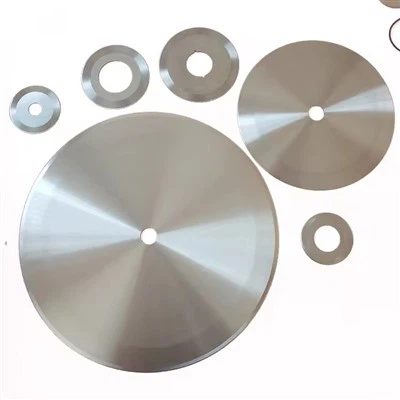
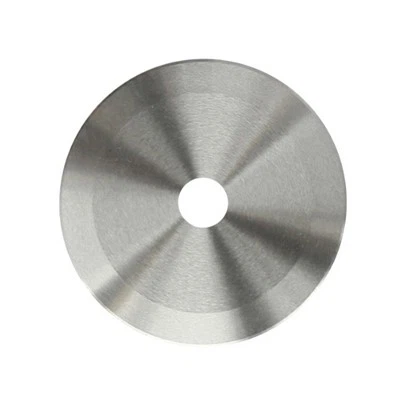
As a supplier of charter machine blades, I've witnessed firsthand the critical role that cutting speed plays in the performance and longevity of these essential tools. In this blog post, I'll delve into the effects of low - speed cutting on charter machine blades, exploring both the advantages and disadvantages to help you make informed decisions for your cutting operations.
Positive Effects of Low - Speed Cutting
1. Reduced Heat Generation
One of the most significant benefits of low - speed cutting is the reduced heat generated during the cutting process. When a blade cuts at high speeds, friction between the blade and the material being cut can cause a substantial increase in temperature. Excessive heat can lead to several problems, such as blade deformation, loss of hardness, and accelerated wear.
At low speeds, the friction is minimized, and less heat is produced. This helps to maintain the integrity of the blade's cutting edge, preserving its hardness and sharpness for longer periods. For example, when cutting hard materials like metals or thick plastics, low - speed cutting can prevent the blade from overheating, ensuring a more consistent and precise cut.
2. Improved Cutting Precision
Low - speed cutting allows for better control over the cutting process, which often results in improved precision. When the blade moves slowly through the material, operators have more time to make adjustments and ensure that the cut is straight and accurate. This is particularly important in applications where tight tolerances are required, such as in the manufacturing of precision parts or in the packaging industry.
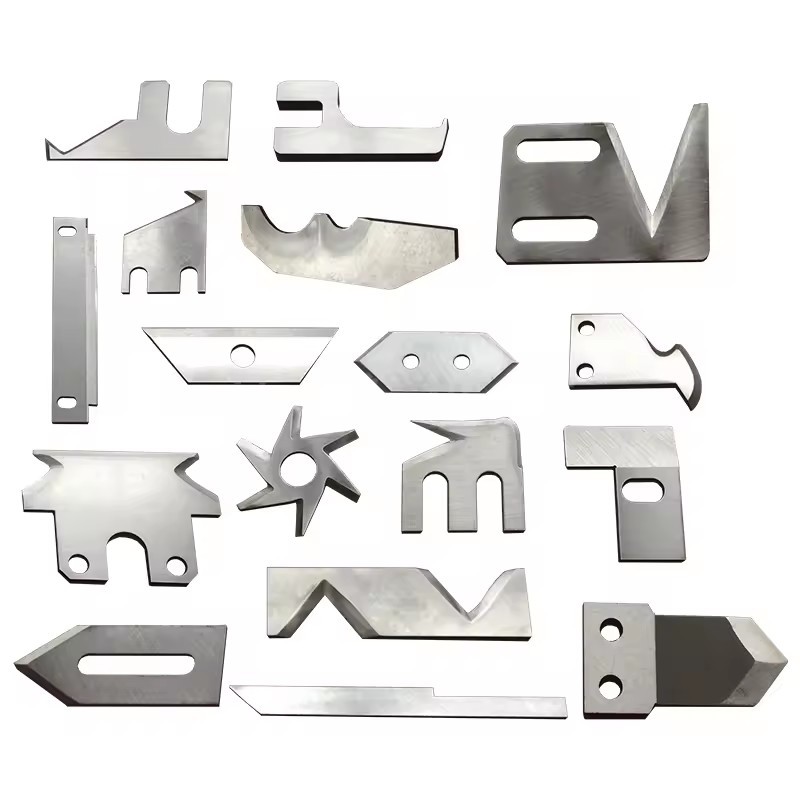
For instance, in the production of Filling Machine Tooth Cutting Blade, low - speed cutting can ensure that the teeth of the blade are cut to the exact specifications, providing a clean and efficient cutting performance.
3. Extended Blade Life
Since low - speed cutting reduces heat and stress on the blade, it can significantly extend the blade's lifespan. Blades that are subjected to high - speed cutting often experience rapid wear and tear, leading to frequent blade replacements. By cutting at a lower speed, the blade is less likely to experience chipping, cracking, or other forms of damage, which means it can be used for a longer period before needing to be replaced.
This not only saves on the cost of blade replacements but also reduces downtime associated with changing blades, increasing overall productivity.
Negative Effects of Low - Speed Cutting
1. Reduced Productivity
The most obvious drawback of low - speed cutting is the reduced productivity. When the blade cuts at a slower pace, it takes longer to complete each cut, which can slow down the entire production process. In industries where high - volume production is required, such as in mass - manufacturing or large - scale packaging operations, this can have a significant impact on the bottom line.
For example, if a packaging line is using Automatic Packaging Blade and switches to low - speed cutting, the number of packages that can be produced per hour will decrease, potentially leading to lost revenue.

2. Increased Material Compression
Low - speed cutting can sometimes cause increased material compression. As the blade moves slowly through the material, it may push and compress the material more than at higher speeds. This can be a problem, especially when cutting soft or delicate materials, as it can cause deformation or damage to the material.
In the case of V Type Packaging Machine Blades, which are often used to cut flexible packaging materials, excessive material compression during low - speed cutting can result in uneven cuts or damage to the packaging, affecting the quality of the final product.
3. Higher Risk of Blade Clogging
When cutting at low speeds, there is a higher risk of blade clogging. As the blade moves slowly, debris and chips from the material being cut may accumulate on the blade, preventing it from cutting effectively. This can lead to a decrease in cutting performance and may require frequent cleaning of the blade to maintain its functionality.
Finding the Right Balance
As a charter machine blade supplier, I understand that finding the right balance between cutting speed and the desired cutting results is crucial. In some applications, the benefits of low - speed cutting, such as improved precision and extended blade life, may outweigh the drawbacks of reduced productivity. In other cases, high - speed cutting may be necessary to meet production demands, even if it means sacrificing some blade longevity.
To determine the optimal cutting speed for your specific application, it's important to consider several factors, including the type of material being cut, the required precision, and the production volume. Conducting tests with different cutting speeds and monitoring the performance of the blade and the quality of the cuts can help you find the sweet spot.
Conclusion
Low - speed cutting has both positive and negative effects on charter machine blades. While it can reduce heat generation, improve cutting precision, and extend blade life, it can also lead to reduced productivity, increased material compression, and a higher risk of blade clogging. As a supplier, I'm committed to providing high - quality blades that can perform well under various cutting conditions.
If you're looking for the right charter machine blade for your application or need advice on the optimal cutting speed, I encourage you to reach out to me. We can discuss your specific requirements and work together to find the best solution for your cutting needs. Whether you're in the packaging industry, manufacturing, or any other field that requires precise cutting, I'm here to help you achieve the best results.
References
- Smith, J. (2018). Cutting Tool Technology. McGraw - Hill.
- Johnson, A. (2020). Advanced Manufacturing Processes. Wiley.
- Brown, C. (2019). Handbook of Material Cutting. Elsevier.