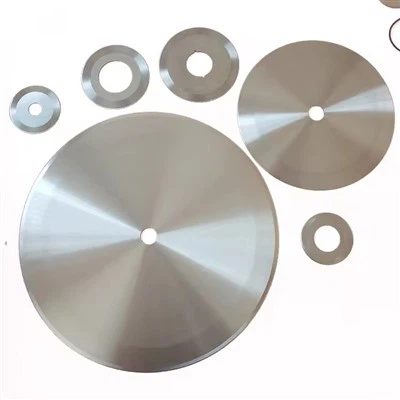
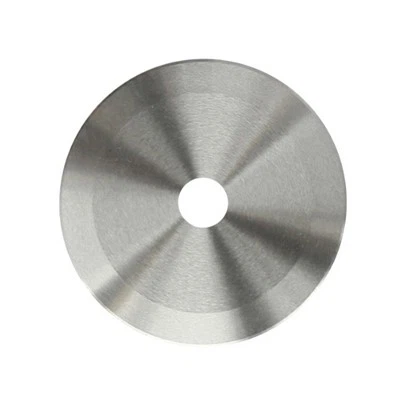
Hey there! As a supplier of charter machine blades, I've seen a lot of questions from customers about different aspects of these blades. One question that comes up quite often is: What are the effects of removing the coating from a charter machine blade? Well, let's dive right into it.
First off, we need to understand why these blades have coatings in the first place. Coatings on charter machine blades serve several important functions. They're like a shield for the blade, protecting it from wear and tear. The coating can reduce friction when the blade is in use. This means that the blade can cut through materials more smoothly, with less resistance. It also helps to prevent the blade from getting stuck or jammed in the material it's cutting, which can save a lot of time and hassle during the production process.
Another benefit of the coating is that it can enhance the blade's corrosion resistance. In many industrial environments, there are all sorts of chemicals and substances floating around that can cause the blade to rust or corrode. A good coating acts as a barrier, keeping these harmful substances away from the blade's surface and extending its lifespan.
Now, let's talk about what happens when you remove that coating. One of the most immediate effects is increased wear. Without the protective coating, the blade is directly exposed to the materials it's cutting. This means that the blade will start to wear down much faster. The edges of the blade will become dull more quickly, and you'll notice that it doesn't cut as cleanly as it used to. You might find yourself having to replace the blade more frequently, which can be a real pain in the neck and can also add up in terms of cost.
The lack of a coating also means that friction will increase. As I mentioned earlier, the coating helps to reduce friction. When it's gone, the blade has to work harder to cut through materials. This can lead to overheating of the blade. Overheating can cause the blade to warp or even break, which is a major problem. Not only will you have to replace the blade, but you might also damage the charter machine itself in the process.
Corrosion is another big issue. Once the coating is removed, the blade is vulnerable to rust and corrosion. This can happen even in relatively clean environments, but it's especially a problem in industrial settings where there are chemicals and moisture present. Corroded blades are not only less effective at cutting, but they can also contaminate the materials they're cutting. This is a huge no - no in industries where product purity is important, like the food or pharmaceutical industries.
In terms of the quality of the cut, removing the coating can have a negative impact. A coated blade can make clean, precise cuts. But when the coating is gone, the cuts may become jagged or uneven. This can be a problem if you're working on a project where precision is key. For example, if you're cutting packaging materials for a high - end product, a jagged cut can make the whole package look unprofessional.
Let's take a look at some specific types of charter machine blades and how removing the coating affects them. For Packaging Machine Blade, the coating helps in making smooth cuts through various packaging materials like cardboard, plastic films, and paper. When the coating is removed, the blade may tear the packaging materials instead of cutting them cleanly. This can lead to wasted materials and a decrease in the overall efficiency of the packaging process.
Carton Sealing Machine Blade also rely on the coating for optimal performance. These blades need to make precise cuts to seal cartons properly. Without the coating, the cuts may not be accurate, which can result in poorly sealed cartons. This can cause problems during shipping and storage, as the contents of the cartons may be at risk of damage.
Sealing Machine Blade are used in a variety of sealing applications. The coating helps to ensure that the blade can seal materials without leaving any rough edges or gaps. When the coating is removed, the sealing quality can deteriorate, and you may end up with products that are not properly sealed.
So, as you can see, removing the coating from a charter machine blade is not a good idea in most cases. However, there are some situations where you might consider it. For example, if you're using a blade in a very specific application where the coating is causing problems, like if it's reacting with the material you're cutting. But even in these cases, you need to be very careful and make sure you understand the potential consequences.
If you're in the market for charter machine blades, it's important to choose high - quality blades with a good coating. At our company, we offer a wide range of charter machine blades that are designed to provide long - lasting performance. Our blades are coated with the latest technology to ensure maximum protection and efficiency.


If you have any questions about our charter machine blades or if you're interested in purchasing them, don't hesitate to reach out. We're here to help you find the right blades for your specific needs. Whether you're a small business or a large industrial operation, we've got the blades that can get the job done.
In conclusion, the coating on charter machine blades is there for a reason. It provides protection, reduces friction, and helps to ensure a high - quality cut. Removing the coating can have a number of negative effects, including increased wear, overheating, corrosion, and poor cutting quality. So, think twice before you decide to remove that coating!
References
- Industrial Blade Technology Handbook
- Journal of Manufacturing Processes and Blade Performance