What are the heat - resistance properties of non - standard blades?
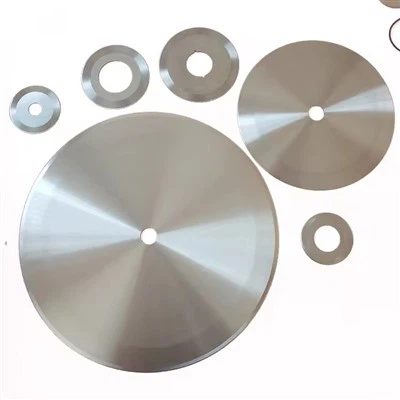
As a supplier of non - standard blades, I've witnessed firsthand the diverse applications and critical performance requirements these blades face. One of the most significant factors that can impact a blade's functionality is its heat - resistance properties. In this blog, we'll delve into the heat - resistance characteristics of non - standard blades, exploring why they matter and how they are achieved.
Why Heat Resistance Matters for Non - Standard Blades
Non - standard blades are designed for a wide range of specialized applications, from food processing to industrial cutting. In many of these applications, heat generation is inevitable. For instance, when a blade is used to cut through tough materials like metal or dense plastics, the friction between the blade and the material generates heat. If the blade does not have adequate heat resistance, several problems can occur.
First, excessive heat can cause the blade to lose its hardness. Blades are typically heat - treated to achieve a specific level of hardness, which is crucial for maintaining a sharp cutting edge. When the blade is exposed to high temperatures, the heat can alter the blade's microstructure, leading to a decrease in hardness. This results in a dull blade that requires frequent sharpening or replacement, increasing operational costs.
Second, heat can cause thermal expansion. Different parts of the blade may expand at different rates, leading to warping or distortion. A warped blade will not cut accurately, which can be a major issue in precision - cutting applications. For example, in the manufacturing of electronic components, even a slight deviation in the cutting path can render the component useless.
Finally, high temperatures can accelerate the oxidation and corrosion of the blade material. Oxidation can form a layer of rust or scale on the blade surface, which not only affects the blade's appearance but also its cutting performance. Corrosion can eat away at the blade material, weakening it and reducing its lifespan.
Factors Affecting the Heat - Resistance of Non - Standard Blades
Several factors contribute to the heat - resistance properties of non - standard blades.


Material Selection
The choice of material is perhaps the most critical factor. High - speed steel (HSS) is a popular choice for many non - standard blades due to its excellent heat resistance. HSS contains elements such as tungsten, molybdenum, chromium, and vanadium, which form hard carbides that can withstand high temperatures. For example, tungsten increases the red hardness of the steel, allowing it to maintain its hardness at elevated temperatures.
Another material option is carbide. Carbide blades are known for their extreme hardness and heat resistance. Tungsten carbide, in particular, has a high melting point and can retain its cutting edge even at very high temperatures. However, carbide blades are more brittle than HSS blades and may require more careful handling.
Stainless steel is also used in some non - standard blades, especially those where corrosion resistance is a concern. While stainless steel may not have the same level of heat resistance as HSS or carbide, it can still perform well in applications with moderate heat generation.
Heat Treatment
Heat treatment processes play a vital role in enhancing the heat - resistance of blades. Quenching and tempering are common heat - treatment methods. Quenching involves rapidly cooling the blade from a high temperature to harden the material. Tempering is then carried out at a lower temperature to relieve the internal stresses created during quenching and improve the blade's toughness.
Precision heat treatment can optimize the microstructure of the blade material, ensuring that it has the right balance of hardness and toughness. For example, a well - tempered HSS blade can have a fine - grained structure that resists heat - induced softening.
Coating
Coating the blade is another effective way to improve its heat resistance. Titanium nitride (TiN) is a commonly used coating. It has a high melting point and can act as a thermal barrier, reducing the amount of heat transferred to the blade substrate. TiN also provides a hard, wear - resistant surface that can protect the blade from abrasion.
Other coatings, such as titanium carbonitride (TiCN) and aluminum titanium nitride (AlTiN), offer even better heat - resistance properties. AlTiN, in particular, can withstand extremely high temperatures and is often used in high - speed cutting applications.
Heat - Resistance in Different Types of Non - Standard Blades
Let's take a look at how heat - resistance properties apply to some specific types of non - standard blades.
Meat Slicer Blade
In the food industry, meat slicer blades are used to cut through various types of meat. The friction generated during cutting can cause the blade to heat up, especially when slicing large quantities of meat. A heat - resistant meat slicer blade is essential to maintain a sharp cutting edge and prevent the meat from sticking to the blade. Stainless steel is a common material for meat slicer blades due to its corrosion resistance and moderate heat resistance. Some blades may also be coated with a non - stick material to further reduce friction and heat generation.
Toothed Blade
Toothed blades are used in a wide range of applications, from cutting wood to slicing through cardboard. In woodworking, for example, the high - speed rotation of the toothed blade against the wood can generate a significant amount of heat. HSS or carbide toothed blades are often preferred in these applications because of their excellent heat resistance. The teeth of the blade need to maintain their sharpness and shape, and heat - resistant materials ensure that they can do so even under high - stress cutting conditions.
Carton Sealing Machine Blade
Carton sealing machine blades are used to cut through cardboard and other packaging materials. Although the cutting forces may not be as high as in some industrial applications, the continuous operation of the machine can still cause the blade to heat up. A heat - resistant blade is necessary to ensure consistent cutting performance and a long service life. Stainless steel or HSS blades are commonly used for carton sealing machines, and they may be coated to enhance their heat - resistance and wear - resistance properties.
How We Ensure Heat - Resistance in Our Non - Standard Blades
As a non - standard blade supplier, we take several steps to ensure that our blades have excellent heat - resistance properties.
First, we carefully select the materials based on the specific application requirements. We work closely with our customers to understand their cutting needs, including the type of material to be cut, the cutting speed, and the expected operating temperature. This allows us to choose the most suitable material, whether it's HSS, carbide, or stainless steel.
Second, we have a state - of - the - art heat - treatment facility. Our heat - treatment processes are carefully controlled to ensure that the blades achieve the optimal balance of hardness and toughness. We use advanced monitoring systems to measure and adjust the temperature and cooling rates during quenching and tempering, ensuring consistent quality across all our blades.
Finally, we offer a variety of coating options. Our coating processes are designed to provide a uniform and durable coating that adheres well to the blade surface. We continuously research and develop new coating technologies to improve the heat - resistance and performance of our blades.
Conclusion
The heat - resistance properties of non - standard blades are crucial for their performance and longevity. By understanding the factors that affect heat resistance, such as material selection, heat treatment, and coating, we can manufacture blades that can withstand the challenges of various applications. Whether you need a Meat Slicer Blade, a Toothed Blade, or a Carton Sealing Machine Blade, we are committed to providing high - quality, heat - resistant blades that meet your specific needs.
If you are interested in our non - standard blades or have any questions about their heat - resistance properties, please feel free to contact us for procurement and further discussion. We look forward to serving you and helping you find the perfect blade solution for your application.
References
- Kalpakjian, S., & Schmid, S. R. (2008). Manufacturing Engineering and Technology. Pearson Prentice Hall.
- ASM Handbook Committee. (1990). ASM Handbook: Heat Treating. ASM International.
- Trout, G. E. (1995). Cutting Tool Engineering Handbook. Society of Manufacturing Engineers.