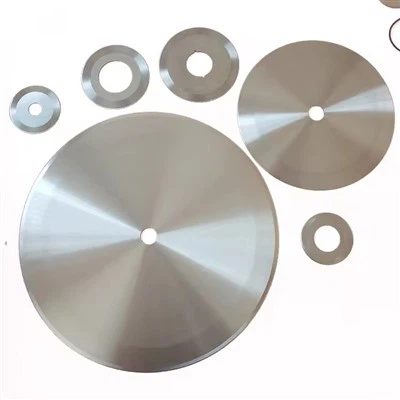
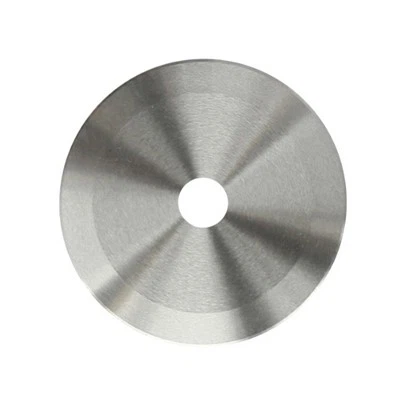
Hey there! As a food slicer blade supplier, I've seen my fair share of accidents. One of the scariest things that can happen in a kitchen or food processing setting is getting cut by a food slicer blade. It's a serious situation, but with the right first - aid measures, you can minimize the damage and get on the road to recovery. So, let's talk about what you should do if you or someone around you gets cut by a food slicer blade.
First and foremost, safety should always be your top priority. As soon as the accident happens, turn off the food slicer right away. You don't want the blade to keep moving and cause further injury. This might seem obvious, but in the heat of the moment, it's easy to forget. Once the slicer is off, make sure to unplug it to prevent any accidental starts.
Now, let's assess the wound. Take a good look at the cut. Is it a minor scrape or a deep, bleeding wound? Minor cuts can usually be treated at home, but deeper cuts may require immediate medical attention. If the cut is less than half an inch deep and the bleeding stops within 10 - 15 minutes, it's likely a minor one. But if the cut is deep, the bleeding is heavy and doesn't stop, or you can see tendons, muscles, or bones, it's a medical emergency. Call 911 or go to the nearest emergency room right away.
For minor cuts, the first step is to stop the bleeding. Apply direct pressure to the wound using a clean cloth or a sterile gauze pad. Keep the pressure steady for at least 10 - 15 minutes. Don't peek to see if the bleeding has stopped during this time, as it can disrupt the clotting process. If the cloth or gauze gets soaked with blood, don't remove it. Just add another layer on top and keep applying pressure.
Once the bleeding has stopped, clean the wound. Gently rinse the cut under cool running water to remove any dirt, debris, or food particles. Avoid using harsh soaps or antiseptics at this stage, as they can irritate the wound. Pat the area dry with a clean towel.
After cleaning, it's time to apply an antibiotic ointment. This helps prevent infection. You can find over - the - counter antibiotic ointments at your local pharmacy. Squeeze a small amount onto the wound and spread it evenly. Then, cover the wound with a sterile bandage or a dressing. Change the bandage daily to keep the wound clean.
If the cut is on a finger or a hand, try to keep it elevated above the heart level. This helps reduce swelling and pain. You can use a sling or just prop your hand up on a pillow.
Now, let's talk about pain management. For minor pain, you can take over - the - counter pain relievers like ibuprofen or acetaminophen. Follow the instructions on the label carefully. If the pain is severe or doesn't improve, seek medical advice.
As a food slicer blade supplier, I also want to mention that prevention is always better than cure. Make sure your food slicer is in good working condition. Check the blades regularly for any signs of damage or wear. Provide proper training to anyone who uses the slicer. They should know how to operate it safely and what to do in case of an accident.
In addition to food slicer blades, we also offer other high - quality blades like Mask Machine Blades, Semiconductor Punching Blade, and Crusher Blade. These blades are designed to meet the specific needs of different industries.

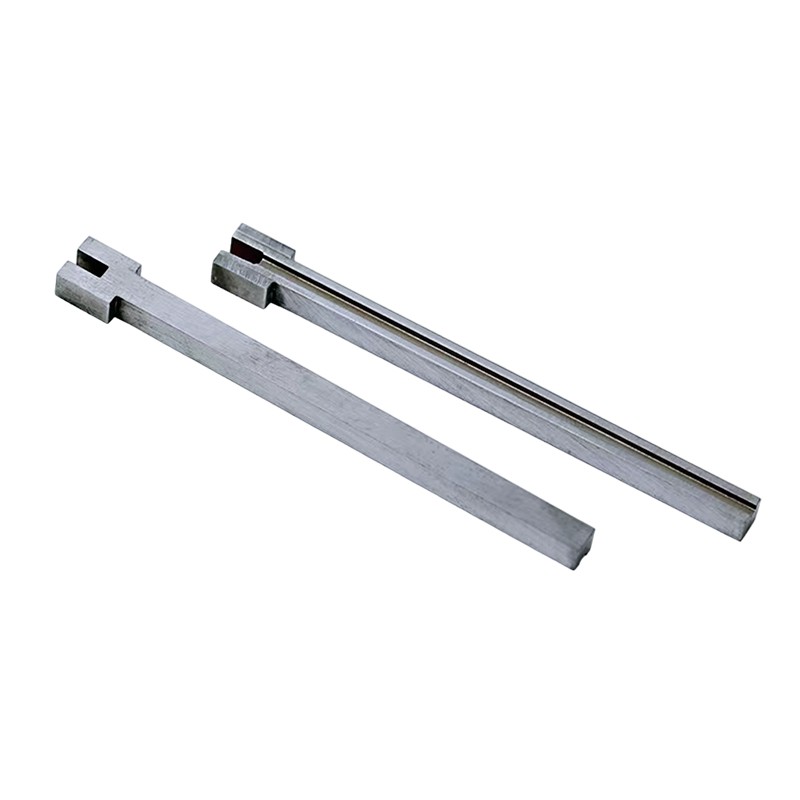
If you're in the market for food slicer blades or any of our other products, don't hesitate to reach out. We're here to help you find the right blades for your business. Whether you're a small restaurant or a large food processing plant, we've got you covered.
Remember, accidents can happen, but being prepared with the right first - aid knowledge can make a big difference. Stay safe in the kitchen, and if you have any questions about our products or first - aid in general, feel free to ask.
References
- American Red Cross First Aid Manual
- Mayo Clinic First Aid Guide