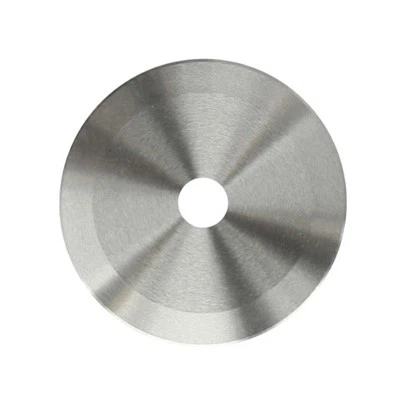
When it comes to the maintenance of food slicer blades, one crucial aspect that often gets overlooked is the choice of the storage container. As a long - standing food slicer blade supplier, I've seen firsthand the impact that improper storage can have on the quality and lifespan of these essential tools. In this blog, I'll explore the factors to consider when selecting the best storage container for a food slicer blade and recommend some suitable options.
Factors to Consider
Protection from Physical Damage
Food slicer blades are sharp and delicate. They can easily get chipped or bent if not stored properly. A good storage container should have enough padding or compartments to prevent the blade from coming into contact with hard surfaces or other objects. For example, a container with a soft foam lining can provide a cushioning effect, reducing the risk of damage during handling or transportation.

Resistance to Corrosion
Food slicer blades are often made of high - quality steel, which is prone to corrosion when exposed to moisture and air. The storage container should be able to create a barrier against these elements. Materials like plastic or stainless steel are good choices as they are resistant to rust and can keep the blade dry. If the container has a tight - fitting lid, it can further prevent moisture from seeping in.
Hygiene
Since food slicer blades come into direct contact with food, maintaining hygiene is of utmost importance. The storage container should be easy to clean to prevent the growth of bacteria and other microorganisms. Smooth - surfaced containers are generally easier to clean than those with rough or porous surfaces. Additionally, containers made from food - grade materials are preferred to ensure that they do not contaminate the blade.
Ease of Access
You don't want to struggle every time you need to retrieve or store the blade. A well - designed storage container should allow for easy access. This could mean having a simple opening mechanism or a layout that makes it easy to place and remove the blade without having to maneuver it in a complicated way.
Suitable Storage Container Options
Plastic Blade Cases
Plastic blade cases are a popular choice for storing food slicer blades. They are lightweight, affordable, and come in a variety of sizes and shapes. Many plastic cases have a foam interior that provides excellent protection against physical damage. They are also relatively easy to clean, usually just requiring a quick wipe with a damp cloth. Some plastic blade cases have a snap - on lid, which creates a tight seal to keep out moisture. These cases are also stackable, making them convenient for storage in a kitchen or a storage room. For more information on high - quality cutting tools like Woodworking Steel Planer Blade, you can visit our website.
Stainless Steel Blade Holders
Stainless steel blade holders offer a high level of durability and corrosion resistance. They are more expensive than plastic cases but are well worth the investment if you want to ensure long - term protection for your blade. Stainless steel is also a hygienic material, as it is non - porous and easy to clean. Many stainless steel blade holders have a sleek and professional appearance, which can be a plus if you are using them in a commercial kitchen setting. They often come with a locking mechanism to keep the blade securely in place. You can also explore our Laminating Machine Blade options on our website.
Wooden Blade Blocks
Wooden blade blocks are a classic choice for storing kitchen knives and slicer blades. They add a touch of elegance to the kitchen and can be a great decorative element. Wooden blocks usually have slots of different sizes to accommodate various types of blades. However, it's important to note that wood is a porous material, which means it can absorb moisture and harbor bacteria if not properly maintained. To ensure hygiene, it's recommended to clean the wooden block regularly and treat it with a food - safe oil to prevent drying and cracking. For heavy - duty cutting tools like Crusher Blade, we have a wide range of options available.
Comparison of Different Containers
Let's compare these three storage container options based on the factors we discussed earlier:
| Container Type | Protection from Physical Damage | Resistance to Corrosion | Hygiene | Ease of Access |
|---|---|---|---|---|
| Plastic Blade Cases | Good, with foam interior | Good, plastic is resistant | Good, easy to clean | Easy, snap - on lid |
| Stainless Steel Blade Holders | Excellent, sturdy construction | Excellent, stainless steel resists rust | Excellent, non - porous and easy to clean | Varies, depending on locking mechanism |
| Wooden Blade Blocks | Fair, slots provide some protection | Poor, wood can absorb moisture | Fair, needs regular maintenance | Easy, simple slot design |
Conclusion
Choosing the best storage container for a food slicer blade depends on your specific needs and preferences. If you are looking for an affordable and lightweight option with good protection, a plastic blade case might be the right choice. For those who prioritize durability and corrosion resistance, a stainless steel blade holder is a better option. And if you want to add a touch of style to your kitchen, a wooden blade block could be suitable, although it requires more maintenance.
As a food slicer blade supplier, I understand the importance of proper blade storage in maintaining the quality and performance of the blades. If you have any questions about food slicer blades or need advice on the best storage solutions, feel free to contact us for procurement and further discussions. We are committed to providing you with high - quality products and professional service.
References
- "Kitchen Knife Storage: Best Practices" by The Kitchen Institute.
- "Materials for Food - Contact Applications" by the Food Safety Council.
- "Blade Maintenance and Storage Guide" by the Cutting Tool Manufacturers Association.