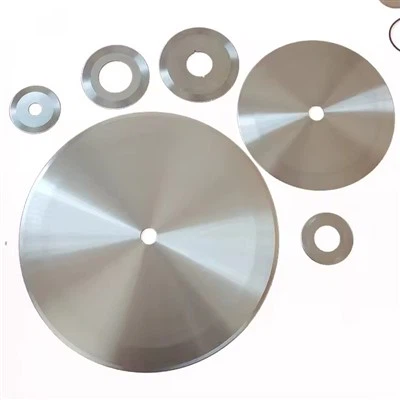
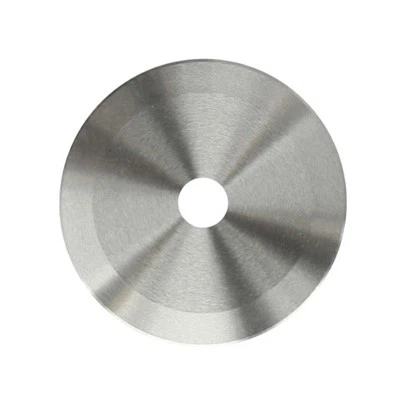
In the realm of packaging machinery, one of the most critical components that often goes unnoticed is the blade. The cutting angle of a packaging machine blade is a fundamental parameter that significantly influences its performance. As a leading supplier of packaging machine blades, I've witnessed firsthand how the right cutting angle can transform the efficiency and quality of packaging operations.
Understanding the Basics of Cutting Angles
The cutting angle of a blade is defined as the angle formed between the cutting edge and the material being cut. It plays a crucial role in determining how the blade interacts with the packaging material. A well - designed cutting angle ensures clean cuts, reduces wear on the blade, and minimizes the force required for cutting.
There are three main types of cutting angles: positive, negative, and neutral. A positive cutting angle means that the cutting edge slopes away from the direction of the cut. This type of angle is commonly used for soft materials such as thin plastics and papers. Positive cutting angles require less cutting force, which can lead to lower energy consumption and longer blade life. For example, when cutting thin plastic films for food packaging, a blade with a positive cutting angle can smoothly slice through the material without causing excessive stretching or tearing.
On the other hand, a negative cutting angle has the cutting edge sloping towards the direction of the cut. Negative cutting angles are typically used for harder materials like thick cardboard or metal foils. They provide greater strength and durability, allowing the blade to withstand the high forces required to cut through tough materials. When dealing with rigid packaging materials, a negative cutting angle ensures that the blade can penetrate the material effectively and make a clean cut.
A neutral cutting angle is a compromise between the two. It is often used for materials that have moderate hardness or for applications where a balance between cutting force and blade strength is required.
Factors Affecting the Choice of Cutting Angle
Several factors come into play when determining the appropriate cutting angle for a packaging machine blade.
Material Properties
The nature of the packaging material is the most significant factor. As mentioned earlier, soft materials like thin films and papers are better suited for positive cutting angles. Harder materials, such as thick cardboard, corrugated boxes, or metalized films, demand negative cutting angles. For instance, in the packaging of electronics, where the boxes are often made of thick and rigid cardboard, blades with negative cutting angles are essential to ensure precise and clean cuts.
Cutting Speed
The speed at which the blade operates also affects the choice of cutting angle. Higher cutting speeds generally require more robust cutting angles. At high speeds, the blade experiences greater forces and impacts. Negative or neutral cutting angles are more suitable for high - speed cutting applications as they can better withstand the stress. For example, in a high - volume packaging line where hundreds of packages are cut per minute, a blade with a negative cutting angle can maintain its cutting performance and durability.
Blade Design and Geometry
The overall design and geometry of the blade also influence the cutting angle. Different blade shapes, such as straight blades, circular blades, or serrated blades, may require different cutting angles to optimize their performance. For example, serrated blades are often used for cutting fibrous materials. The serrations can enhance the cutting ability, and the appropriate cutting angle needs to be selected based on the material and the specific design of the serrations.
Importance of the Right Cutting Angle in Packaging Operations
The correct cutting angle has a profound impact on the quality and efficiency of packaging operations.
Quality of Cuts
A well - chosen cutting angle ensures clean, precise cuts. This is crucial for maintaining the aesthetic appeal of the packaged products. For example, in the packaging of luxury goods, such as cosmetics or high - end electronics, clean cuts on the packaging boxes enhance the overall presentation of the product. A blade with an incorrect cutting angle may result in rough edges, jagged cuts, or tearing of the packaging material, which can significantly reduce the perceived value of the product.
Productivity
The right cutting angle can improve productivity by reducing the cutting force required. When the blade can cut through the material with less effort, the packaging machine can operate at a higher speed. This leads to increased output and shorter production cycles. In a large - scale packaging facility, even a small improvement in cutting efficiency can result in significant time and cost savings.
Blade Life
Selecting the appropriate cutting angle can extend the life of the blade. When the blade is subjected to excessive forces due to an incorrect cutting angle, it wears out more quickly. By choosing the right angle, the blade can maintain its sharpness for a longer period, reducing the frequency of blade replacements. This not only saves on the cost of blades but also reduces downtime for blade changes.
Our Range of Packaging Machine Blades
As a packaging machine blade supplier, we offer a wide range of blades with different cutting angles to meet the diverse needs of our customers.
Our V Type Packaging Machine Blades are designed with precision cutting angles to ensure optimal performance in V - type packaging applications. These blades are suitable for cutting various materials, including plastics, papers, and thin films. The carefully selected cutting angles allow for clean and efficient cuts, making them ideal for high - speed packaging lines.
Our Rubber Cutting Saw Blade is specifically designed for cutting rubber materials. The cutting angle of these blades is optimized to handle the unique properties of rubber, such as its elasticity and toughness. With the right cutting angle, these blades can make smooth and accurate cuts in rubber sheets or profiles.
The Dotted Paper Cutting Blade is another product in our portfolio. These blades are used for cutting dotted papers, which are commonly used in tear - off packaging applications. The cutting angle is designed to create clean dotted lines without tearing the paper, ensuring easy separation of the dotted sections.
Contact Us for Your Packaging Blade Needs
If you are in the market for high - quality packaging machine blades, we are here to help. Our team of experts can assist you in selecting the right blade with the appropriate cutting angle for your specific packaging application. Whether you are dealing with soft or hard materials, high - speed or low - speed operations, we have the solution.


Contact us today to discuss your requirements and explore how our packaging machine blades can enhance the performance of your packaging operations. We look forward to partnering with you to achieve the best results in your packaging processes.
References
- Smith, J. (2018). Blade Technology in Packaging Machinery. Packaging Industry Journal, 25(3), 45 - 52.
- Johnson, A. (2019). Factors Affecting Blade Performance in Packaging. Journal of Manufacturing and Packaging, 32(2), 67 - 74.
- Brown, C. (2020). Cutting Angle Optimization for Packaging Machine Blades. International Journal of Packaging Science and Technology, 15(4), 89 - 98.