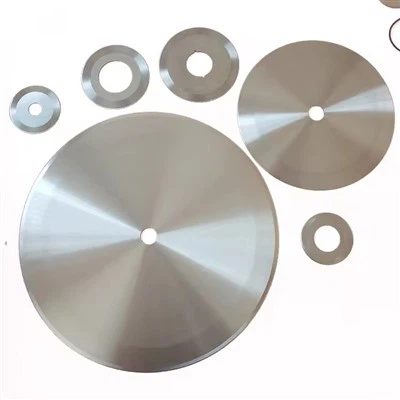
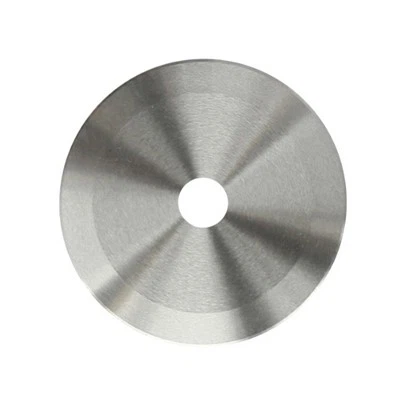
The cutting capacity of a round blade is a critical factor that determines its effectiveness and suitability for various applications. As a leading round blade supplier, I have witnessed firsthand the diverse requirements of different industries and the importance of understanding the cutting capacity of these blades. In this blog post, I will delve into the concept of cutting capacity, explore the factors that influence it, and discuss how it relates to the performance of round blades in different scenarios.
Understanding Cutting Capacity
Cutting capacity refers to the maximum thickness, hardness, and type of material that a round blade can effectively cut through. It is a measure of the blade's ability to withstand the forces exerted during the cutting process and maintain its sharpness and integrity. The cutting capacity of a round blade is influenced by several factors, including the blade's design, material composition, and the cutting conditions.
Factors Influencing Cutting Capacity
Blade Design
The design of a round blade plays a crucial role in determining its cutting capacity. Factors such as the blade's diameter, thickness, tooth geometry, and rake angle can all affect its ability to cut through different materials. For example, a larger diameter blade may be able to cut through thicker materials, while a blade with a more aggressive tooth geometry may be better suited for cutting harder materials.
Material Composition
The material used to manufacture the round blade also has a significant impact on its cutting capacity. Different materials have different properties, such as hardness, toughness, and wear resistance, which can affect the blade's performance. For example, high-speed steel (HSS) blades are known for their high hardness and wear resistance, making them suitable for cutting a wide range of materials, including metals, plastics, and composites. Carbide blades, on the other hand, are even harder and more wear-resistant than HSS blades, making them ideal for cutting extremely hard materials, such as ceramics and glass.
Cutting Conditions
The cutting conditions, such as the cutting speed, feed rate, and cutting force, can also affect the cutting capacity of a round blade. For example, cutting at a higher speed may increase the blade's cutting capacity, but it can also increase the wear on the blade. Similarly, applying too much cutting force can cause the blade to break or become dull more quickly. Therefore, it is important to optimize the cutting conditions to ensure that the blade operates within its cutting capacity and achieves the best possible cutting results.
Applications and Cutting Capacity
The cutting capacity of a round blade is directly related to its intended application. Different industries have different requirements for cutting capacity, depending on the type of material they need to cut and the thickness of the material. Here are some examples of how cutting capacity is important in different applications:
Paper and Packaging Industry
In the paper and packaging industry, round blades are used to cut paper, cardboard, and other packaging materials. The cutting capacity of these blades is typically measured in terms of the maximum thickness of the material they can cut. For example, a round blade with a cutting capacity of 10 mm can cut through paper and cardboard up to 10 mm thick. Round Paper Cutting Blade are designed to provide clean and precise cuts, ensuring that the packaging materials are cut to the correct size and shape.
Rubber and Plastic Industry
In the rubber and plastic industry, round blades are used to cut rubber sheets, plastic films, and other elastomeric materials. The cutting capacity of these blades is determined by the hardness and thickness of the material. For example, a round blade with a high cutting capacity may be able to cut through thick rubber sheets or hard plastic materials. Rubber Cutting Blade are designed to withstand the high friction and wear associated with cutting rubber and plastic materials, ensuring a long service life and consistent cutting performance.
Metalworking Industry
In the metalworking industry, round blades are used to cut metal sheets, bars, and tubes. The cutting capacity of these blades is determined by the type of metal, its hardness, and the thickness of the material. For example, a round blade with a high cutting capacity may be able to cut through thick steel sheets or hard aluminum alloys. Metal cutting blades are typically made from high-speed steel or carbide to ensure high hardness and wear resistance.
Assessing Cutting Capacity
As a round blade supplier, it is important to be able to assess the cutting capacity of our blades accurately. This involves considering the factors mentioned above, as well as conducting tests and trials to determine the blade's performance under different conditions. Here are some steps we take to assess the cutting capacity of our round blades:
Material Testing
We start by testing the materials that the blade will be used to cut. This involves analyzing the material's hardness, thickness, and other properties to determine the appropriate blade design and material composition.
Blade Design Optimization
Based on the material testing results, we optimize the blade's design to ensure that it has the best possible cutting capacity. This may involve adjusting the blade's diameter, thickness, tooth geometry, and rake angle.


Cutting Tests
We conduct cutting tests using the optimized blade design to evaluate its performance. These tests are carried out under different cutting conditions, such as different cutting speeds, feed rates, and cutting forces, to determine the blade's maximum cutting capacity.
Quality Control
Finally, we implement a strict quality control process to ensure that all our round blades meet the required cutting capacity standards. This involves inspecting the blades for defects, measuring their dimensions, and testing their performance.
Conclusion
The cutting capacity of a round blade is a crucial factor that determines its effectiveness and suitability for various applications. As a round blade supplier, we understand the importance of providing our customers with blades that have the right cutting capacity for their specific needs. By considering the factors that influence cutting capacity, such as blade design, material composition, and cutting conditions, we are able to optimize our blade designs and ensure that our blades deliver the best possible cutting performance.
If you are in need of round blades for your specific application, we invite you to contact us for a consultation. Our team of experts will be happy to help you select the right blades based on your cutting requirements and provide you with the best possible solutions. Whether you need Round Paper Cutting Blade or Rubber Cutting Blade, we have the expertise and experience to meet your needs.
References
- Smith, J. (2018). Cutting Tool Technology. McGraw-Hill Education.
- Brown, A. (2019). Handbook of Machining with Cutting Tools. CRC Press.
- Johnson, R. (2020). Advanced Cutting Tool Materials and Applications. Elsevier.