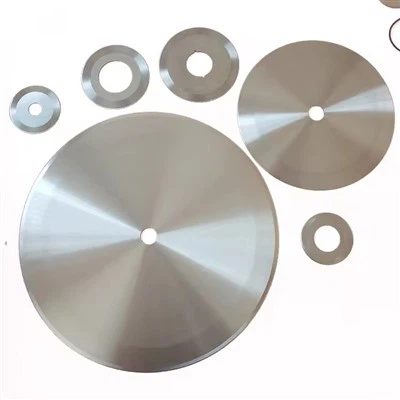
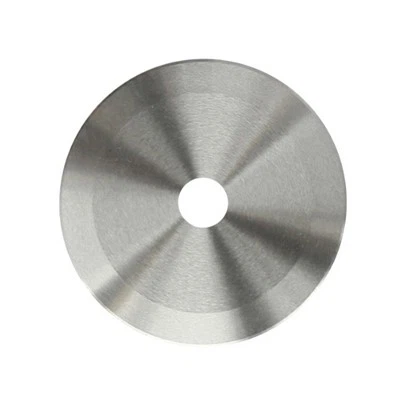
As a seasoned supplier of round blades, I often get asked about the diameter range of common round blades. This topic is crucial for anyone involved in industries that rely on these blades, such as packaging, rubber processing, and metal slitting. In this blog post, I'll delve into the typical diameter ranges of various round blades, their applications, and how to choose the right one for your specific needs.
Understanding the Basics of Round Blades
Round blades come in a wide array of sizes, materials, and designs, each tailored to specific cutting tasks. The diameter of a round blade is a critical factor that influences its cutting performance, efficiency, and compatibility with different machinery. Generally, the diameter of a round blade can range from a few millimeters to several meters, depending on the application.
Diameter Range of Common Round Blades
Small - Diameter Round Blades (1 - 50 mm)
Small - diameter round blades are commonly used in precision cutting applications. For instance, in the electronics industry, these blades are used to cut delicate components like circuit boards and thin films. Their small size allows for precise and intricate cuts, minimizing damage to the surrounding material.
In the medical field, small - diameter round blades are used in surgical instruments. They can make clean and accurate incisions, which is essential for minimizing patient trauma. These blades are often made from high - quality stainless steel or titanium to ensure sharpness and corrosion resistance.
Medium - Diameter Round Blades (50 - 300 mm)
Medium - diameter round blades are the workhorses of many industries. In the packaging industry, Round Packaging Machinery Blade with diameters in this range are used to cut various packaging materials, such as cardboard, paper, and plastic films. They can handle high - volume production and provide consistent cutting quality.
In the rubber processing industry, Rubber Cutting Blade in the medium - diameter range are used to cut rubber sheets, gaskets, and seals. These blades need to be sharp and durable to withstand the abrasive nature of rubber. They are often made from high - speed steel or carbide for better performance.
Large - Diameter Round Blades (300 mm and above)
Large - diameter round blades are typically used in heavy - duty applications. In the metal slitting industry, Circular Slitter Blades with large diameters are used to cut wide metal coils into narrower strips. These blades need to have high strength and rigidity to handle the large cutting forces involved.
In the woodworking industry, large - diameter saw blades are used for cutting large pieces of wood. They can make quick and efficient cuts, but proper maintenance is required to ensure their longevity. These blades are usually made from alloy steel or diamond - tipped materials for enhanced cutting performance.


Factors Affecting the Choice of Blade Diameter
Cutting Material
The type of material you are cutting plays a significant role in determining the appropriate blade diameter. For soft materials like rubber and paper, a smaller or medium - diameter blade may be sufficient. However, for hard materials like metal and thick wood, a larger - diameter blade with more cutting power is often required.
Cutting Speed
The cutting speed also affects the choice of blade diameter. Higher cutting speeds may require a smaller - diameter blade to maintain stability and prevent blade deflection. On the other hand, slower cutting speeds can accommodate larger - diameter blades for more efficient material removal.
Machine Compatibility
The blade diameter must be compatible with the machinery you are using. Each machine has specific requirements for blade size, and using an incompatible blade can lead to poor cutting performance, increased wear and tear on the machine, and even safety hazards.
How to Select the Right Round Blade for Your Application
Evaluate Your Cutting Needs
Start by clearly defining your cutting requirements. Consider the type of material, the thickness of the material, the desired cutting speed, and the precision of the cut. This will help you narrow down the suitable blade diameters and types.
Consult with a Professional
As a round blade supplier, I have extensive experience in helping customers choose the right blades. Don't hesitate to reach out to me or other industry experts for advice. We can provide you with valuable insights based on your specific application and budget.
Consider Quality and Cost
While it may be tempting to choose the cheapest blade available, quality should not be compromised. High - quality blades may cost more upfront but can save you money in the long run by providing better cutting performance and longer service life.
Conclusion
The diameter range of common round blades varies widely, from small - diameter blades for precision cutting to large - diameter blades for heavy - duty applications. Understanding the different diameter ranges and their applications is crucial for selecting the right blade for your specific needs. By considering factors such as cutting material, cutting speed, and machine compatibility, you can ensure optimal cutting performance and efficiency.
If you are in the market for round blades or need more information about blade selection, I encourage you to contact me. I'd be more than happy to assist you in finding the perfect round blade for your application. Let's work together to enhance your cutting operations and achieve better results.
References
- "Cutting Tool Engineering Handbook"
- Industry reports on packaging, rubber processing, and metal slitting industries
- Technical literature from blade manufacturers