The lifespan of a knife mold is a crucial factor that both knife mold suppliers and users are deeply concerned about. As a knife mold supplier, I've witnessed firsthand the various elements that can influence how long a knife mold lasts. In this blog, I'll delve into the details of what determines the lifespan of a knife mold, share some insights on how to extend it, and introduce you to some of our popular knife mold products.
Factors Affecting the Lifespan of a Knife Mold
Material Quality
The material used to make the knife mold is the cornerstone of its lifespan. High - quality steel alloys are often the top choice for knife molds. These materials possess excellent hardness, toughness, and wear - resistance. For instance, some advanced steel alloys can withstand high - pressure cutting operations without significant deformation or wear. In contrast, lower - quality materials may start to show signs of wear after only a few hundred cutting cycles. As a supplier, we source the best materials from reliable manufacturers to ensure the durability of our knife molds.
Cutting Conditions
The conditions under which the knife mold operates play a significant role in its lifespan. The type of material being cut is a major factor. Cutting soft materials like foam or thin plastics is less strenuous on the knife mold compared to cutting hard materials such as thick leather or dense cardboard. High - speed cutting operations can also generate more heat and friction, which can accelerate the wear of the knife mold. Additionally, the frequency of use matters. A knife mold that is used continuously for long hours will generally have a shorter lifespan than one that is used intermittently.
Maintenance and Care
Proper maintenance and care can significantly extend the lifespan of a knife mold. Regular cleaning is essential to remove debris and residues that can accumulate on the cutting edge. Lubrication can also reduce friction and wear. For example, applying a suitable lubricant to the knife edge before each use can prevent premature dulling. Inspection is another important aspect. Checking the knife mold for any signs of damage, such as chips or cracks, and addressing them promptly can prevent further deterioration.
Estimating the Lifespan of Different Knife Molds
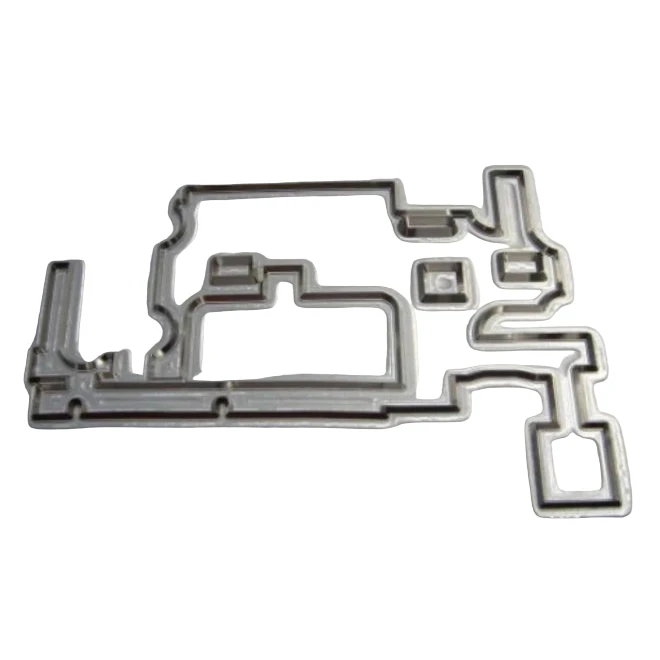
CNC Machining Die
The CNC Machining Die is known for its high precision and efficiency. These knife molds are often used in industries that require accurate and complex cutting shapes. On average, a well - maintained CNC Machining Die can last anywhere from 10,000 to 50,000 cutting cycles, depending on the factors mentioned above. If the die is used to cut relatively soft materials and is properly maintained, it can reach the upper end of this range. However, if it is used for high - volume cutting of hard materials, the lifespan may be closer to the lower end.

Leather Cutting Die
Leather Cutting Die is designed specifically for the leather industry. Leather is a relatively tough material, and the cutting process can be quite demanding on the knife mold. A typical leather cutting die can last between 5,000 and 20,000 cutting cycles. The lifespan can be affected by the thickness and quality of the leather being cut. Thicker and more fibrous leathers will cause more wear on the die.
Packaging Box Knife Mold
Packaging Box Knife Mold is widely used in the packaging industry. These knife molds are often used to cut cardboard, paperboard, and other packaging materials. The lifespan of a packaging box knife mold can range from 8,000 to 30,000 cutting cycles. The type of packaging material and the cutting frequency are the main factors that determine how long the knife mold will last.
Extending the Lifespan of Knife Molds
Optimal Design
An optimal design can reduce stress on the knife mold during the cutting process. For example, using a proper blade geometry can ensure a more even distribution of cutting forces, which can prevent premature wear. Our design team works closely with clients to understand their specific cutting requirements and develop knife molds with the most suitable designs.
Advanced Manufacturing Techniques
We use advanced manufacturing techniques to produce knife molds with high precision and quality. For instance, CNC machining allows us to create knife molds with extremely accurate dimensions and smooth cutting edges. This not only improves the cutting performance but also enhances the durability of the knife mold.
Training and Support
We provide training and support to our clients on how to use and maintain the knife molds properly. This includes guidance on cleaning, lubrication, and inspection procedures. By ensuring that our clients have the knowledge and skills to take care of the knife molds, we can help them extend the lifespan of the products.
Conclusion
In conclusion, the lifespan of a knife mold is influenced by multiple factors, including material quality, cutting conditions, and maintenance. As a knife mold supplier, we are committed to providing high - quality knife molds that offer a long lifespan. Our CNC Machining Die, Leather Cutting Die, and Packaging Box Knife Mold are designed and manufactured to meet the diverse needs of our clients.
If you are interested in our knife mold products or have any questions about their lifespan and performance, please feel free to contact us for further discussion and potential procurement. We look forward to working with you to find the best knife mold solutions for your business.
References
- "Handbook of Cutting Tools" by John A. Schey
- "Manufacturing Engineering and Technology" by S. Kalpakjian and S. R. Schmid