The lifespan of a packaging box knife mold is a crucial consideration for businesses in the packaging industry. As a supplier of packaging box knife molds, I've witnessed firsthand the impact that mold lifespan can have on production efficiency, cost - effectiveness, and overall product quality. In this blog, I'll delve into the factors that determine the lifespan of a packaging box knife mold and offer insights on how to maximize it.
Understanding the Basics of Packaging Box Knife Molds
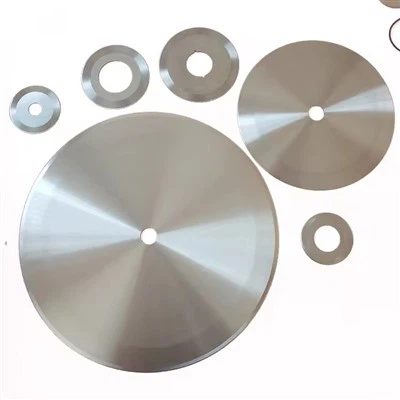
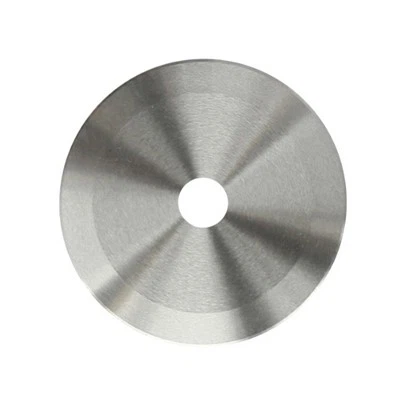
Before we discuss the lifespan, it's important to understand what a packaging box knife mold is. A Packaging Box Knife Mold is a precision tool used to cut and score cardboard, paperboard, and other materials to create packaging boxes. These molds are typically made from high - carbon steel or other durable alloys and are designed to withstand the rigors of high - volume production.
Factors Affecting the Lifespan of a Packaging Box Knife Mold
1. Material Quality
The quality of the material used to make the knife mold is perhaps the most significant factor in determining its lifespan. High - grade steels with excellent hardness, toughness, and wear resistance will generally last longer than lower - quality materials. For example, a mold made from a premium high - carbon steel alloy can withstand more cutting cycles before it starts to show signs of wear and tear compared to a mold made from a cheaper, lower - grade steel.
2. Cutting Material
The type of material being cut also has a major impact on the lifespan of the knife mold. Cutting through thick, abrasive materials such as corrugated cardboard or heavy - duty paperboard will put more stress on the mold than cutting thinner, less abrasive materials. For instance, if a mold is used to cut a particularly rough - textured cardboard, the blades may dull more quickly, reducing the overall lifespan of the mold.
3. Cutting Frequency and Volume
The frequency and volume of cutting operations play a crucial role in determining how long a knife mold will last. In a high - volume production environment where the mold is in constant use, it will experience more wear and tear compared to a mold used in a low - volume setting. For example, a packaging factory that runs 24/7 and cuts thousands of boxes per day will need to replace its knife molds more frequently than a small - scale operation that only cuts a few hundred boxes a week.
4. Maintenance and Care
Proper maintenance and care can significantly extend the lifespan of a packaging box knife mold. Regular cleaning, sharpening, and lubrication of the mold can prevent the build - up of debris and reduce friction, which in turn reduces wear on the blades. For example, if a mold is not cleaned regularly, dust and debris can accumulate on the blades, causing them to dull more quickly.
5. Design and Manufacturing Quality
The design and manufacturing quality of the knife mold also affect its lifespan. A well - designed mold with precise blade angles and proper alignment will cut more efficiently and experience less stress during operation. High - quality manufacturing processes ensure that the mold is made to exact specifications, which can improve its durability. For instance, a mold with poorly machined blades may not cut cleanly, leading to premature wear.
Average Lifespan of a Packaging Box Knife Mold
It's difficult to provide an exact figure for the lifespan of a packaging box knife mold because it depends on the factors mentioned above. However, on average, a well - maintained knife mold used in a moderate - volume production environment can last anywhere from several thousand to tens of thousands of cutting cycles. In some cases, with excellent material quality, proper maintenance, and suitable cutting conditions, a mold can last for even longer.
Extending the Lifespan of Your Packaging Box Knife Mold
1. Select the Right Material
When choosing a knife mold, opt for high - quality materials that are suitable for your specific cutting needs. Consult with your supplier to determine the best material for your application. For example, if you're cutting thick, abrasive cardboard, a mold made from a more wear - resistant steel alloy may be a better choice.
2. Optimize Cutting Conditions
Try to optimize the cutting conditions to reduce stress on the mold. This may include adjusting the cutting pressure, speed, and blade clearance. For example, using the correct cutting pressure can prevent the blades from being over - stressed, which can lead to premature wear.
3. Implement a Maintenance Schedule
Establish a regular maintenance schedule for your knife molds. This should include cleaning, sharpening, and lubrication at appropriate intervals. Keep detailed records of maintenance activities to track the performance of the molds over time. For example, you can record the number of cutting cycles between sharpenings to determine the optimal maintenance frequency.
4. Train Your Staff
Ensure that your staff is properly trained in the use and maintenance of the knife molds. Improper handling can cause unnecessary damage to the molds. For example, if an operator uses too much force when loading or unloading the mold, it can cause the blades to bend or break.
Other Types of Knife Molds and Their Lifespans
In addition to packaging box knife molds, there are other types of knife molds such as Leather Cutting Die and CNC Machining Die. The lifespan of these molds also depends on similar factors as packaging box knife molds. Leather cutting dies, for example, are subject to wear based on the type of leather being cut, the frequency of use, and the quality of the die material. CNC machining dies, on the other hand, are used in more precise and often high - tech applications, and their lifespan can be affected by the complexity of the machining operations and the quality of the machining process.
Conclusion
The lifespan of a packaging box knife mold is influenced by a variety of factors, including material quality, cutting material, cutting frequency, maintenance, and design. By understanding these factors and taking appropriate measures to extend the lifespan of your molds, you can improve production efficiency, reduce costs, and ensure consistent product quality.
If you're in the market for high - quality packaging box knife molds or need advice on extending the lifespan of your existing molds, I encourage you to reach out to us. We have a wide range of knife molds to suit different applications and can provide expert guidance on mold selection, maintenance, and optimization. Don't hesitate to contact us for more information and to start a procurement discussion.


References
- "Handbook of Tool and Manufacturing Engineering Knowledge", 4th Edition, Society of Manufacturing Engineers
- "Materials Science and Engineering: An Introduction", 9th Edition, William D. Callister, Jr. and David G. Rethwisch